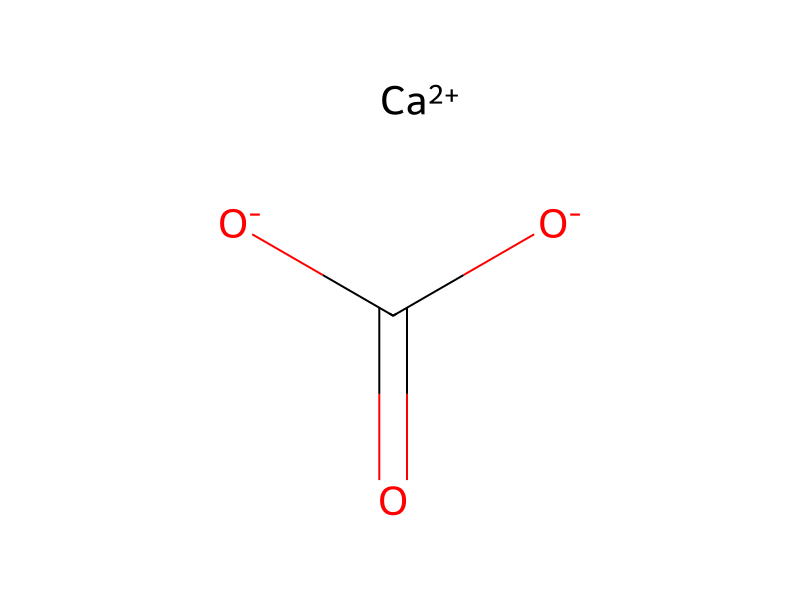
[CH3:1][N:2]([CH3:17])[CH2:3][CH2:4][N:5]1[C:9]2[CH:10]=[CH:11][C:12]([O:14][CH3:15])=[CH:13][C:8]=2[NH:7][C:6]1=[O:16].C(=O)([O-])[O-].[Ca+2].[Br-:23].[Br-].[Br-].C([N+](C)(C)C)C1C=CC=CC=1.C([N+](C)(C)C)C1C=CC=CC=1.C([N+](C)(C)C)C1C=CC=CC=1>CO.ClCCl>[Br:23][C:11]1[C:12]([O:14][CH3:15])=[CH:13][C:8]2[NH:7][C:6](=[O:16])[N:5]([CH2:4][CH2:3][N:2]([CH3:1])[CH3:17])[C:9]=2[CH:10]=1To a solution of 1,3-dihydro-1-(2-dimethylaminoethyl)-5-methoxy-2H-benzimidazol-2-one (0.28 g) in methanol (10 ml) and dichloromethane (15 ml) were added calcium carbonate (0.25 g) and benzyltrimethylammonium tribromide (0.49 g). The reaction mixture was stirred at room temperature for 16 hours and the insoluble matter was filtered off. The solvent was then distilled off under reduced pressure and the residue was diluted with 1N aqueous sodium hydroxide solution and extracted with ethyl acetate. The organic layer was washed with saturated aqueous sodium chloride solution and dried over anhydrous sodium sulfate. The solvent was then distilled off under reduced pressure and the residue was purified by silica gel chromatography (eluent: chloroform:methanol=10:1) to give 0.35 g of 6-bromo-1,3-dihydro-1-(2-dimethylaminoethyl)-5-methoxy-2H-benzimidazol-2-one.