Hydrochloric Acid → Phenyl 4-cyano-2-hydroxybenzoate
HRID 379019
Reaktionsgleichung

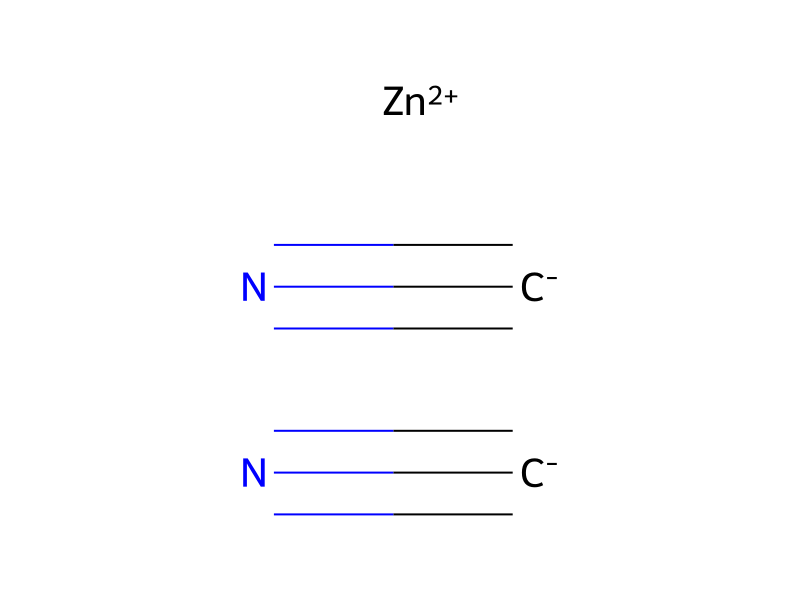
[OH:1][C:2]1[CH:16]=[C:15](I)[CH:14]=[CH:13][C:3]=1[C:4]([O:6][C:7]1[CH:12]=[CH:11][CH:10]=[CH:9][CH:8]=1)=[O:5].Cl.[CH3:19][N:20](C=O)C>[C-]#N.[C-]#N.[Zn+2].C1C=CC([P]([Pd]([P](C2C=CC=CC=2)(C2C=CC=CC=2)C2C=CC=CC=2)([P](C2C=CC=CC=2)(C2C=CC=CC=2)C2C=CC=CC=2)[P](C2C=CC=CC=2)(C2C=CC=CC=2)C2C=CC=CC=2)(C2C=CC=CC=2)C2C=CC=CC=2)=CC=1>[C:19]([C:15]1[CH:14]=[CH:13][C:3]([C:4]([O:6][C:7]2[CH:12]=[CH:11][CH:10]=[CH:9][CH:8]=2)=[O:5])=[C:2]([OH:1])[CH:16]=1)#[N:20]Komponenten
6