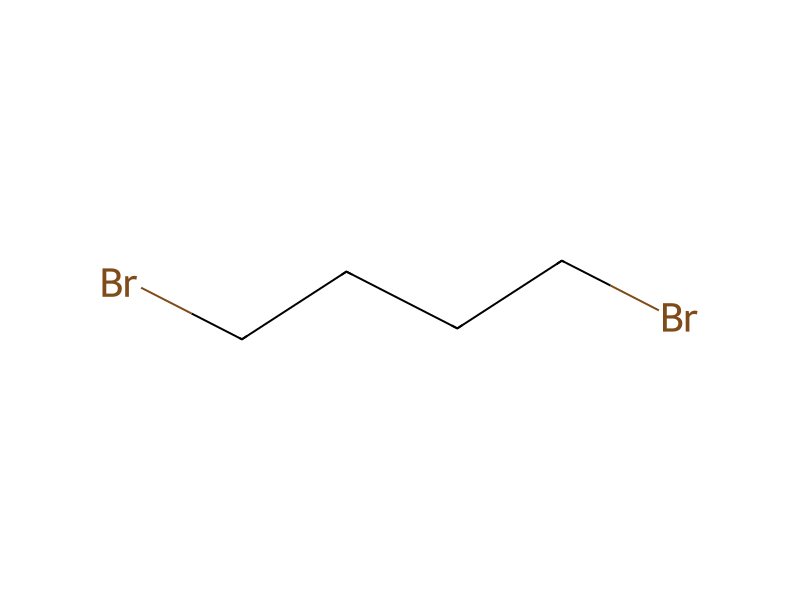
[Mg].Br[CH2:3][CH2:4][CH2:5][CH2:6]Br.[CH2:8]([O:15][C:16]1[CH:21]=[CH:20][C:19]([CH2:22][CH2:23][C:24]([O:26]CC)=O)=[CH:18][CH:17]=1)[C:9]1[CH:14]=[CH:13][CH:12]=[CH:11][CH:10]=1.Cl>C1COCC1>[CH2:8]([O:15][C:16]1[CH:17]=[CH:18][C:19]([CH2:22][CH2:23][C:24]2([OH:26])[CH2:6][CH2:5][CH2:4][CH2:3]2)=[CH:20][CH:21]=1)[C:9]1[CH:10]=[CH:11][CH:12]=[CH:13][CH:14]=1To a mixture of magnesium (120 mg) and THF (1.5 mL) was added 1,4-dibromobutane (0.2 mL) at room temperature under nitrogen flow, followed by stirring for 1 hour. The reaction solution was ice-cooled, and a solution of ethyl 3-[4-(benzyloxy)phenyl]propanoate (400 mg) in THF (3 mL) was added dropwise thereto while maintaining an internal temperature of 10° C. or less. The reaction mixture was stirred under ice-cooling for 3 hours, and allowed to stand overnight at room temperature. The reaction liquid was ice-cooled and was adjusted to an acidic pH by adding 1M hydrochloric acid, followed by extraction with ethyl acetate. The organic layer was dried over anhydrous magnesium sulfate, and the solvent was evaporated under reduced pressure. The residue was purified by silica gel column chromatography (eluent: hexane/ethyl acetate=20/3-1/1) to obtain 1-{2-[4-(benzyloxy)phenyl]ethyl}cyclopentanol (145 mg).