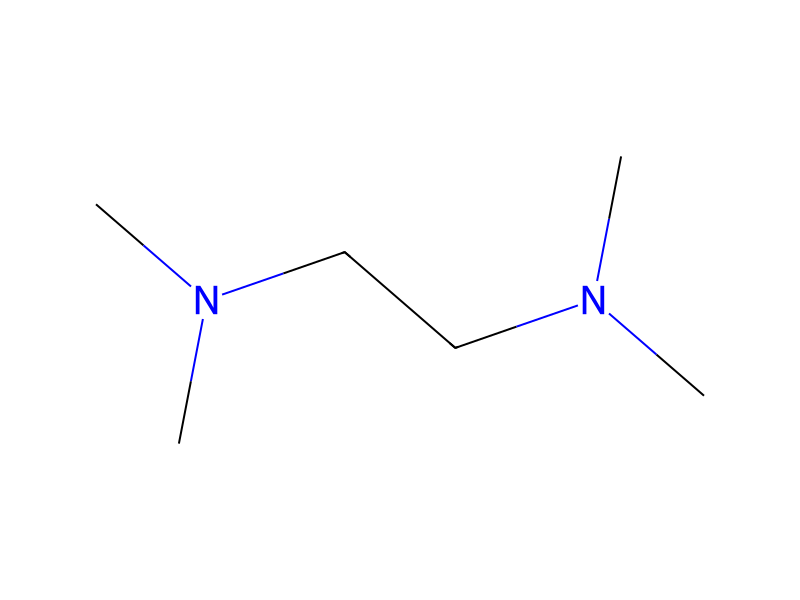
6.35 ml of tetramethylethylenediamine are added to a solution of 5.54 g of 1-bromo-2,4-bis(methoxy-methoxy)benzene in 80 ml of tetrahydrofuran. The mixture is cooled to −70° C. and 16.8 ml of 2.5M n-butyllithium in hexane are added. The reaction medium is stirred at −70° C. for 1 hour and 2.79 g of tetrahydrothiopyran-4-one in solution in 30 ml of tetrahydrofuran are added. The reaction medium is stirred at −70° C. for 1 hour and then left at ambient temperature overnight. 50 ml of 2M hydrochloric acid are added and the reaction medium is vigorously stirred for 15 minutes and then extracted with ethyl acetate. The organic phases are combined, washed with a saturated solution of sodium chloride, dried over magnesium sulphate and evaporated. The residue is chromatographed on silica gel, elution being carried out with a 75/25 mixture of heptane/ethyl acetate.