Reaktionsgleichung

N[C:2]1[C:15]2[C:14](=[O:16])[C:13]3[C:8](=[CH:9][CH:10]=[CH:11][CH:12]=3)[C:7](=[O:17])[C:6]=2[C:5](O)=[CH:4][C:3]=1Cl.CN1CCN(C)C1=O.C(=O)([O-])[O-].[K+].[K+].C(N(CCCC)C1C=C(O)C=CC=1)CCC>O>[CH:9]1[C:8]2[C:7](=[O:17])[C:6]3[C:15](=[CH:2][CH:3]=[CH:4][CH:5]=3)[C:14](=[O:16])[C:13]=2[CH:12]=[CH:11][CH:10]=1Komponenten
6
Edukt 4



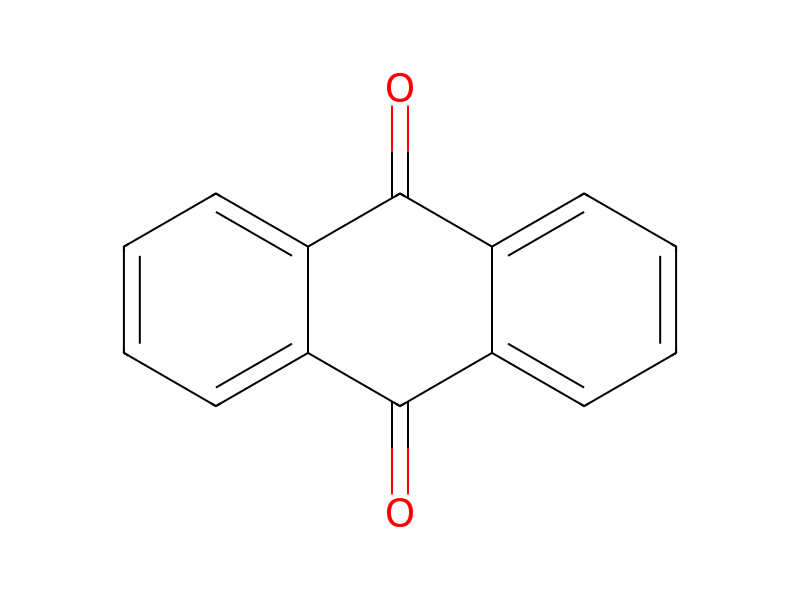
Produkt 1
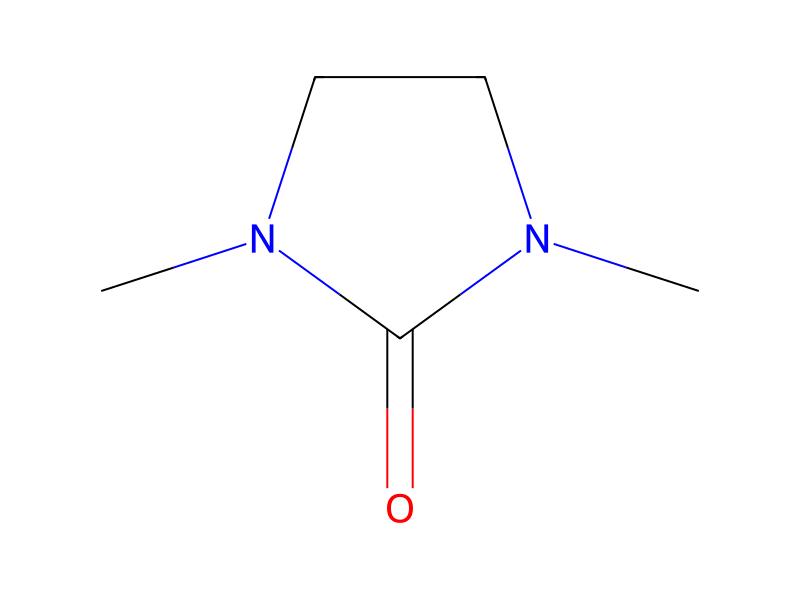
Reagenzien, Katalysatoren, Lösungsmittel 1

Reaktionsbedingungen
- Temperatur
- 140 °C
Versuchsvorschrift
One part by weight of 1-amino-2-chloro-4-hydroxyanthraquinone, 10 parts by weight of 1,3-dimethyl-2-imidazolidinone, 1.0 part by weight of potassium carbonate and 1.0 part by weight of N,N-di-n-butyl-m-aminophenol were mixed at room temperature, and then heated to 140° C. While this temperature was maintained, the reaction was conducted for 3 hours. The reaction mixture was then cooled to room temperature, charged into 90 parts by weight of water, and extracted with toluene. After the solution was separated, toluene was distilled off under reduced pressure, and the residue was purified through silica gel column chromatography to obtain an anthraquinone compound as coloring matter No. 9 (yield 90%) in Table 1.
Aufarbeitung
- temperatureWhile this temperature was maintained
- temperatureThe reaction mixture was then cooled to room temperature
- extractionextracted with toluene
- customAfter the solution was separated
- distillationtoluene was distilled off under reduced pressure
- customthe residue was purified through silica gel column chromatography
Quellen und Nachweise
- ORD-Eintrag
- ord-3e59d5b30b05441bb33a290e341e3ebc
- Quelldatensatz
- uspto-grants-2004_10
- Patentnummer
- US06800674B2
Verknüpfte Notizen
Wird geladen…