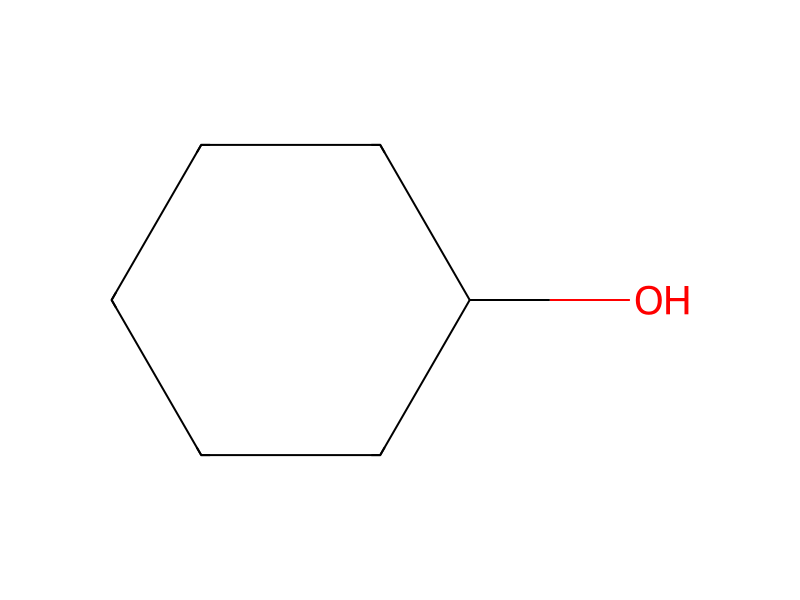
Cl[C:2]1[C:11]2[C:6](=[CH:7][C:8]([O:13][CH3:14])=[C:9]([OH:12])[CH:10]=2)[N:5]=[CH:4][CH:3]=1.[Cl:15][C:16]1[CH:22]=[CH:21][C:19]([NH2:20])=[C:18]([F:23])[CH:17]=1.Cl>C1(O)CCCCC1.CCOCC>[Cl:15][C:16]1[CH:22]=[CH:21][C:19]([NH:20][C:2]2[C:11]3[C:6](=[CH:7][C:8]([O:13][CH3:14])=[C:9]([OH:12])[CH:10]=3)[N:5]=[CH:4][CH:3]=2)=[C:18]([F:23])[CH:17]=1A solution of 4-chloro-6-hydroxy-7-methoxyquinoline (3.0 g, 14 mmol) and 4-chloro-2-fluoroaniline (3.5 g, 23 mmol) in cyclohexanol (100 ml) containing 1M ethereal hydrogen chloride (16 ml) was heated at 155° C. for 18 hours. After cooling the mixture was diluted with ether and isohexanes and the precipitate was collected by filtration. The crude product was dissolved in a mixture of methylene chloride/methanol/ammonia (100/10/1) and silica (10 g) was added. The solvent was removed by evaporation and the resulting powder was purified by flash chromatography eluting with methylene chloride/methanol/ammonia (95/5/1 increasing to 80/20/1) to give 4-(4-chloro-2-fluoroanilino)-6-hydroxy-7-methoxyquinoline (1.12 g, 25%).