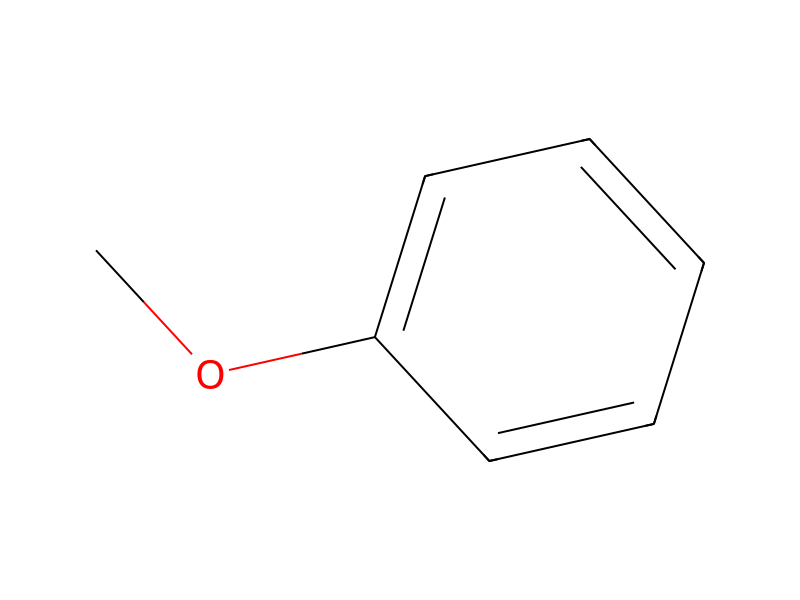
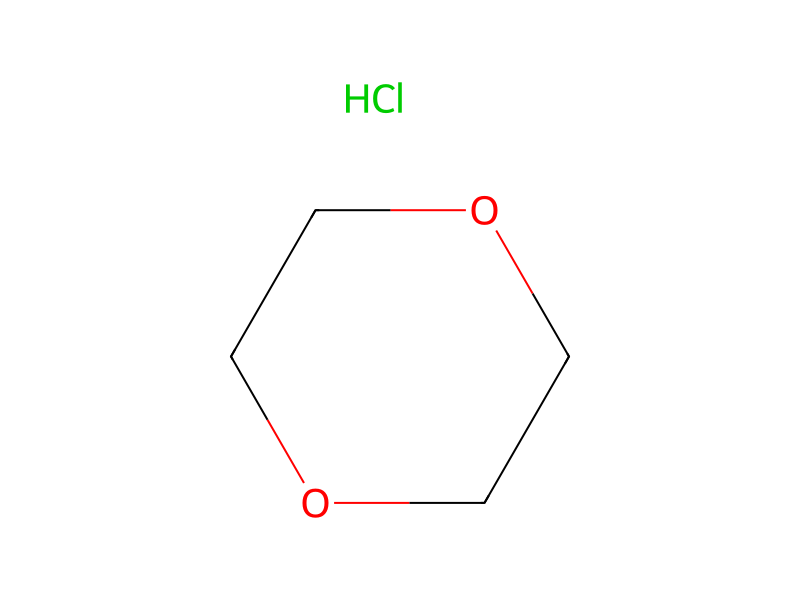
O1CCOCC1.Cl.C(OC([NH:15][CH2:16][C:17]([NH:19][C:20]1[N:28]=[C:27]2[C:23]([C:24]([C:36]3[CH:41]=[CH:40][N:39]=[CH:38][CH:37]=3)=[C:25]([C:29]3[CH:34]=[CH:33][C:32]([F:35])=[CH:31][CH:30]=3)[NH:26]2)=[CH:22][CH:21]=1)=[O:18])=O)(C)(C)C.C1(OC)C=CC=CC=1>O1CCOCC1>[NH2:15][CH2:16][C:17]([NH:19][C:20]1[N:28]=[C:27]2[C:23]([C:24]([C:36]3[CH:37]=[CH:38][N:39]=[CH:40][CH:41]=3)=[C:25]([C:29]3[CH:30]=[CH:31][C:32]([F:35])=[CH:33][CH:34]=3)[NH:26]2)=[CH:22][CH:21]=1)=[O:18]An HCl dioxane solution (4N, anhydrous, 0.27 mL) was added to 6-(2′-t-butoxycarbonylamino-1′-oxo-ethylamino)-3-(4-pyridyl)-2-(4-fluoro-phenyl)-7-aza-indole (54) (50.0 mg, 0.11 mmol), anisole (59 ml, 0.55 mmol), and dioxane (4 mL) in one portion. After 30 min at 23° C., the reaction was concentrated with a stream of nitrogen in a hood. The residue was diluted with saturated bicarbonate (30 mL), extracted with ethyl acetate (3×50 mL), and dried (Na2SO4). After concentration in vacuo, the residue was purified by application of preparative plate chromatography (two 2 mm silica gel plates, ethyl acetate:methanol 19:1) to afford 6-(2′-amino-1′-oxo-ethylamino)-3-(4-pyridyl)-2-(4-fluoro phenyl)-7-aza-indole (55): Mass Spectrum (CI) 362 (MH+).