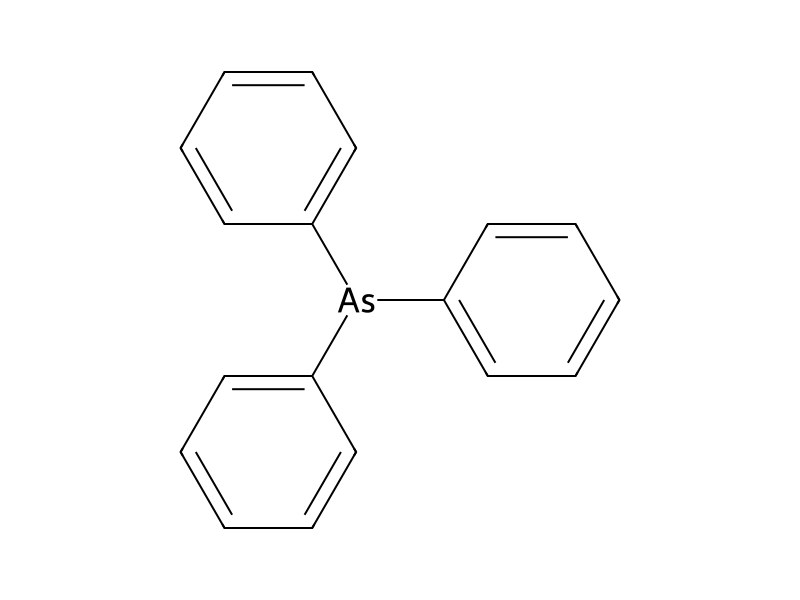
Triphenylarsine → 5-isoquinolin-4-yl-1H-pyrrole-2-carboxylic acid methyl ester
Reaktionsgleichung

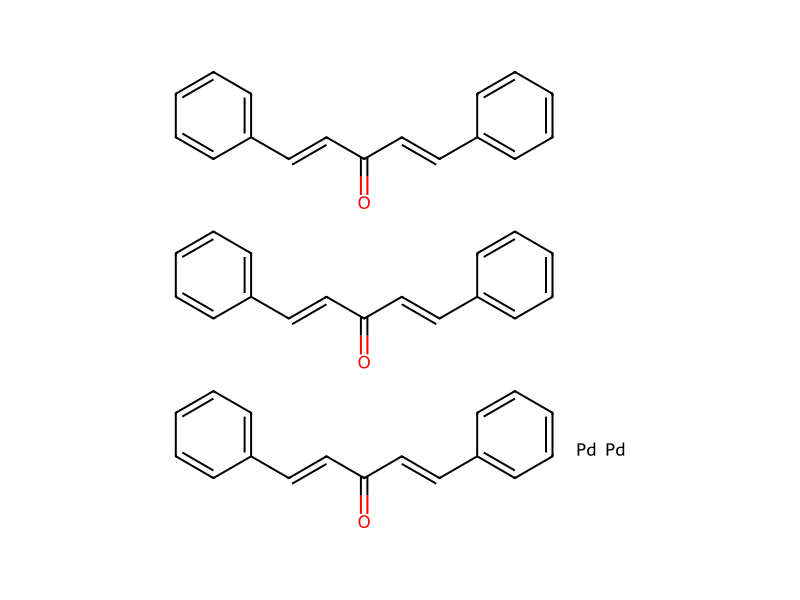
[CH3:1][O:2][C:3]([C:5]1[NH:6][C:7](Br)=[CH:8][CH:9]=1)=[O:4].C1([As](C2C=CC=CC=2)C2C=CC=CC=2)C=CC=CC=1.C[Sn](C)(C)[C:32]1[C:41]2[C:36](=[CH:37][CH:38]=[CH:39][CH:40]=2)[CH:35]=[N:34][CH:33]=1>CN1C(=O)CCC1.[Pd].[Pd].C(=CC(C=CC1C=CC=CC=1)=O)C1C=CC=CC=1.C(=CC(C=CC1C=CC=CC=1)=O)C1C=CC=CC=1.C(=CC(C=CC1C=CC=CC=1)=O)C1C=CC=CC=1>[CH3:1][O:2][C:3]([C:5]1[NH:6][C:7]([C:32]2[C:41]3[C:36](=[CH:37][CH:38]=[CH:39][CH:40]=3)[CH:35]=[N:34][CH:33]=2)=[CH:8][CH:9]=1)=[O:4]Komponenten
6
Edukt 3


Produkt 1

Reagenzien, Katalysatoren, Lösungsmittel 2