Hydrochloric Acid → 3-(5-Aminopyrazol-1-yl)benzoic acid
Reaktionsgleichung

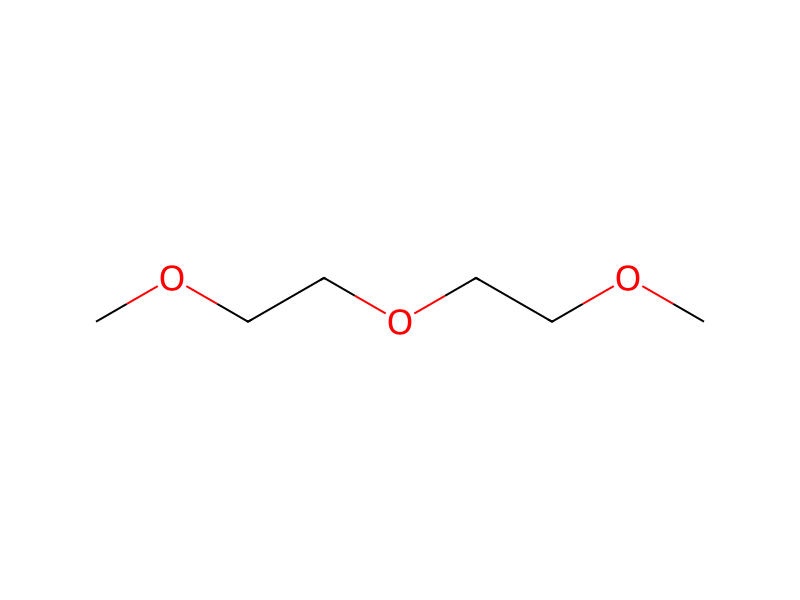
[NH2:1][C:2]1[N:6]([C:7]2[CH:8]=[C:9]([CH:13]=[CH:14][CH:15]=2)[C:10]([OH:12])=[O:11])[N:5]=[CH:4][C:3]=1C(O)=O.C(OCC)(=O)C.C(=O)([O-])[O-].[K+].[K+].Cl>COCCOCCOC.O>[NH2:1][C:2]1[N:6]([C:7]2[CH:8]=[C:9]([CH:13]=[CH:14][CH:15]=2)[C:10]([OH:12])=[O:11])[N:5]=[CH:4][CH:3]=1Komponenten
7
Edukt 4




Produkt 1

Reagenzien, Katalysatoren, Lösungsmittel 2