Aniline → 2-(methylthio)-N-phenylaniline
HRID 403138
Reaktionsgleichung

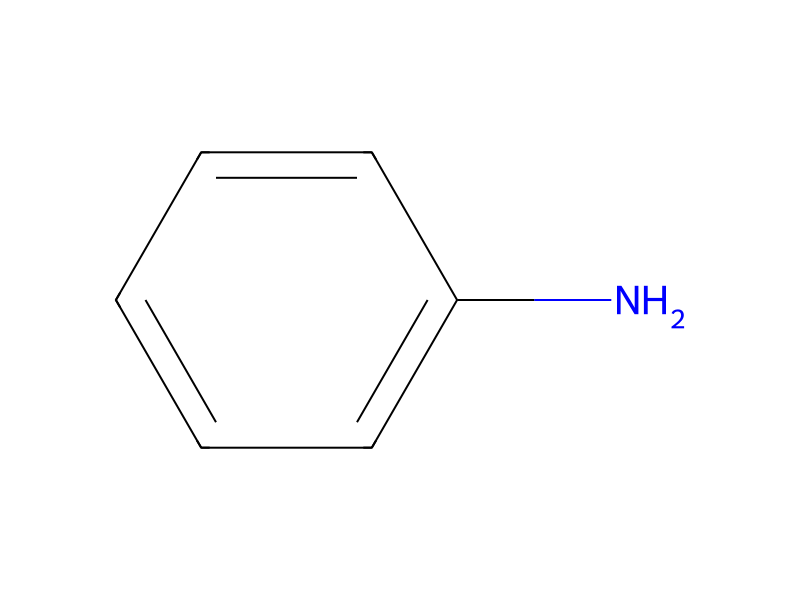
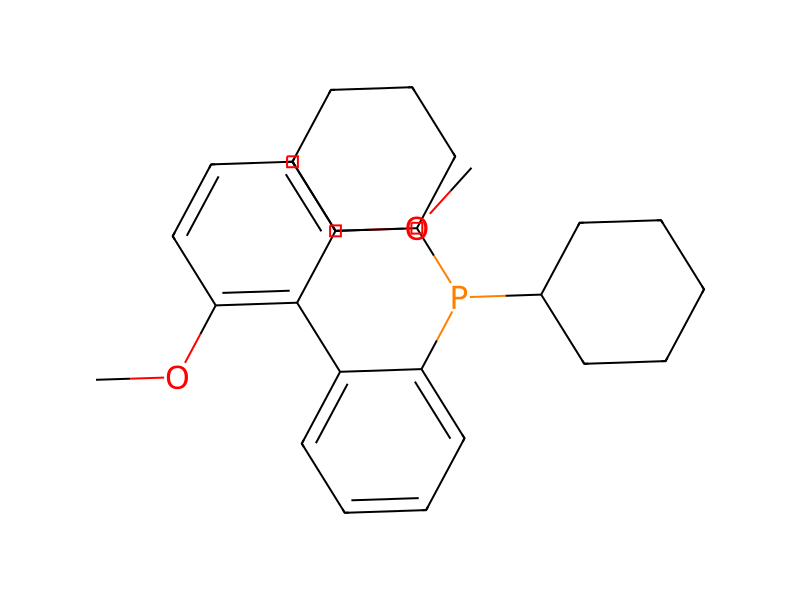
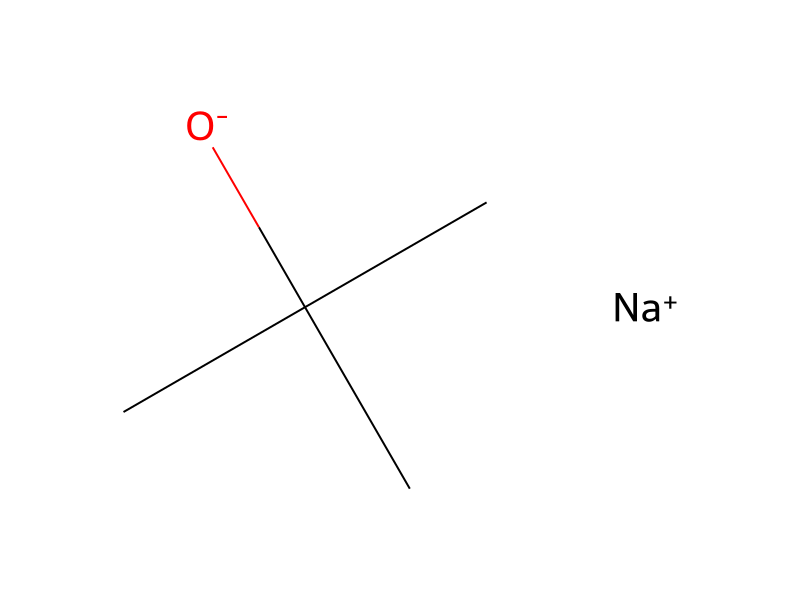
Br[C:2]1[CH:7]=[CH:6][CH:5]=[CH:4][C:3]=1[S:8][CH3:9].COC1C=CC=C(OC)C=1C1C=CC=CC=1P(C1CCCCC1)C1CCCCC1.CC(C)([O-])C.[Na+].[NH2:45][C:46]1[CH:51]=[CH:50][CH:49]=[CH:48][CH:47]=1>C1C=CC(/C=C/C(/C=C/C2C=CC=CC=2)=O)=CC=1.C1C=CC(/C=C/C(/C=C/C2C=CC=CC=2)=O)=CC=1.C1C=CC(/C=C/C(/C=C/C2C=CC=CC=2)=O)=CC=1.[Pd].[Pd].C1(C)C=CC=CC=1>[CH3:9][S:8][C:3]1[CH:4]=[CH:5][CH:6]=[CH:7][C:2]=1[NH:45][C:46]1[CH:51]=[CH:50][CH:49]=[CH:48][CH:47]=1Komponenten
7
Edukt 4

Produkt 1

Reagenzien, Katalysatoren, Lösungsmittel 2

