Potassium Phosphate, Tribasic → (R)-2-(6-tert-Butyl-8-fluoro-1-oxophthalazin-2(1H)-yl)-4-(1-methyl-5-(5-(3-methylmorpholine-4-carbonyl)pyridin-2-ylamino)-6-oxo-1,6-dihydropyridin-3-yl)nicotinaldehyde
Reaktionsgleichung

[CH3:1][N:2]1[C:7](=[O:8])[C:6]([NH:9][C:10]2[CH:15]=[CH:14][C:13]([C:16]([N:18]3[CH2:23][CH2:22][O:21][CH2:20][C@H:19]3[CH3:24])=[O:17])=[CH:12][N:11]=2)=[CH:5][C:4](B(O)O)=[CH:3]1.[C:28]([C:32]1[CH:33]=[C:34]2[C:39](=[C:40]([F:42])[CH:41]=1)[C:38](=[O:43])[N:37]([C:44]1[N:51]=[CH:50][CH:49]=[C:48](Cl)[C:45]=1[CH:46]=[O:47])[N:36]=[CH:35]2)([CH3:31])([CH3:30])[CH3:29].[O-]P([O-])([O-])=O.[K+].[K+].[K+].C([O-])(=O)C.[Na+]>C1C=CC(P(C2C=CC=CC=2)[C-]2C=CC=C2)=CC=1.C1C=CC(P(C2C=CC=CC=2)[C-]2C=CC=C2)=CC=1.Cl[Pd]Cl.[Fe+2].C(#N)C.O>[C:28]([C:32]1[CH:33]=[C:34]2[C:39](=[C:40]([F:42])[CH:41]=1)[C:38](=[O:43])[N:37]([C:44]1[N:51]=[CH:50][CH:49]=[C:48]([C:4]3[CH:5]=[C:6]([NH:9][C:10]4[CH:15]=[CH:14][C:13]([C:16]([N:18]5[CH2:23][CH2:22][O:21][CH2:20][C@H:19]5[CH3:24])=[O:17])=[CH:12][N:11]=4)[C:7](=[O:8])[N:2]([CH3:1])[CH:3]=3)[C:45]=1[CH:46]=[O:47])[N:36]=[CH:35]2)([CH3:31])([CH3:29])[CH3:30]Komponenten
Edukt 4



Produkt 1

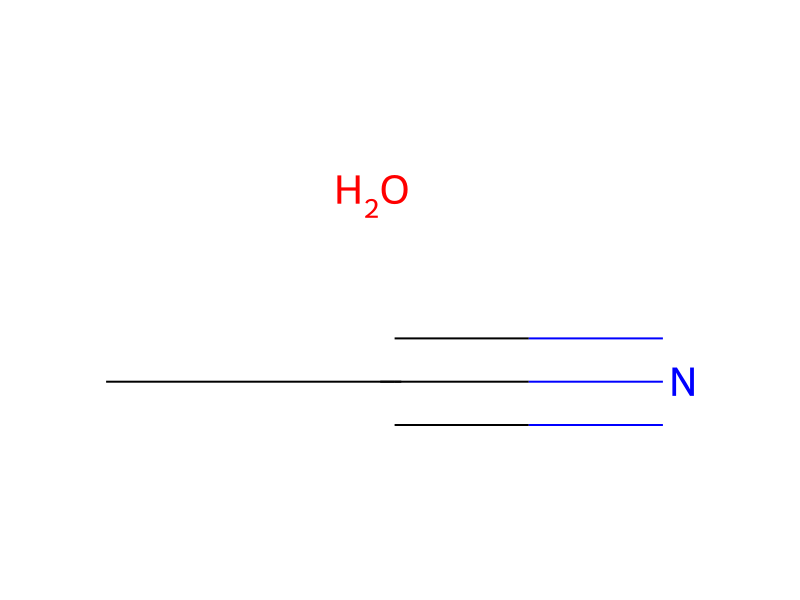
Reagenzien, Katalysatoren, Lösungsmittel 2

Reaktionsbedingungen
- Temperatur
- 100 °C
Versuchsvorschrift
A 25-mL single-neck round-bottomed flask equipped with a magnetic stirrer and a reflux condenser was charged with 132c (260 mg, 0.70 mmol), 2-(6-tert-butyl-8-fluoro-1-oxophthalazin-2(1H)-yl)-4-chloronicotin-aldehyde 103b (180 mg, 0.50 mmol), K3PO4 (297 mg, 1.4 mmol), sodium acetate (114 mg, 1.4 mmol), 1,1′-bis(diphenylphosphino)ferrocenedichloropalladium(II) (57 mg, 0.070 mmol), and acetonitrile/water (10/0.2 mL). After three cycles of vacuum/N2 flush, the mixture was heated at 100° C. 1.5 h. Analysis of the reaction mixture by LCMS showed complete conversion to the desired product. The reaction mixture was cooled to room temperature and concentrated under reduced pressure. The residue was diluted with dichloromethane (20 mL) and water (20 mL). The aqueous layer was separated and extracted with dichloromethane (3×20 mL). The combined organic layer was dried over Na2SO4, filtered, and concentrated under reduced pressure. The dark residue was purified by silica-gel column chromatography eluting with 60:1 dichloromethane/methanol to afford 132d (120 mg, 37%) as a yellow solid. MS-ESI: [M+H]+ 652.3
Aufarbeitung
- customA 25-mL single-neck round-bottomed flask equipped with a magnetic stirrer and a reflux condenser
- customAfter three cycles of vacuum/N2 flush
- custom1.5 h
- temperatureThe reaction mixture was cooled to room temperature
- concentrationconcentrated under reduced pressure
- additionThe residue was diluted with dichloromethane (20 mL) and water (20 mL)
- customThe aqueous layer was separated
- extractionextracted with dichloromethane (3×20 mL)
- dry with materialThe combined organic layer was dried over Na2SO4
- filtrationfiltered
- concentrationconcentrated under reduced pressure
- customThe dark residue was purified by silica-gel column chromatography
- washeluting with 60:1 dichloromethane/methanol
Quellen und Nachweise
- ORD-Eintrag
- ord-95075574c620440780e432cf78135007
- Quelldatensatz
- uspto-grants-2014_06
- Patentnummer
- US08754077B2
Notizen zur Reaktion
Wird geladen…