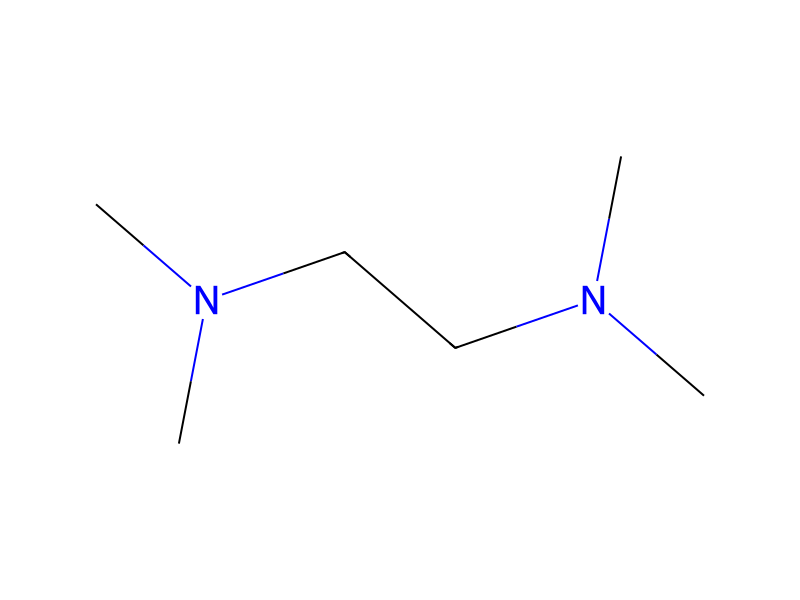
5.00 g (98% by weight; 19.0 mmol) of 3-fluoro-4-(pentafluoroethyl)benzoic acid were introduced into 40 ml of dry tetrahydrofuran. 4.73 g (40.7 mmol) of 1,2-bis-(dimethylamino)ethane were added, and the mixture was then cooled to −40° C. Then 16.3 ml of a 2.5 M solution (40.7 mmol) of n-butyllithium in hexane were added dropwise at a rate such that the temperature was in a range from −33° C. to −35° C. The contents were stirred at −35° C. for 4 hours. Then a solution of 8.25 g (58.1 mmol) of iodomethane in 10 ml of dry THF was added dropwise, and the mixture was stirred at −35° C. for 1 hour. Thereafter the contents were warmed to room temperature (RT) and stirred at this temperature for 16 hours. For working up, 50 ml of 2M hydrochloric acid were cautiously added, and then the aqueous phase was extracted with diethyl ether. The combined organic phases were dried and freed from the solvents. The residue was stirred in n-heptane and subsequently filtered. This gave 2.33 g of residue as a clean product. The filtrate was freed from the solvent, and the residue was again stirred in n-heptane. Filtration produced 590 mg of residue, which was identified as a product with a purity of 70% by weight.