StartseiteMCPWorkbenchSkills
StartseiteWorkbenchBenachrichtigungenMein Bereich
llms.txt · MCP-AnleitungDatenschutz · Nutzungsbedingungen · Supportv1.8.3
  1. Startseite
  2. /Reaktion

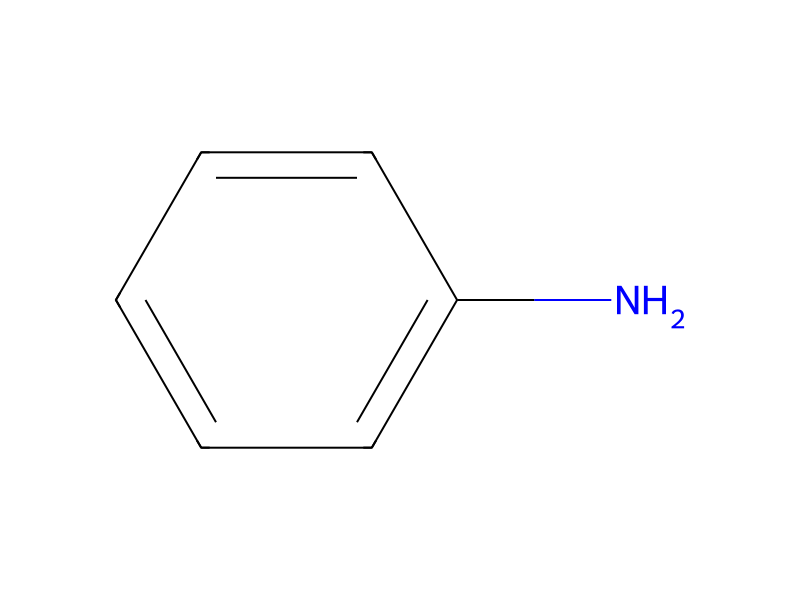
Aniline → N,9-Diphenyl-9H-carbazol-3-amine

HRID 421530
Drucken

Reaktionsgleichung

Reaktionsgleichung von HRID 421530
Br[C:2]1[CH:3]=[CH:4][C:5]2[N:6]([C:15]3[CH:20]=[CH:19][CH:18]=[CH:17][CH:16]=3)[C:7]3[C:12]([C:13]=2[CH:14]=1)=[CH:11][CH:10]=[CH:9][CH:8]=3.CC(C)([O-])C.[Na+].C1(C)C(C)=CC=CC=1.[NH2:35][C:36]1[CH:41]=[CH:40][CH:39]=[CH:38][CH:37]=1>C1C=CC(/C=C/C(/C=C/C2C=CC=CC=2)=O)=CC=1.C1C=CC(/C=C/C(/C=C/C2C=CC=CC=2)=O)=CC=1.[Pd].[CH-]1C(P(C2C=CC=CC=2)C2C=CC=CC=2)=CC=C1.[CH-]1C(P(C2C=CC=CC=2)C2C=CC=CC=2)=CC=C1.[Fe+2].C1(C)C=CC=CC=1>[C:36]1([NH:35][C:2]2[CH:3]=[CH:4][C:5]3[N:6]([C:15]4[CH:20]=[CH:19][CH:18]=[CH:17][CH:16]=4)[C:7]4[C:12]([C:13]=3[CH:14]=2)=[CH:11][CH:10]=[CH:9][CH:8]=4)[CH:41]=[CH:40][CH:39]=[CH:38][CH:37]=1
KomponentenReaktionsbedingungenVersuchsvorschriftAufarbeitungQuellen und NachweiseNotizen zur Reaktion

Komponenten

8

Edukt 4

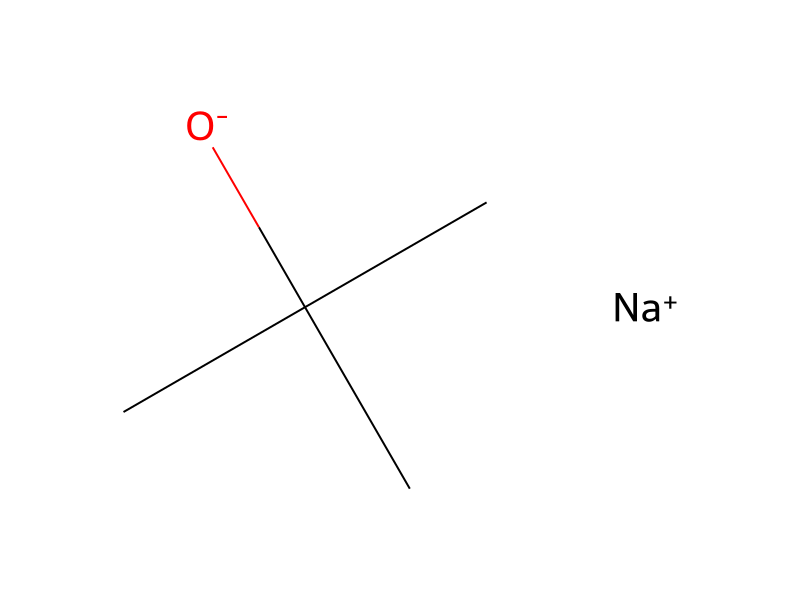
HCID 6115AnilineHCID 7237O-XyleneHCID 189426243-Bromo-9-phenylcarbazoleHCID 23676156Sodium t-butoxide

Produkt 1

HCID 59815954N,9-Diphenyl-9H-carbazol-3-amineAusbeute 75 %

Reagenzien, Katalysatoren, Lösungsmittel 3
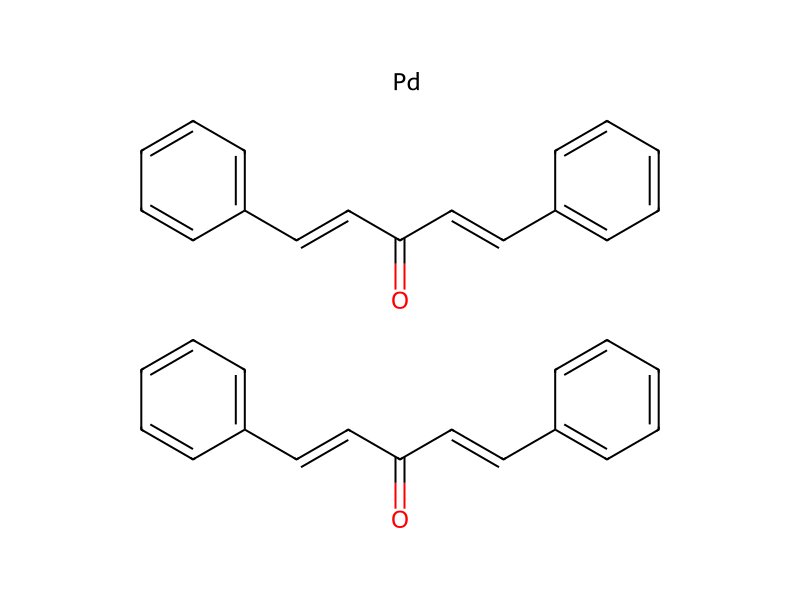
HCID 6505921
(1E,4E)-1,5-diphenylpenta-1,4-dien-3-one; palladium
Katalysator
HCID 152416121,1`-Bis(diphenylphosphino)ferroceneKatalysator
HCID 1140TolueneLösungsmittel

Reaktionsbedingungen

Temperatur
90 °C

Versuchsvorschrift

Into a 500 mL three-neck flask were added 19 g (60 mmol) of 3-bromo-9-phenylcarbazole, 0.34 g (0.60 mmol) of bis(dibenzylideneacetone)palladium(0), 1.6 g (3.0 mmol) of 1,1-bis(diphenylphosphino)ferrocene, and 13 g (0.18 mol) of sodium tert-butoxide, and the atmosphere in the flask was substituted with nitrogen. Then, 110 mL of dehydrated xylene and 7.0 g (75 mmol) of aniline were added thereto. This was heated and stirred at 90° C. for 7.5 hours under a stream of nitrogen. After the reaction was completed, about 500 mL of hot toluene was added to the reaction solution, followed by filtration through Florisil (produced by Wako Pure Chemical Industries, Ltd., Catalog No. 540-00135), alumina, and Celite (produced by Wako Pure Chemical Industries, Ltd., Catalog No. 531-16855). The obtained filtrate was concentrated, and hexane and ethyl acetate were added thereto, followed by irradiation with ultrasonic waves, whereby a solid substance was precipitated. This solid substance was collected by suction filtration and dried to produce 15 g (75% yield) of N-phenyl-(9-phenyl-9H-carbazol-3-yl)amine (abbreviation: PCA) as a milky white powder. By a nuclear magnetic resonance method (NMR), this compound was proved to be N-phenyl-(9-phenyl-9H-carbazol-3-yl)amine (abbreviation: PCA).

Aufarbeitung

  1. temperatureThis was heated
  2. filtrationfollowed by filtration through Florisil (produced by Wako Pure Chemical Industries, Ltd., Catalog No. 540-00135), alumina, and Celite (produced by Wako Pure Chemical Industries, Ltd., Catalog No. 531-16855)
  3. concentrationThe obtained filtrate was concentrated
  4. additionhexane and ethyl acetate were added
  5. customfollowed by irradiation with ultrasonic waves, whereby a solid substance
  6. customwas precipitated
  7. filtrationThis solid substance was collected by suction filtration
  8. customdried

Quellen und Nachweise

ORD-Eintrag
ord-66d45bf979e54a8f8ec591e3b550d2f2
Quelldatensatz
uspto-grants-2012_01
DOI
10.6084/m9.figshare.5104873.v1
Patentnummer
US08101289B2

Notizen zur Reaktion

Auf dieser SeiteKomponentenReaktionsbedingungenVersuchsvorschriftAufarbeitungQuellen und NachweiseNotizen zur Reaktion