Reaktionsgleichung

Clc1cccc(Cl)n1.N#Cc1ccc(Cl)cc1N>CC(=O)O.CC(=O)O.Cc1ccccc1.O=C([O-])[O-].[K+].[K+].[Pd].c1ccc(P(c2ccccc2)c2ccc3ccccc3c2-c2c(P(c3ccccc3)c3ccccc3)ccc3ccccc23)cc1>N#Cc1ccc(Cl)cc1Nc1cccc(Cl)n1Komponenten
Edukt 2


Produkt 1

Reagenzien, Katalysatoren, Lösungsmittel 4


Reaktionsbedingungen
- Temperatur
- 112 °C
Versuchsvorschrift
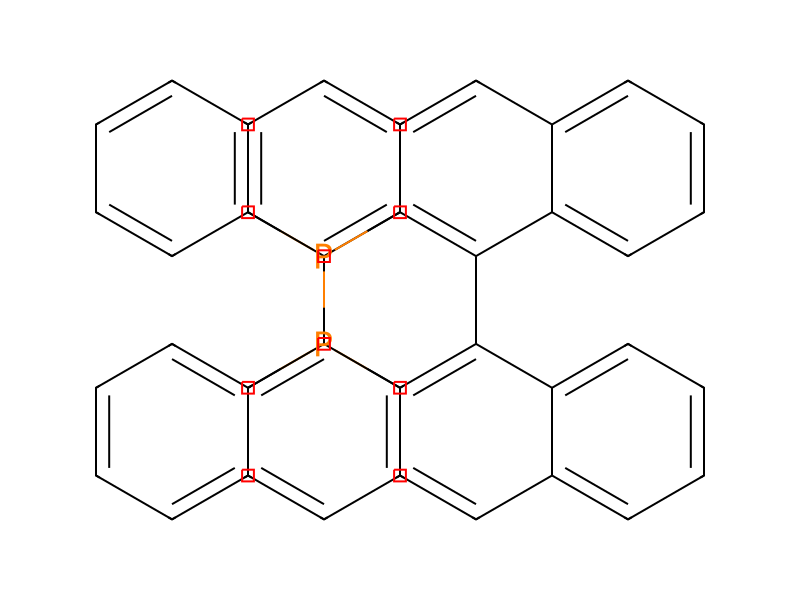
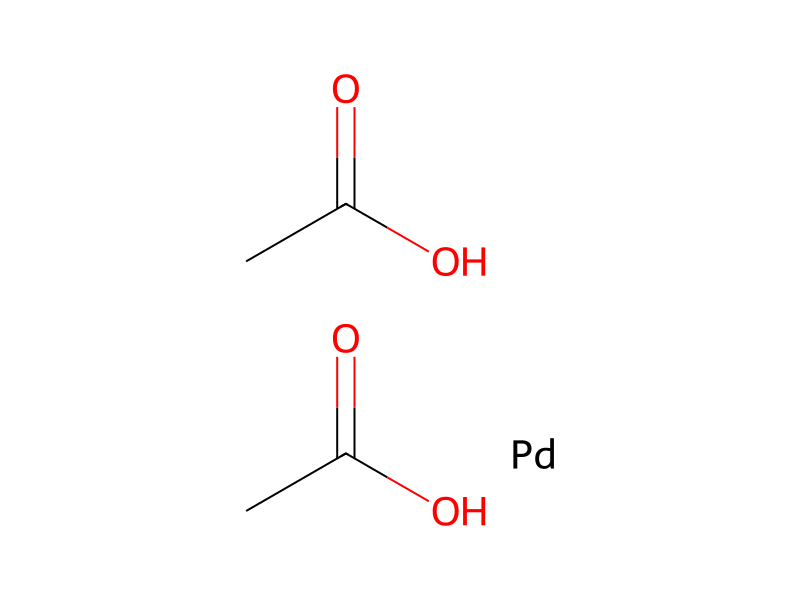
A mixture of 2,6-dichloropyridine (2 g, 13.51 mmol), 2-amino-4-chlorobenzonitrile (2.062 g, 13.51 mmol), PALLADIUM(II) ACETATE (0.303 g, 1.35 mmol), BINAP (1.683 g, 2.70 mmol) and potassium carbonate (5.60 g, 40.54 mmol) in toluene (100 mL) was stirred at reflux under N2 for 5hrs. LCMS detected major peak as desire product. The resulting suspension was cooled, filtered, and the filtrate was concentrated under reduced pressure. Column chromatography of the residue on silica gel using 15% to 20% ethyl acetate in hexane, then 100% ethyl acetate as eluent gave the crude product which was recrystallized from methanol/DCM to yield a light yellow solid as desired product 4-chloro-2-(6-chloropyridin-2-ylamino)benzonitrile (3.34 g, 93 %)
Quellen und Nachweise
- ORD-Eintrag
- ord-9455bd6f5eee4a2d8aef36cf7b2f19e8
- Quelldatensatz
- 750 AstraZeneca ELN dataset
- Originallink
- Quelle ansehen
Verknüpfte Notizen
Wird geladen…