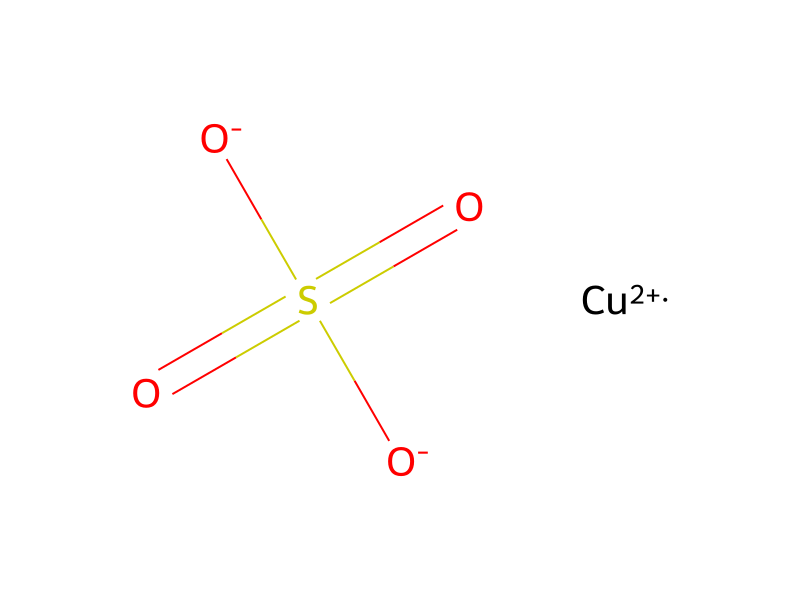
2-Chloro-5-nitro-benzenesulfonamide (1.95 kg, 8.30 mol), ammonium carbonate (1.983 kg, 20.64 mol), and copper (II) sulfate (394 g, 2.47 mol) were charged to an autoclave and diluted with a 30% aqueous ammonium hydroxide solution (11.7 L, 330 mol). The mixture was heated at 118° C. for 3 days and was then cooled to 23° C. The mixture was filtered and the solids were then washed with water (20 L). This solid was dissolved in hot methanol (20 mL/g), and the mixture was filtered to remove undissolved solids. The filtrate was stored at 4° C. overnight, and the resulting solid product was then filtered. The filtrate was partially concentrated by vacuum distillation and, when the concentrate was cooled to 23° C., the solid product was then filtered off. The two crops of solid were combined and further dried in vacuo at 45° C. to afford the desired product, 2-amino-5-nitro-benzenesulfonamide (1.10 kg, 5.06 mol, 61%), as a solid. 1H NMR (400 MHz, DMSO-d6) δ: 6.89 (d, J=9.3 Hz, 1H), 7.12 (bs, 2H), 7.57 (bs, 2H), 8.07 (dd, J1=9.0 Hz, J2=2.6 Hz, 1H), 8.43 (d, J=3.0 Hz, 1H).