Water → N-(1-Carboxyethyl)-L-cysteine
Reaktionsgleichung

[C:1]([C:4]1([CH3:12])[NH:8][CH:7]([C:9]([OH:11])=[O:10])[CH2:6][S:5]1)([OH:3])=[O:2].[OH2:13]>Cl>[C:1]([CH:4]([NH:8][C@H:7]([C:9]([OH:11])=[O:10])[CH2:6][SH:5])[CH3:12])([OH:3])=[O:2].[C:1]([OH:3])(=[O:2])[CH:4]([CH3:12])[OH:13].[NH2:8][C@H:7]([C:9]([OH:11])=[O:10])[CH2:6][SH:5]Komponenten
6
Edukt 2


Produkt 3
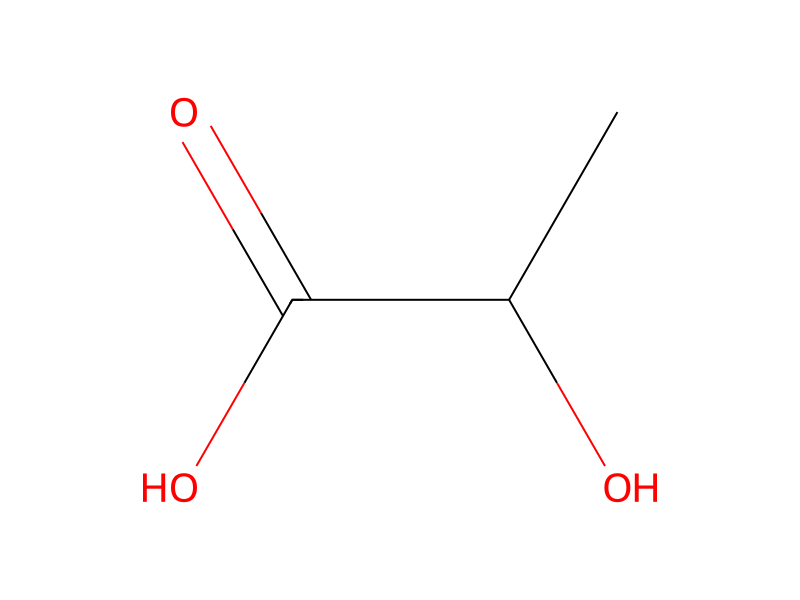


Reagenzien, Katalysatoren, Lösungsmittel 1

Versuchsvorschrift
In the electrolysis apparatus of Example 10, a solution of 130.0 g of 2,4-dicarboxy-2-methylthiazolidine in a mixture of 526 ml of water and 144 g of hydrochloric acid was reduced at 9.5 A and temperatures of 16-20° C. After a reaction time of 5 hours, 66% N-(1-carboxyethyl)cysteine, 19% lactic acid and 15% cysteine were obtained. The reaction solution was evaporated, and the solid was recrystallized from 0.5 m hydrochloric acid with exclusion of oxygen. N-(1-Carboxyethyl)cysteine was obtained in colorless crystals.
Aufarbeitung
- customwas reduced at 9.5 A and temperatures of 16-20° C
Quellen und Nachweise
- ORD-Eintrag
- ord-1adeb655f6a24e8ea69f4e6bece355bf
- Quelldatensatz
- uspto-grants-2003_12
- Patentnummer
- US06669828B2
Notizen zur Reaktion
Wird geladen…