Hydrochloric Acid → 2-(4-Iodophenyl)ethylamine
Reaktionsgleichung

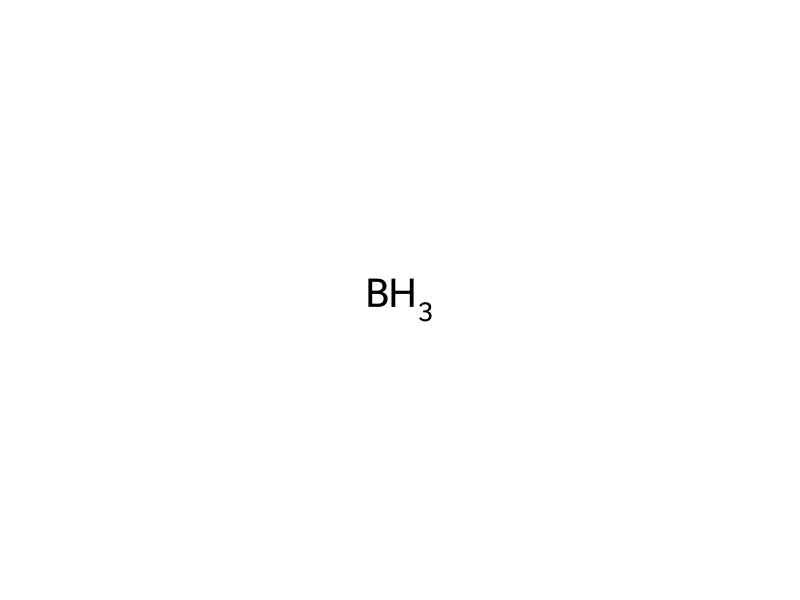
[I:1][C:2]1[CH:7]=[CH:6][C:5]([CH2:8][C:9]#[N:10])=[CH:4][CH:3]=1.B.Cl.O1CCOCC1>O1CCCC1.CCOCC>[I:1][C:2]1[CH:7]=[CH:6][C:5]([CH2:8][CH2:9][NH2:10])=[CH:4][CH:3]=1Komponenten
7
[I:1][C:2]1[CH:7]=[CH:6][C:5]([CH2:8][C:9]#[N:10])=[CH:4][CH:3]=1.B.Cl.O1CCOCC1>O1CCCC1.CCOCC>[I:1][C:2]1[CH:7]=[CH:6][C:5]([CH2:8][CH2:9][NH2:10])=[CH:4][CH:3]=14-Iodophenylacetonitrile (4.80 g, 19.7 mmol) was dissolved in tetrahydrofuran (25 mL) under nitrogen, and 1.0 M borane in tetrahydrofuran (29.6 mL, 29.6 mmol) was added via syringe. The reaction was heated at reflux for 1 hour, then cooled in ice and the excess borane was quenched by the addition of methanol (100 mL). When hydrogen evolution ceased, the solvents were removed under reduced pressure. The residue was dissolved in tetrahydrofuran (25 mL) and 4N HCl in dioxane (6.0 mL, 24 mmol) was added, followed by ether (75 mL). The hydrochloride salt of 4-iodophenethylamine was collected on a Buchner funnel, washed with ether (2×50 mL) and dried under reduced pressure. To generate the free base, the solid was partitioned between dichloromethane (200 mL) and 1N NaOH (100 mL). The aqueous layer was extracted with dichloromethane (2×100 mL). The combined organic layers were dried (Na2SO4) and concentrated to give 4-iodophenethylamine (4.52 g) as a colorless oil.
Wird geladen…