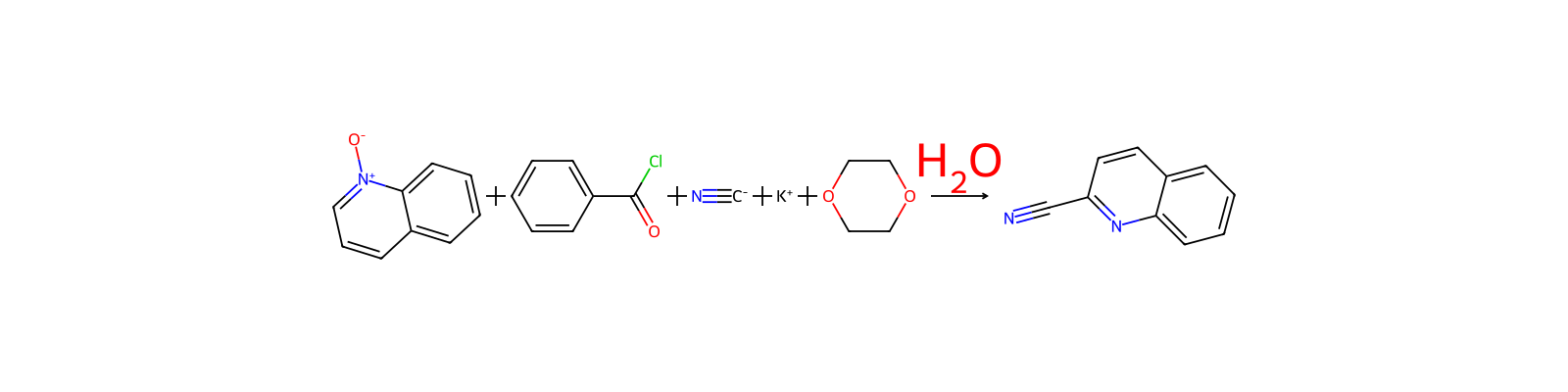
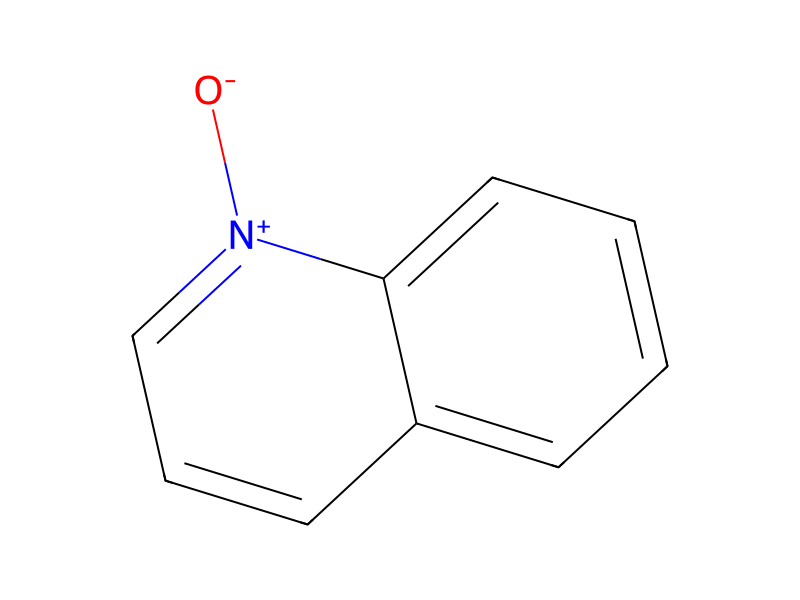
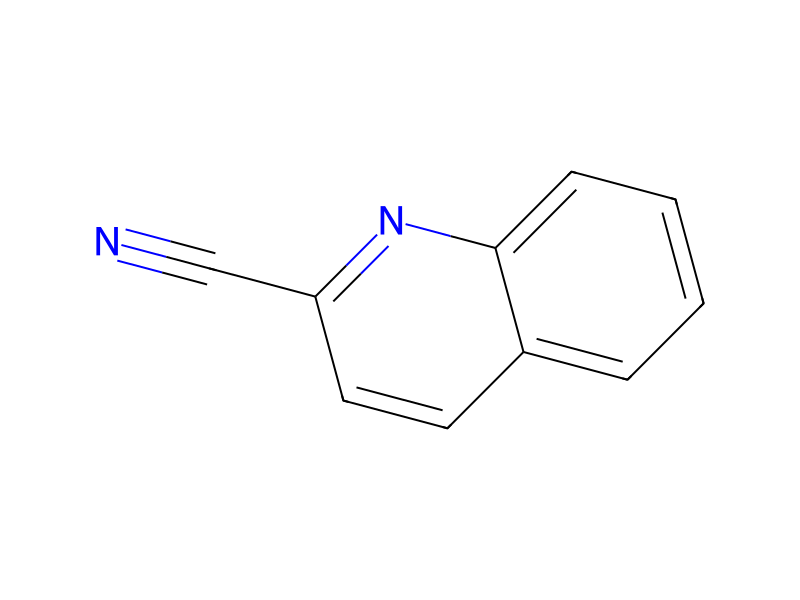
To a solution of quinoline N-oxide (2 g, 13.8 mmol) was added benzoyl chloride (2.6 mL, 22.0 mmol), followed by water (20 mL). Then, a solution of potassium cyanide (3.6 g, 55.1 mmol) in water (80 mL) was added slowly over a period of 15 minutes with vigorous stirring. Dioxane (15 mL) was added to help the solubility. After the mixture was stirred at RT for 2.5 hours, it was extracted with equal volume of dichloromethane three times. The organic layer was dried over anhydrous sodium sulfate and the solvent was removed under vacuum. The residue was then purified by flash chromatography with 30% of ethyl acetate in hexane. 2.1 g of product was obtained (yield: 100%).