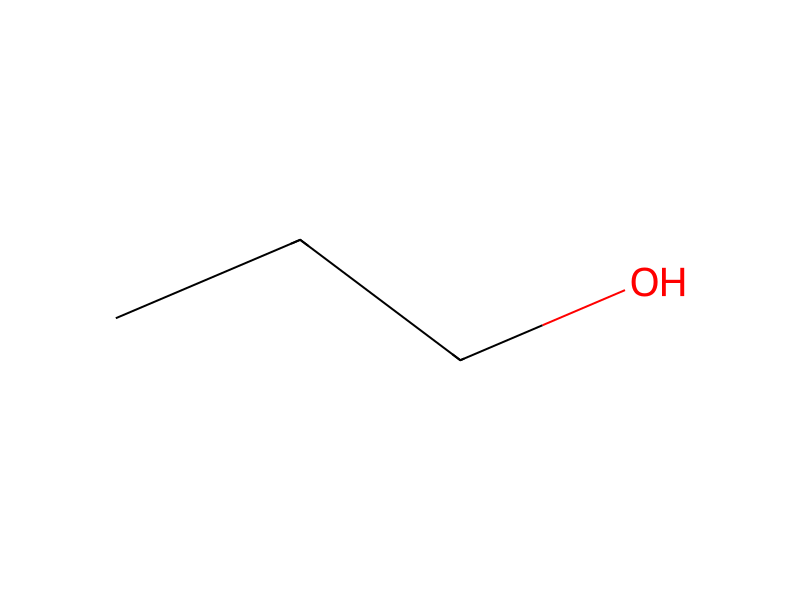
[Cl:1][C:2]1[N:7]=[C:6](Cl)[CH:5]=[CH:4][N:3]=1.[C:9]([CH2:11][NH:12][C:13]([C:15]1[CH:20]=[CH:19][C:18](B(O)O)=[CH:17][CH:16]=1)=[O:14])#[N:10].C(O)CC.C(=O)(O)[O-].[Na+]>C1(C)C=CC=CC=1>[Cl:1][C:2]1[N:7]=[C:6]([C:18]2[CH:19]=[CH:20][C:15]([C:13]([NH:12][CH2:11][C:9]#[N:10])=[O:14])=[CH:16][CH:17]=2)[CH:5]=[CH:4][N:3]=1To a solution of 2,4-dichloropyrimidine (3.2 g, 0.22 mmol) and 4-(cyanomethylcarbamoyl)phenylboronic acid (3.0 g, 15 mmol) in toluene (146 mL) were added n-propanol (44 mL), aqueous sodium bicarbonate (2M, 22 mL) and tetrakis(triphenylphosphine)palladium[0] (850 mg, 0.7 mmol). The reaction was heated at 90° C. for 24 h, then partitioned between ethyl acetate and water. The aqueous layer was extracted twice further with ethyl acetate and the combined organic fractions washed with brine, dried (Na2SO4) filtered and concentrated. Silica gel chromatography using 30-70% ethyl acetate/petroleum spirit as eluent provided 4-(2-chloropyrimidin-4-yl)-N-(cyanomethyl)benzamide as a pale yellow waxy solid (1.35 g, 33%). 1H NMR (300 MHz, d6-DMSO) δ 9.40 (t, J=5.4 Hz, 1H), 8.88 (d, J=5.2 Hz, 1H), 8.32 (d, J=8.7 Hz, 2H), 8.23 (d, J=5.1 Hz, 1H), 8.05 (d, J=8.7 Hz, 2H), 4.36 (d, J=5.4 Hz, 2H); LC-ESI-MS (method B): rt 5.3 min.; m/z 273.2/275.2 [M+H]+.