2,4-Dichlorpyrimidin
2,4-Dichloropyrimidine

Grundinformationen
- CAS
3934-20-1- Standard-SMILES
Clc1ccnc(Cl)n1- InChIKey
BTTNYQZNBZNDOR-UHFFFAOYSA-N- Summenformel
- C4H2Cl2N2
- Durchschnittliche Molmasse
- 148,98 g/mol
- Monoisotopische Masse
- 147,95950342
Überblick
structure in first source
Namen und Bezeichner
- Bevorzugter Name
- 2,4-Dichloropyrimidine
- IUPAC
- 2,4-dichloropyrimidine
- Lokaler Name
- 2,4-Dichlorpyrimidin
- Englischer Name
- 2,4-Dichloropyrimidine
- Summenformel
- C4H2Cl2N2
- Molmasse
- 148.98
Namen und Synonyme
2,4-Dichloropyrimidine3934-20-12,6-DichloropyrimidineDTXSID9049293YV96122OCDNSC-20212NSC-37531NSC-49119DTXCID4029149RefChem:445486223-508-6Pyrimidine, 2,4-dichloro-
Weitere Namen anzeigen
2,4-dichloropyrimidine hydrochloride2,4DCPYNSC 37531NSC 49119AKOS 910582,4-Dichloropyrimidi4-DichloropyriMidine
2,4-dichlorpyrimidin2,4-Dichloro-pyrimidineMFCD00006061Pazopanib Impurity 72-CHLOROPYRIMIDIN-4-YL CHLORIDEPyrimidine,4-dichloro-2,4-dichloro pyrimidineNSC 20212
Datenbank-Bezeichner
- CAS
3934-20-1- PubChem CID
- 77531
- DTXSID
DTXSID9049293- ChEMBL
CHEMBL3188699- UNII
- YV96122OCD
- EC Number
- 223-508-6
- Nikkaji
- J189I
Eigenschaften
Berechnete Struktureigenschaften
- XLogP
- 2,1
- Polarare Oberfläche (TPSA)
- 25,8 Ų
- H-Brücken-Donoren
- 0
- H-Brücken-Akzeptoren
- 2
- Frei drehbare Bindungen
- 0
- Schwere Atome
- 8
- Formalladung
- 0
- Komplexität
- 78,4
Experimentelle und physikochemische Eigenschaften
SpringerMaterials Properties15N nuclear magnetic resonance spectrum
LogP1.16
Physikochemische Eigenschaften
- Schmelzpunkt
- 57 · 57-61 °C (lit.)
- Siedepunkt
- 101 °C/23 · 101 °C/23 mmHg (lit.)
- Dichte
- 1.6445 · 1.6445 (rough estimate)
- Brechungsindex
- 1.63 · 1.6300 (estimate)
- Flammpunkt
- 101 °C/23mm · 101°C/23mm
- storage temp.
- Keep in dark place,Sealed in dry,Room Temperature
- Löslichkeit
- Chloroform (Slightly), Ethyl Acetate (Slightly), Methanol (Slightly)
- Aggregatzustand
- Powder, Crystals and/or Chunks
- pka
- -2.84 · -2.84±0.20(Predicted)
- Farbe
- White to yellow to beige or grayish
Sicherheit und Regulatorisches
Sicherheitsangaben dienen nur zur Orientierung und ersetzen weder das Sicherheitsdatenblatt (SDB) des Lieferanten noch geltende Vorschriften oder eine fachliche Bewertung.
GHS-Klassifizierung
GHS Classification
Warning
H315 (93.5%): Causes skin irritation [Warning Skin corrosion/irritation]
P261, P264, P264+P265, P271, P272, P280, P302+P352, P304+P340, P305+P351+P338, P319, P321, P332+P317, P333+P317, P337+P317, P362+P364, P403+P233, P405, and P501 (click each P-code to see the statement)
Aggregated GHS information provided per 93 reports by companies from 22 notifications to the ECHA C&L Inventory. Each notification may be associated with multiple companies.
Gefahrenhinweise
Regulatory InformationStatus: Active Update: 25-11-2021 https://echa.europa.eu/registration-dossier/-/registered-dossier/20650
Hazard Classes and CategoriesSkin Irrit. 2 (93.5%)
Sicherheitsdaten
- wgk
- 3
- tsca
- TSCA listed
- ridadr
- 1759
- hs_code
- 29335990
- risk_code
- 36/37/38
- hazard_code
- Xi
- safety_code
- 26-36-28A
- hazard_class
- 8
- packing_group
- III
- Speicherklasse
- 11 - Combustible Solids
- Hazard Classifications
- Eye Irrit. 2Skin Irrit. 2STOT SE 3
Chemie und Industrie
Verwendung und Herstellung
General Manufacturing InformationPyrimidine, 2,4-dichloro-: INACTIVE
Anwendungen
Verwenden2,4-Dichloropyrimidine was used in the synthesis of medicinally important 4-aryl-5-pyrimidinylimidazoles.
Darstellung
synthetischeObtained by chlorination of uracil. Add uracil, phosphorus trichloride, and xylene amine into the reaction pot, heat to 130 ℃, reflux for about 45min, slightly cool, put in crushed ice, that is, the precipitation of purple solid, filtered while hot and not dissolved, washed with ice water, vacuum drying, a kind of purple crude, decolorized with petroleum ether (boiling range of 60-90 ℃), recrystallized, obtained 2,4-dichloropyrimidine.
Vor- und nachgelagerte Produkte
Vorgelagerte Rohstoffe
Nachgelagerte Produkte
Zugehörige Reaktionen
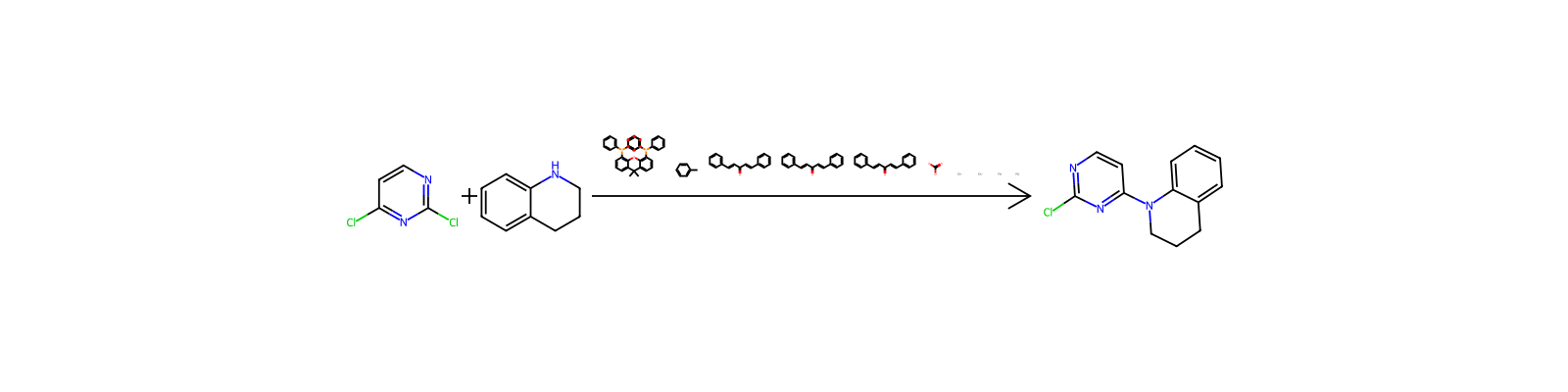
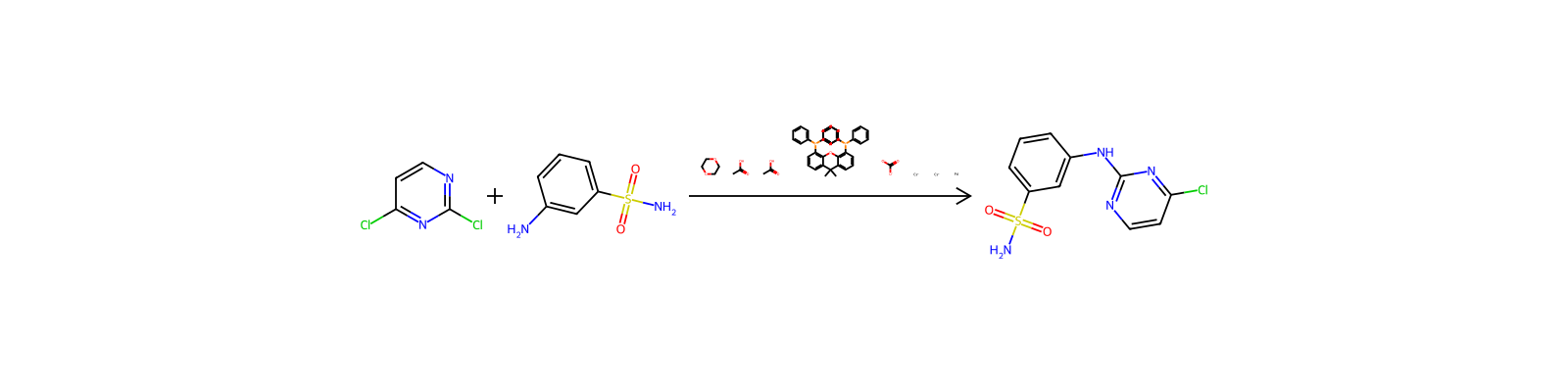
877


Notizen zur Verbindung
Wird geladen…