Reaktionsgleichung

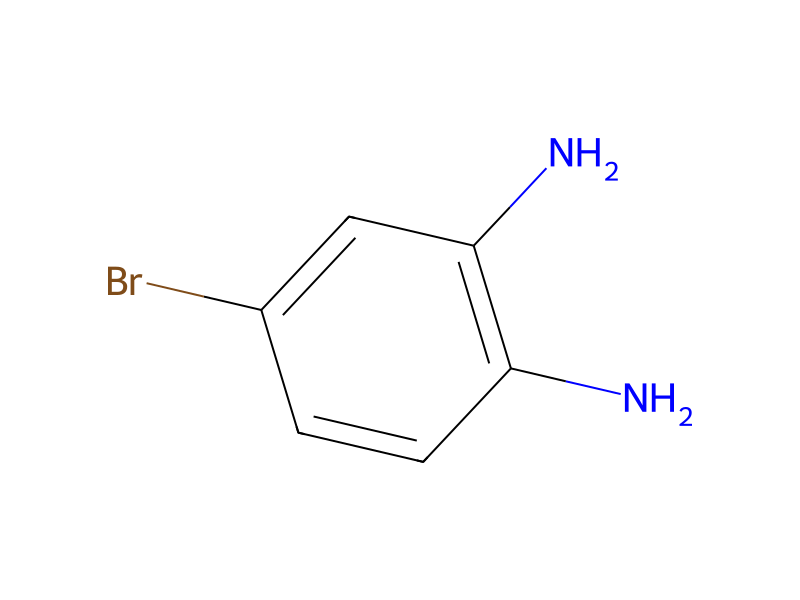
[C:1]1([C@@H:7]2[CH2:11][O:10][C:9](=[O:12])[NH:8]2)[CH:6]=[CH:5][CH:4]=[CH:3][CH:2]=1.Br[C:14]1[CH:15]=[C:16]([NH2:21])[C:17]([NH2:20])=[CH:18][CH:19]=1.[C:22](=O)([O-])[O-].[K+].[K+].C1(N)CCCCC1N.Cl>[Cu]I.C(O)=O>[NH:21]1[C:16]2[CH:15]=[C:14]([N:8]3[C@H:7]([C:1]4[CH:2]=[CH:3][CH:4]=[CH:5][CH:6]=4)[CH2:11][O:10][C:9]3=[O:12])[CH:19]=[CH:18][C:17]=2[N:20]=[CH:22]1Komponenten
8
Edukt 5




Produkt 1

Reagenzien, Katalysatoren, Lösungsmittel 2


Versuchsvorschrift
The compound was synthesized starting from (R)-4-phenyloxazolidin-2-one (1 equiv., 0.163 g, 1 mmol), 4-bromobenzene-1,2-diamine (1 equiv., 0.187 g, 1 mmol), copper(I) iodide (0.1 equiv., 0.019 g, 0.1 mmol), potassium carbonate (2 equiv., 0.276 g, 2 mmol), cyclohexane-1,2-diamine (0.1 equiv., 0.012 mL, 0.1 mmol), 5N HCl (3.4 mL), formic acid (0.343 mL) as described in method 5 step D.
Aufarbeitung
- customThe compound was synthesized
Quellen und Nachweise
- ORD-Eintrag
- ord-982164221e9645828fc8576559b0bf5c
- Quelldatensatz
- uspto-grants-2013_07
- Patentnummer
- US08486940B2
Verknüpfte Notizen
Wird geladen…