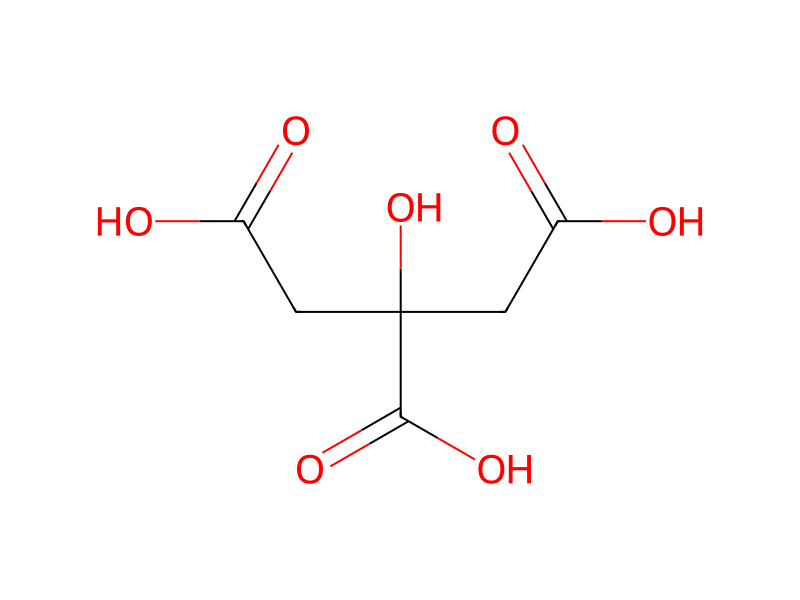
[OH-].[Na+].C(O)C.[CH2:6]([O:13][C:14]1[CH:23]=[CH:22][C:21]([N:24]2[CH2:29][CH2:28][O:27][CH2:26][CH2:25]2)=[CH:20][C:15]=1[C:16]([O:18]C)=[O:17])[C:7]1[CH:12]=[CH:11][CH:10]=[CH:9][CH:8]=1.C(O)(=O)CC(CC(O)=O)(C(O)=O)O>C(OCC)(=O)C>[CH2:6]([O:13][C:14]1[CH:23]=[CH:22][C:21]([N:24]2[CH2:29][CH2:28][O:27][CH2:26][CH2:25]2)=[CH:20][C:15]=1[C:16]([OH:18])=[O:17])[C:7]1[CH:12]=[CH:11][CH:10]=[CH:9][CH:8]=1A 4 mol/L aqueous solution of sodium hydroxide (0.3 mL) was added to an ethanol (2.1 mL) solution of the obtained methyl 2-(benzyloxy)-5-(morpholin-4-yl)benzoate (0.26 g), followed by stirring at 50° C. for 1 hour. The reaction mixture was cooled to room temperature, and then a 10% aqueous solution of citric acid and ethyl acetate were sequentially added thereto. The organic layer was separated, washed with a saturated aqueous solution of sodium chloride, and dried over anhydrous magnesium sulfate, and the solvent was evaporated under reduced pressure. Diisopropyl ether was added to the obtained residue, and the solid substance was collected by filtration to obtain 0.17 g of 2-(benzyloxy)-5-(morpholin-4-yl)benzoic acid as a white solid.
Wird geladen…