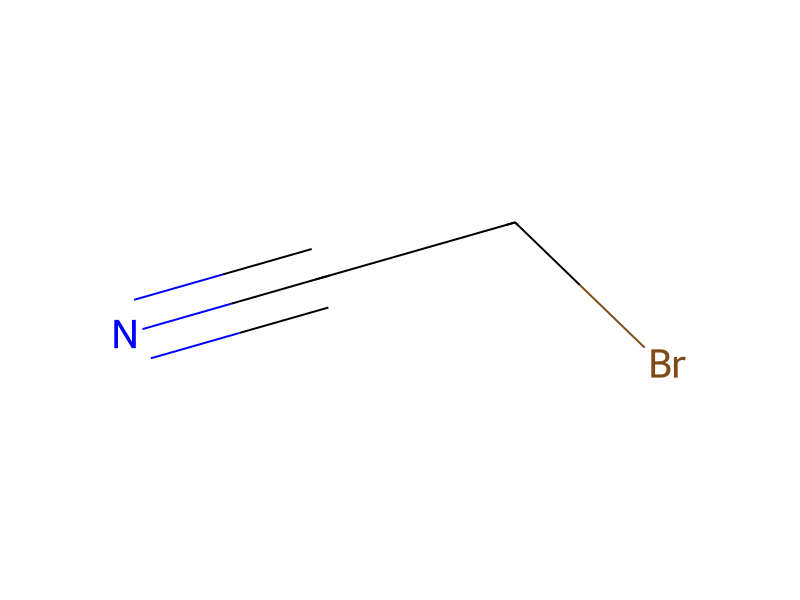
[NH2:1][C:2]1([CH2:20][OH:21])[C:15]2[CH:14]=[C:13]([O:16][CH3:17])[CH:12]=[C:11]([F:18])[C:10]=2[O:9][C:8]2[C:3]1=[CH:4][C:5]([Br:19])=[CH:6][CH:7]=2.CC(C)([O-])C.[Li+].Br[CH2:29][C:30]#[N:31].O>C1COCC1>[NH2:1][C:2]1([CH2:20][O:21][CH2:29][C:30]#[N:31])[C:15]2[CH:14]=[C:13]([O:16][CH3:17])[CH:12]=[C:11]([F:18])[C:10]=2[O:9][C:8]2[C:3]1=[CH:4][C:5]([Br:19])=[CH:6][CH:7]=2A solution of (9-amino-7-bromo-4-fluoro-2-methoxy-9H-xanthen-9-yl)methanol (9.83 g, 27.8 mmol) in THF (46.3 mL) was sequentially treated with lithium t-butoxide (1 M in THF) (30.5 mL, 30.5 mmol) and 2-bromoacetonitrile (2.90 mL, 41.6 mmol) at RT. After 2.5 hours reaction time, additional 0.5 equivalent lithium t-butoxide and 2-bromoacetonitrile (1.5 mL) were added. After 4 hours reaction time, an additional 0.25 equivalent lithium t-butoxide and bromoacetonitrile (0.75 mL) were added. After 5 hours reaction time another 0.25 equivalent of lithium t-butoxide and bromoacetonitrile (0.75 mL) were added to the mixture. Water (100 ml) was added and solvents were removed under reduced pressure. The aqueous residue was filtered, the solid was washed twice with water, dried under reduced pressure and re-suspended in ethanol. The solid was filtered off, washed with ethanol and dried under reduced pressure to afford 2-((9-amino-7-bromo-4-fluoro-2-methoxy-9H-xanthen-9-yl)methoxy)acetonitrile.