Sulfur dichloride → 5-(2,4-Dichlorophenoxy)benzo-2,1,3-thiadiazole
Reaktionsgleichung

[Cl:1][C:2]1[CH:18]=[C:17]([Cl:19])[CH:16]=[CH:15][C:3]=1[O:4][C:5]1[CH:14]=[CH:13][C:8]2=[N+:9]([O-])[O:10][N:11]=[C:7]2[CH:6]=1.[S:20](Cl)Cl>>[Cl:1][C:2]1[CH:18]=[C:17]([Cl:19])[CH:16]=[CH:15][C:3]=1[O:4][C:5]1[CH:14]=[CH:13][C:8]2=[N:9][S:20][N:11]=[C:7]2[CH:6]=1.[Cl:1][C:2]1[CH:18]=[C:17]([Cl:19])[CH:16]=[CH:15][C:3]=1[O:4][C:5]1[CH:14]=[CH:13][C:8]2=[N+:9]([O-:10])[S:20][N:11]=[C:7]2[CH:6]=1Komponenten
4
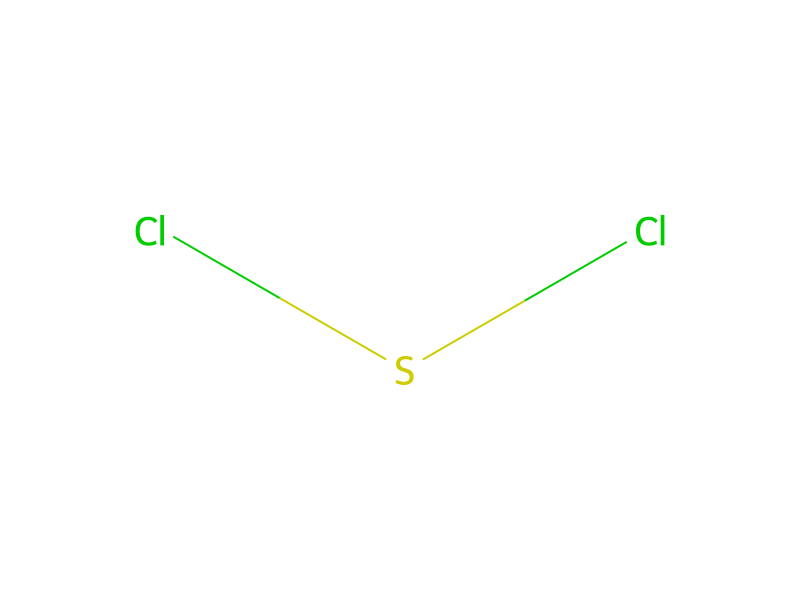


Versuchsvorschrift
In the same way, 5-(2,4-dichlorophenoxy)benzo-2,1,3-oxadiazole N-oxide is reduced to the corresponding dioxime, which is then reacted with sulfur dichloride to yield 5-(2,4-dichlorophenoxy)benzo-2,1,3-thiadiazole and 5-(2,4-dichlorophenoxy)benzo-2,1,3-thiadiazole N-oxide.
Quellen und Nachweise
- ORD-Eintrag
- ord-1d57c48dc73846a1b9ded39bf6b77339
- Quelldatensatz
- uspto-grants-1985_10
- Patentnummer
- US04544400
Notizen zur Reaktion
Wird geladen…