
Grundinformationen
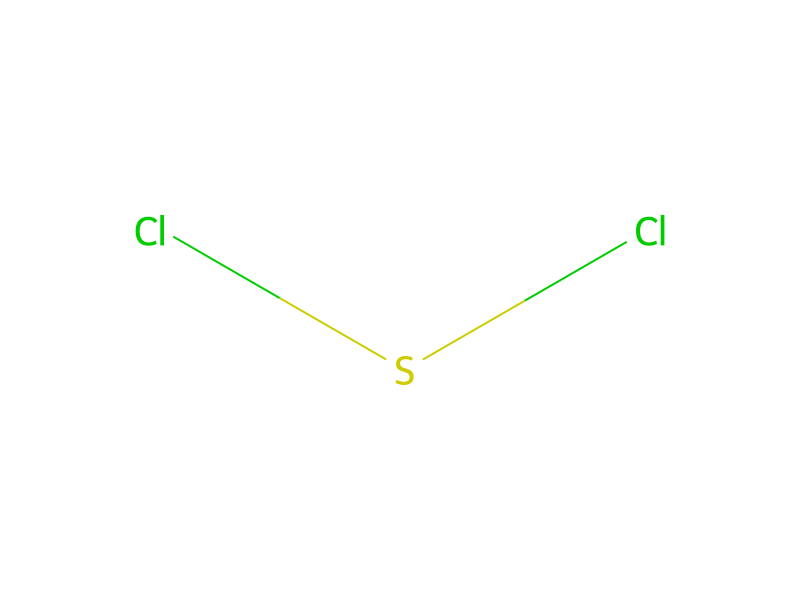
- Standard-SMILES
ClSCl- InChIKey
FWMUJAIKEJWSSY-UHFFFAOYSA-N- Summenformel
- Cl2S
- Durchschnittliche Molmasse
- 102,97 g/mol
- Monoisotopische Masse
- 101,90977636
Namen und Bezeichner
- Bevorzugter Name
- Sulfur dichloride
- IUPAC
- chloro thiohypochlorite
- Lokaler Name
- Schwefeldichlorid
- Englischer Name
- Sulfur dichloride
- Summenformel
- Cl2S
- Molmasse
- 102.97
Namen und Synonyme
SULFUR DICHLORIDEDichlorosulfaneSulphur dichlorideChlorine sulfideSulfur chloride (SCl2)Monosulfur dichlorideDisulfur tetrachlorideUNII-8Q6684WQ9HDICHLOROSULFURHSDB 7988Q6684WQ9HEINECS 234-129-0
Weitere Namen anzeigen
SCl2dichlorosulfoxidehypochlorous thioanhydrideU.N. 1828Dichloride(DDH)chlorinesulfideDichloro sulfide
DTXSID4051538EC 234-129-0SULFUR CHLORIDE (SCL2) [HSDB]RefChem:186627DTXCID9030090UN182810545-99-0chloro thiohypochlorite
Datenbank-Bezeichner
- CAS
10545-99-0- PubChem CID
- 25353
- DTXSID
DTXSID4051538- UNII
- 8Q6684WQ9H
- EC Number
- 234-129-0
- Nikkaji
- J100.351H
Eigenschaften
Berechnete Struktureigenschaften
- XLogP
- 2
- Polarare Oberfläche (TPSA)
- 25,3 Ų
- H-Brücken-Donoren
- 0
- H-Brücken-Akzeptoren
- 1
- Frei drehbare Bindungen
- 0
- Schwere Atome
- 3
- Formalladung
- 0
- Komplexität
- 2,8
Experimentelle und physikochemische Eigenschaften
Chemical ClassesOther Classes -> Sulfur Compounds
SpringerMaterials PropertiesGibbs energy
OdorPungent chlorine odor
Density
1.621 at 15 °C/15 °C
Relative density (water = 1): 1.6
Viscosity0.548 cP at 20 °C
Color/Form
Red viscous liquid
Reddish-brown liquid
Solubility
Slightly soluble in aliphatic hydrocarbons; very soluble in benzene and carbon tetrachloride
Soluble in hexane
Sulfur dichloride is miscible with many inorganic and organic covalent compounds such as liquid SO2, S2Cl2, SOCl2, SO2Cl2, chlorohydrocarbons, and benzene.
Solubility in water: reaction
CorrosivityReacts violently with metals
Flash Point245 °F (118 °C) (open cup)
Boiling Point
59 °C
59 °C (decomp)
Decomposition
WHEN HEATED TO DECOMP IT EMITS ... FUMES OF /SULFUR OXIDES & HYDROGEN CHLORIDE/.
Decomp into disulfur dichloride and chlorine
AT HIGH TEMP IT DECOMP INTO HYDROGEN AND CHLORINE /HYDROCHLORIC ACID/
59 °C
Melting Point
-122 °C
-78 °C
Physikochemische Eigenschaften
- Schmelzpunkt
- -122 °C · -122°C
- Siedepunkt
- 59.6 °C · 59.6°C (estimate)
- Dichte
- 1.355 g/mL · 1.355 g/mL at 25 °C
- Dampfdichte
- 3.55 · 3.55 (vs air)
- Dampfdruck
- 25.67 psi · 25.67 psi ( 55 °C)
- Löslichkeit
- 2 O · reacts with H2O
- Aggregatzustand
- red viscous liquid
- Farbe
- red viscous liquid
- CAS Datenbank
- 10545 · 10545-99-0(CAS DataBase Reference)
- NIST chemische Informationen
- Sulfur dichloride(10545-99-0)
- EPA chemische Informationen
- Sulfur chloride (SCl2) (10545-99-0)
Sicherheit und Regulatorisches
GHS-Klassifizierung
GHS Classification
Danger
H314: Causes severe skin burns and eye damage [Danger Skin corrosion/irritation]
P260, P261, P264, P271, P273, P280, P301+P330+P331, P302+P361+P354, P304+P340, P305+P354+P338, P316, P319, P321, P363, P391, P403+P233, P405, and P501 (click each P-code to see the statement)
Danger
H314 (100%): Causes severe skin burns and eye damage [Danger Skin corrosion/irritation]
P260, P261, P264, P264+P265, P271, P273, P280, P301+P330+P331, P302+P361+P354, P304+P340, P305+P354+P338, P316, P317, P319, P321, P363, P391, P403+P233, P405, and P501 (click each P-code to see the statement)
Gefahrenhinweise
Regulatory Information
Chemical: Sulfur chloride (SCl2)
Status: Active Update: 17-07-2012 https://echa.europa.eu/registration-dossier/-/registered-dossier/11728
Other Safety InformationIMAP assessments - Sulfur chloride (SCl2): Environment tier I assessment
Fire HazardsNot combustible. Gives off irritating or toxic fumes (or gases) in a fire. Contact with metals may evolve flammable hydrogen gas. Heating will cause rise in pressure with risk of bursting.
Fire Potential
MODERATE, WHEN EXPOSED TO HEAT OR FLAME.
Combustible liquid. Combustion may produce irritants & toxic gases. /Sulfur chlorides/
Hazards Summary
Corrosive to skin; [Quick CPC] Releases HCL on contact with moisture and can cause irritation and burns to the upper respiratory tract and lungs; Humans tolerate 4.7 ppm without apparent adverse effects, but 30 ppm could be harmful if exposed daily for longer than one month. [HSDB] Reacts with water producing hydrogen chloride; Corrosive to skin, eyes, and respiratory tract; Inhalation may cause pulmonary edema; [ICSC] Sulfur chlorides release HCl, SO2, and H2S when spilled in water; [ERG 2016]
The major hazards encountered in the use and handling of sulfur dichloride stem from its toxicologic properties. Toxic by all routes (ie, inhalation, ingestion, and dermal contact), exposure to this dark red, pungent-smelling liquid may occur from its use in rubber vulcanizing, as a chlorinating agent, in purifying sugars, and as an intermediate in the manufacture of organic chemicals and pesticides such as parathion. Effects from exposure may include headache, dizziness, nausea, contact burns to the skin and eyes, shortness of breath, respiratory irritation, pulmonary edema, respiratory distress and failure. In activities and situations where over-exposure may occur, wear a self-contained breathing apparatus and acid-resistant protective clothing that will prevent any skin contact. If contact should occur, immediately irrigate exposed eyes with copious amounts of tepid water for at least 15 minutes, and wash exposed skin thoroughly with soap and water. Sulfur dichloride worksites should be equipped with emergency showers and eyewash equipment for this purpose. Contaminated clothing and shoes should be removed and left at the worksite. While sulfur dichloride does not burn easily, it may ignite other combustible materials (eg, wood, paper, oil). Also, it may create an explosion hazard if its heavier-than-air vapor is allowed to accumulate in confined spaces such as sewers. For fires involving sulfur dichloride, extinguish with dry chemical , CO2, or Halon. Because sulfur dichloride may react violently with water, use water only if large quantities of combustibles are involved. If water is used, apply it in flooding quantities as spray or fog, from as far a distance as possible. Sulfur dichloride should be stored in cool, well ventilated areas, away from combustible materials and oxidizers. This material is readily hydrolyzed by water, becoming highly corrosive to metals. Sulfur dichloride may be shipped via road and water in containers bearing the label, "Corrosive." Spills of sulfur dichloride on land should first be diked with soil, sand bags, foamed polyurethane, or foamed concrete; the bulk liquid absorbed with fly ash or cement powder (water spray or mist may need to be applied to knock down vapor); and soda ash or slaked lime applied for neutralization. Spills in bodies of water should be neutralized with agricultural lime, crushed limestone, or sodium bicarbonate, then mechanical dredges or lifts used to remove the immobilized masses of pollutants and precipitates. Before implementing land disposal of sulfur dichloride waste, consult with environmental regulatory agencies for guidance.
EC ClassificationSymbol: C, N; R: 14-34-37-50; S: (1/2)-26-45-61
UN ClassificationUN Hazard Class: 8; UN Pack Group: I
Special Reports
Organization for the Prohibition of Chemical Weapons; Convention on the Prohibition of the Development, Production, Stockpiling and Use of Chemical Weapons and Their Destruction. Available from http://www.opcw.org as of November 12, 2008. The Chemical Weapons Convention (CWC) is an international treaty which bans the development, production, stockpiling, and transfer or use of chemical weapons. The Convention mandates the destruction and prohibition of chemical weapons and related facilities and provides for restrictions on international trade in toxic chemicals and precursors.
Chemical Dangers
Decomposes on heating. This produces toxic and corrosive fumes including hydrogen chloride and sulfur oxides. Reacts violently with strong oxidants, acetone and ammonia. Reacts with water. This produces hydrogen chloride (see ICSC 0163). Attacks many metals in the presence of water.
Physical DangersThe vapour is heavier than air.
Packaging and LabellingDo not transport with food and feedstuffs.
DOT Emergency Guidelines
If ... THERE IS NO FIRE, go directly to the Table of Initial Isolation and Protective Action Distances /(see table below)/ ... to obtain initial isolation and protective action distances. IF THERE IS A FIRE, or IF A FIRE IS INVOLVED, go directly to the appropriate guide /(see guide(s) below)/ and use the evacuation information shown under PUBLIC SAFETY. /Sulfur chlorides/
If ... THERE IS NO FIRE, go directly to the Table of Initial Isolation and Protective Action Distances /(see table below)/ ... to obtain initial isolation and protective action distances. IF THERE IS A FIRE, or IF A FIRE IS INVOLVED, go directly to the appropriate guide /(see guide(s) below)/ and use the evacuation information shown under PUBLIC SAFETY. /Sulfur chlorides/
Table of Water-Reactive Materials Which Produce Toxic Gases /Sulfur chlorides/
/GUIDE 137: SUBSTANCES - WATER-REACTIVE - CORROSIVE/ Health: CORROSIVE and/or TOXIC; inhalation, ingestion or contact (skin, eyes) with vapors, dusts or substance may cause severe injury, burns, or death. Fire will produce irritating, corrosive and/or toxic gases. Reaction with water may generate much heat which will increase the concentration of fumes in the air. Contact with molten substance may cause severe burns to skin and eyes. Runoff from fire control or dilution water may cause pollution. /Sulfur chlorides/
For more DOT Emergency Guidelines (Complete) data for SULFUR DICHLORIDE (11 total), please visit the HSDB record page.
Sicherheit und Schutzausrüstung
Fire FightingUse dry powder, carbon dioxide. NO water. In case of fire: keep drums, etc., cool by spraying with water. NO direct contact with water.
First Aid Measures
Fresh air, rest. Half-upright position. Artificial respiration may be needed. Refer immediately for medical attention.
First rinse with plenty of water for at least 15 minutes, then remove contaminated clothes and rinse again. Refer for medical attention .
First rinse with plenty of water for several minutes (remove contact lenses if easily possible), then refer for medical attention.
Rinse mouth. Do NOT induce vomiting. Refer immediately for medical attention.
Safe StorageProvision to contain effluent from fire extinguishing. Separated from ammonia, water, oxidants and food and feedstuffs. Cool. Dry. Well closed. Keep in a well-ventilated room. Store in an area without drain or sewer access.
Firefighting Hazards
Confined fires with high fuel loads of polyvinyl chloride, such as a fire in a vault with a high load of polyvinyl chloride-coated electrical wiring, may generate sufficient hydrogen chloride to cause irritation in fire fighters. Rapid combustion of relatively large amt of polymer may yield ... hydrogen chloride ... . /Hydrochloric acid/
Exposure Control and Personal Protection
TIH (Toxic Inhalation Hazard) - Term used to describe gases and volatile liquids that are toxic when inhaled. Some are TIH materials themselves, e.g., chlorine, and some release TIH gases when spilled in water, e.g., chlorosilanes. [ERG 2016].
Fire Fighting Procedures
Use dry chemical, dry sand, or carbon dioxide. Do not use water on material itself. If large quantities of combustibles are involved, use water in flooding quantities as spray and fog. Use water spray to knock-down vapors. Cool all affected containers with flooding quantities of water. Apply water from as far a distance as possible.
Use dry chemical or carbon dioxide. Use water spray to keep fire-exposed containers cool. Approach fire from upwind to avoid hazardous vapors & toxic decomposition products. /Sulfur chlorides/
Extinguish fire using agent suitable for type of surrounding fire. (Material itself does not burn or burns with difficulty). Use water in flooding quantities as fog. Cool all affected containers with flooding quantities of water. Apply water from as far a distance as possible. /Hydrochloric acid/
Storage Conditions
Store in a cool, dry, well-ventilated location. Isolate from water & oxidizing materials. /Sulfur chlorides/
THE ACID SHOULD NOT BE STORED IN THE VICINITY OF FLAMMABLE OR OXIDIZING SUBSTANCES, EG NITRIC ACID OR CHLORATES, OR NEAR METALS AND METAL HYDRIDES THAT MAY BE ATTACKED BY THE ACID ... ELECTRICAL EQUIPMENT SHOULD BE FLAMEPROOF AND PROTECTED AGAINST CORROSIVE ACTION. ... /HYDROCHLORIC ACID/
Cleanup Methods
Cover with sodium bicarbonate or an equal mixture of soda ash and slaked lime. After mixing, spray water from an atomizer with great precaution. Transfer slowly into a large container of water. Neutralize and drain into the sewer with sufficient water.
Land spill: Dig a pit, pond, lagoon, holding area to contain liquid or solid material. /SRP: If time permits, pits, ponds, lagoons, soak holes, or holding areas should be sealed with an impermeable flexible membrane liner./ Dike surface flow using soil, sand bags, foamed polyurethane, or foamed concrete. Absorb bulk liquid with fly ash or cement powder. Neutralize with agricultural lime (CaO), crushed limestone (CaCO3) or sodium bicarbonate (NaHCO3).
Water spill: Neutralize with agricultural lime (CaO), crushed limestone (CaCO3), or sodium bicarbonate (NaHCO3). Use mechanical dredges or lifts to remove immobilized masses of pollutants and precipitates.
Air spill: Apply water spray or mist to knock down vapors. Vapor knockdown water is corrosive or toxic and should be diked for containment.
For more Cleanup Methods (Complete) data for SULFUR DICHLORIDE (8 total), please visit the HSDB record page.
Disposal Methods
SRP: The most favorable course of action is to use an alternative chemical product with less inherent propensity for occupational exposure or environmental contamination. Recycle any unused portion of the material for its approved use or return it to the manufacturer or supplier. Ultimate disposal of the chemical must consider: the material's impact on air quality; potential migration in soil or water; effects on animal, aquatic, and plant life; and conformance with environmental and public health regulations.
Neutralize with limestone, soda ash or slaked lime. Flushing to sewer with high dilution depends on allowable neutral salt concn in effluent water. /Hydrochloric acid/
The acid should never be disposed of into the sewage system until the pH is /adjusted/ to 5.5-8.5. /Hydrochloric acid/
Principles and methods for destruction of chemical weapons: ... "Destruction of chemical weapons" means a process by which chemicals are converted in an essentially irreversible way to a form unsuitable for production of chemical weapons, and which in an irreversible manner renders munitions and other devices unusable as such. ... Each ... /nation/ shall determine how it shall destroy chemical weapons, except that the following processes may not be used: dumping in any body of water, land burial or open-pit burning. It shall destroy chemical weapons only at specifically designated and appropriately designed and equipped facilities. ... Each ... /nation/ shall ensure that its chemical weapons destruction facilities are constructed and operated in a manner to ensure the destruction of the chemical weapons; and that the destruction process can be verified under the provisions of this Convention.
Spillage Disposal
Personal protection: gas-tight chemical protection suit including self-contained breathing apparatus. Do NOT let this chemical enter the environment. Cover the spilled material with dry inert absorbent. Carefully collect remainder in plastic containers. Then store and dispose of according to local regulations.
Preventive Measures
If material not involved in fire: Keep material out of water sources and sewers. Build dikes to contain flow as necessary. Use water spray to knock down vapors. Do not use water on material itself.
Avoid breathing vapors. Keep upwind. Avoid bodily contact with the material. Do not handle broken packages unless wearing appropriate personal protective equipment. Wash away any material which may have contacted the body with copious amounts of water or soap and water. If contact with the material /is/ anticipated, wear appropriate chemical protective clothing.
SRP: The scientific literature for the use of contact lenses in industry is conflicting. The benefit or detrimental effects of wearing contact lenses depend not only upon the substance, but also on factors including the form of the substance, characteristics and duration of the exposure, the uses of other eye protection equipment, and the hygiene of the lenses. However, there may be individual substances whose irritating or corrosive properties are such that the wearing of contact lenses would be harmful to the eye. In those specific cases, contact lenses should not be worn. In any event, the usual eye protection equipment should be worn even when contact lenses are in place.
SRP: Contaminated protective clothing should be segregated in such a manner so that there is no direct personal contact by personnel who handle, dispose, or clean the clothing. Quality assurance to ascertain the completeness of the cleaning procedures should be implemented before the decontaminated protective clothing is returned for reuse by the workers. Contaminated clothing should not be taken home at end of shift, but should remain at employee's place of work for cleaning.
Eye PreventionWear face shield or eye protection in combination with breathing protection.
Toxikologische Informationen
InteractionsHydrochloric acid, carbon monoxide, and unsaturated carbon cmpd interactions account for the extreme toxicity of gases from polyvinyl chloride and other chloride containing polymers. /Hydrochloric acid/
Adverse EffectsDermatotoxin - Skin burns.
Exposure RoutesSerious by all routes of exposure.
Signs and Symptoms
Cough. Sore throat. Burning sensation. Laboured breathing.
Redness. Pain. Serious skin burns.
Redness. Pain. Severe deep burns.
Burning sensation. Sore throat. Abdominal pain. Shock or collapse.
ICSC Environmental DataThe substance is very toxic to aquatic organisms. It is strongly advised not to let the chemical enter into the environment.
Medical Surveillance
The following medical procedures should be made available to each employee who is exposed to hydrogen chloride at potentially hazardous levels: 1. Initial medical examination: A complete history and physical examination: the purpose is to detect existing conditions that might place the exposed employee at increased risk, and to establish a baseline for future health monitoring. Examination of the respiratory system, skin, and eyes should be stressed. -- 14" x 17" chest roentgenogram: Hydrogen chloride causes lung damage. Surveillance of the lung is indicated. -- FVC and FEV (1 sec): Hydrogen chloride is a respiratory irritant. Persons with impaired pulmonary function may be at increased risk from exposure. Periodic surveillance is indicated. 2. Periodic Medical Examination: The aforementioned medical examinations should be repeated on an annual basis, except that an X-ray is necessary only when indicated by the results of pulmonary function testing or by signs and symptoms of respiratory disease. /Hydrochloric acid/
Human Toxicity Excerpts
/SIGNS AND SYMPTOMS/ As result of its ability to release hydrochloric acid on contact with moisture, this compound is considered to be an upper respiratory tract irritant ... Under some conditions, however, the undecomposed vapor might reach the lung, in which case it would be more toxic than equivalent quantity of hydrogen chloride. ... Considerably greater acute toxicity than that of hydrogen chloride.
/SIGNS AND SYMPTOMS/ Externally--concentrated solutions cause severe burns; permanent visual damage may occur. Dermatitis and photosensitization may result from industrial contact. Inhalation--cough, choking; inflammation and ulceration of respiratory tract may occur. Ingestion--corrosion of mucous membranes, esophagus, stomach; dysphagia, nausea, vomiting, intense thirst, diarrhea. Circulatory collapse and death may occur. /Hydrochloric acid/
/SIGNS AND SYMPTOMS/ Burns on the face may produce serious and disfiguring scars. Digestive diseases are frequent and are characterized by dental molecular necrosis in which the teeth lose their shine, turn yellow, become soft, pointed and then break off. /Hydrochloric acid/
/SIGNS AND SYMPTOMS/ Hydrogen chloride (HCl) in the lung can cause /SRP: delayed/ pulmonary edema. In order for hydrogen chloride in air to reach the lung, it must be transported either as an aerosol or as a deposit on soot particles of less than 3 um in diameter. Particulates in smoke from incineration of chlorinated polymers can transport HCl gas to the lung. /Hydrochloric acid/
For more Human Toxicity Excerpts (Complete) data for SULFUR DICHLORIDE (8 total), please visit the HSDB record page.
Probable Routes of Human Exposure
NIOSH (NOES Survey 1981-1983) has statistically estimated that 1,445 workers (230 of these were female) were potentially exposed to sulfur dichloride in the US(1). Occupational exposure to sulfur dichloride may occur through inhalation and dermal contact with this compound at workplaces where sulfur dichloride is produced or used(SRC).
Antidote and Emergency Treatment
/SRP:/ Immediate first aid: Ensure that adequate decontamination has been carried out. If patient is not breathing, start artificial respiration, preferably with a demand-valve resuscitator, bag-valve-mask device, or pocket mask, as trained. Perform CPR as necessary. Immediately flush contaminated eyes with gently flowing water. Do not induce vomiting. If vomiting occurs, lean patient forward or place on left side (head-down position, if possible) to maintain an open airway and prevent aspiration. Keep patient quiet and maintain normal body temperature. Obtain medical attention. /Inorganic acids and related compounds/
/SRP:/ Basic treatment: Establish a patent airway (oropharyngeal or nasopharyngeal airway, if needed). Suction if necessary. Watch for signs of respiratory insufficiency and assist respirations if needed. Administer oxygen by nonrebreather mask at 10 to 15 L/min. Monitor for pulmonary edema and treat if necessary ... . Monitor for shock and treat if necessary ... . For eye contamination, flush eyes immediately with water. Irrigate each eye continuously with 0.9% saline (NS) during transport ... . Do not use emetics. Activated charcoal is not effective. For ingestion, rinse mouth and administer 5 ml/kg up to 200 ml of water for dilution if the patient can swallow, has a strong gag reflex, and does not drool ... . Do not attempt to neutralize because of exothermic reaction. Cover skin burns with dry, sterile dressings after decontamination ... . /Inorganic acids and related compounds/
/SRP:/ Advanced treatment: Consider orotracheal or nasotracheal intubation for airway control in the patient who is unconscious, has severe pulmonary edema, or is in severe respiratory distress. Early intubation, at the first sign of upper airway obstruction, may be necessary. Positive-pressure ventilation techniques with a bag valve mask device may be beneficial. Consider drug therapy for pulmonary edema ... . Consider administering a beta agonist such as albuterol for severe bronchospasm ... . Monitor cardiac rhythm and treat arrhythmias as necessary ... . Start IV administration of D5W /SRP: "To keep open", minimal flow rate/. Use 0.9% saline (NS) or lactated Ringer's(LR) if signs of hypovolemia are present. For hypotension with signs of hypovolemia, administer fluid cautiously. Consider vasopressors if patient is hypotensive with a normal fluid volume. Watch for signs of fluid overload ... . Use proparacaine hydrochloride to assist eye irrigation ... . /Inorganic acids and related compounds/
/SRP:/ Immediate first aid: Ensure that adequate decontamination has been carried out. If patient is not breathing, start artificial respiration, preferably with a demand-valve resuscitator, bag-valve-mask device, or pocket mask, as trained. Perform CPR as necessary. Immediately flush contaminated eyes with gently flowing water. Do not induce vomiting. If vomiting occurs, lean patient forward or place on left side (head-down position, if possible) to maintain an open airway and prevent aspiration. Keep patient quiet and maintain normal body temperature. Obtain medical attention. /Sulfur and related compounds/
For more Antidote and Emergency Treatment (Complete) data for SULFUR DICHLORIDE (6 total), please visit the HSDB record page.
Sicherheitsdaten
- tsca
- TSCA listed
- ridadr
- UN 3390 6.1/PG 1
- hs_code
- 28121042
- risk_code
- 23/24/25-34-40-50-37-14-35
- hazard_code
- T,N,C
- safety_code
- 26-27-28-36/37/39-45-61
- hazard_class
- 8
- packing_group
- I
- Giftige Stoffe Daten
- 10545-99-0(Hazardous Substances Data)
Chemie und Industrie
Verwendung und Herstellung
Uses
Used as a chemical intermediate, a chlorinating agent, a vulcanizing agent, a sulfur solvent, and an additive to purify sugar juices; Also used in metallurgy; [HSDB]
Toxic Gas from Spilling Chemical in Water [Category: Other]
Precursor to mustard gas and thionyl chloride.
... Used for the production of lubricating oil additives. Smaller amounts are used in the production of antioxidants, organosulfur compounds, and rubber chemicals.
Chlorine carrier; rubber vulcanizing; vulcanized oils; purifying sugar juices; sulfur solvent; chloridizing agent in metallurgy; mfr of organic chemicals and insecticides
Sulfur dichloride is used as a chlorinating agent in the manufacture of parathion insecticide intermediates.
U.S. ProductionProduction volumes for non-confidential chemicals reported under the Inventory Update Rule. [Table#2132]
Methods of Manufacturing
The manufacture of sulfur dichloride is similar to that of sulfur monochloride, except that the last stage of chlorination proceeds slowly and must be conducted at temperatures below 40 °C. The preparation of a high assay sulfur dichloride requires special techniques, eg, continuous chlorination during distillation or distillation with traces of phosphorus trichloride or phosphorus pentasulfide. Crude product containing 80 wt% sulfur dichloride to which is added 0.1 wt% phosphorus trichloride can be distilled to yield a 98-99 wt% pure sulfur dichloride ... .
Technical-grade sulfur dichloride is produced by passing gaseous chlorine into S2Cl2 at low temperature until the correct chlorine content is reached. Sulfur dichloride can be purified by distillation in the presence of stabilizers.
CHLORINE IS PASSED INTO SULFUR MONOCHLORIDE TO SATURATION @ 6-10 °C FOLLOWED BY CARBON DIOXIDE TO DRIVE OFF THE EXCESS CHLORINE
Synthesis: Sulfur monochloride and chlorine. Catalyst: Iron, antimony, or aluminum chloride.
Formulations/Preparations
GRADE: TECHNICAL
Sulfur dichloride is sold in technical grade with a chlorine content of 66 - 70%. The product contains about 72 - 80% SCl2, residual S2Cl2, and Cl2. Stabilized pure sulfur dichloride should contain minimum 98% SCl2.
General Manufacturing Information
Sulfur chloride (SCl2): ACTIVE
/The Chemical Weapons Convention (CWC) is an international treaty which bans the development, production, stockpiling, and transfer or use of chemical weapons. The Convention mandates the destruction and prohibition of chemical weapons and related facilities and provides for restrictions on international trade in toxic chemicals and precursors./ The Convention's monitoring and verification measures involve submission of declarations regarding ... /Schedule 1, 2, and 3 chemicals/ and inspections by the Organization for the Prohibition of Chemical Weapons of the facilities where these chemicals are produced. ... Schedule 3 chemicals ... /may/ have been stockpiled or used as weapons, but ... are produced /and used/ in large quantities for purposes not prohibited by the Convention (2). Sulfur dichloride is listed in the CWC Annex on Chemicals under Schedule 3 (1).
Anwendungen
VerwendenChlorine carrier or chlorinating agent, rubber vulcanizing, vulcanized oils, purifying sugar juices, sulfur solvent, chloridizing agent in metallurgy, manufacture of organic chemicals and insecticides.
Vor- und nachgelagerte Produkte
Vorgelagerte Rohstoffe
Nachgelagerte Produkte
Anbieter24 Anbieter
武汉尚恩生物技术有限公司17764018385 · [email protected]
聊城信立新材料有限公司18963527911 18006357927 · [email protected]
邹平创新药业有限公司13561560789 · [email protected]
河南多贝化工有限公司0370-6999054 17550096163 · [email protected]
武汉绿景丰华生物科技有限公司19972070065 · [email protected]
成都零六生物科技有限公司400-1166-196 13458535857 · [email protected]
池州凯隆进出口贸易有限公司[email protected]
聊城信立新材料有限公司13370969071
南京艾比克斯生化科技有限公司025-87193546 18652950785 · [email protected]
安泰精细化工技术有限公司18503026267 · [email protected]
山东小野化学股份有限公司0539-6362799 20)
邹平创新药业有限公司13561560789 · [email protected]
Shaanxi Didu New Materials Co. Ltd+86-86-17392712779 +86-13289823923 · [email protected]
湖北鑫鸣泰化学有限公司177-7179-1433 17771741533 · [email protected]
河南天孚化工有限公司+86-0371-55170693 +86-19937530512 · [email protected]
厦门盈融达化工有限公司+86-0592-6210733 · [email protected]
海蔚化学86-21-51086038 · [email protected]
XIAMEN AMITY INDUSTRY AND TRADE CO., LTD.+8618950047208 · [email protected]
沾化大荣化工科技有限公司0532-67773200 · [email protected]
SUZHOU SENFEIDA CHEMICAL CO.,LTD+86-0512-83500002 +86-15195660023 · [email protected]
上海宝杨宝欣生物科技有限公司021-56698539 19921169802 · [email protected]
上海珅桔化工有限公司13167128868 13248068001 · [email protected]
上海瀚扬化工产品有限公司18063541133 18063541133 · [email protected]
Hefei TNJ Chemical Industry Co.,Ltd.+86-0551-65418671 +86-189 4982 3763 · [email protected]
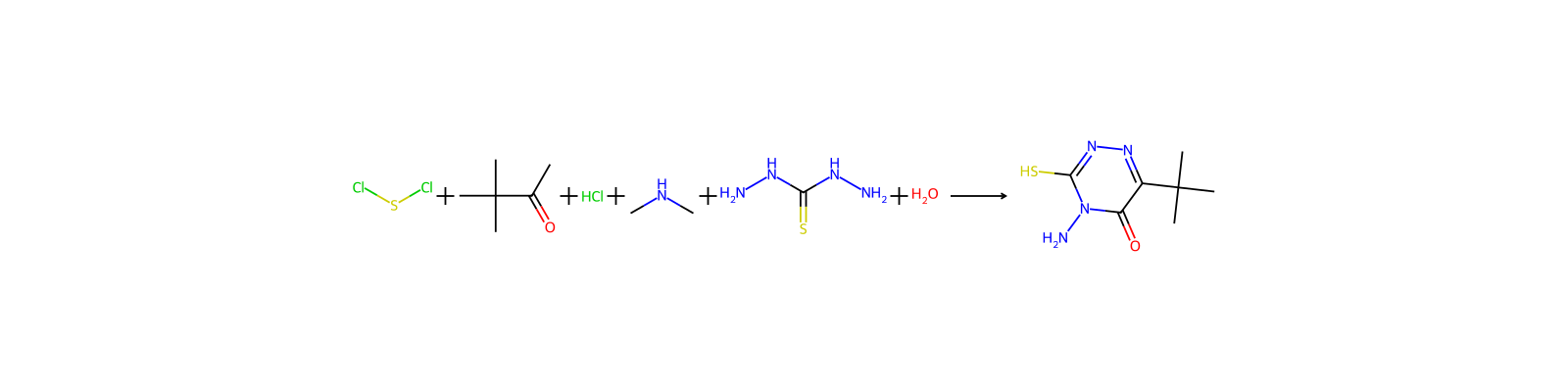
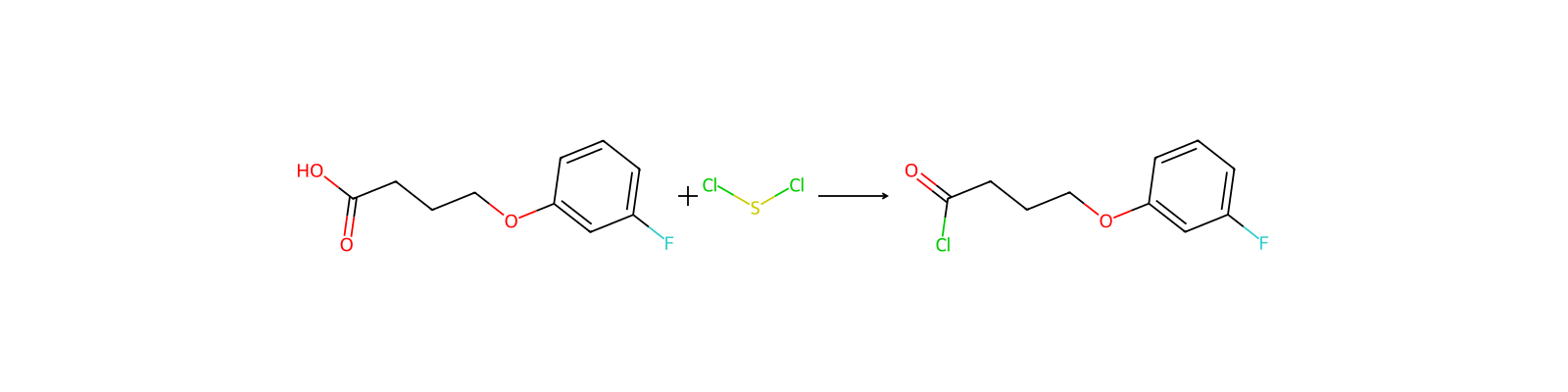
Zugehörige Reaktionen
110



Verknüpfte Notizen
Wird geladen…