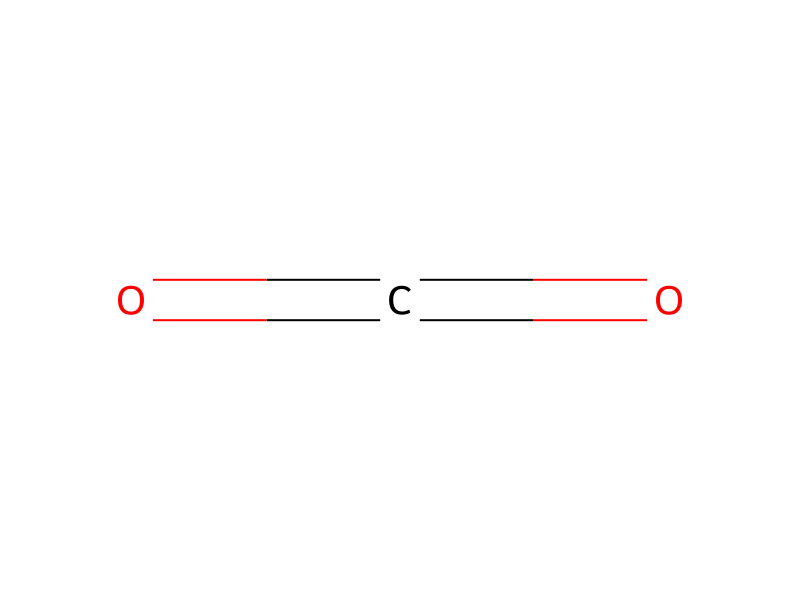
[C:1]([C:3]1[C:4](=[O:21])[NH:5][N:6]=[C:7]([C:15]2[CH:20]=[CH:19][CH:18]=[CH:17][CH:16]=2)[C:8]=1[C:9]1[CH:14]=[CH:13][CH:12]=[CH:11][CH:10]=1)#[N:2].[OH-].[K+].C1(=O)O[CH2:27][CH2:26][O:25]1.C(=O)=O>CN(C)C=O>[OH:25][CH2:26][CH2:27][N:5]1[C:4](=[O:21])[C:3]([C:1]#[N:2])=[C:8]([C:9]2[CH:14]=[CH:13][CH:12]=[CH:11][CH:10]=2)[C:7]([C:15]2[CH:20]=[CH:19][CH:18]=[CH:17][CH:16]=2)=[N:6]117.7 grams (0.065 mole) of the product of Example 1 was dissolved in 60 mls of dry dimethylformamide along with 0.25 grams of potassium hydroxide and 7.5 grams (0.085 mole) of ethylene carbonate. The mixture was heated to 100° C. and maintained for 2 hours until no carbon dioxide was liberated. The solution was then heated at 110° C. for 30 minutes. The solution was filtered and the dimethylformamide was distilled under reduced pressure with a mechanical pump. The solid was dried in a drying pistol using xylene as the solvent. The residual solid was recrystallized from ethyl alcohol to give 10.4 grams (50%) yield of a solid melting at 197°-198° C. Calculated for C19H15N3O2, C, 71.9; H, 4.8; N, 13.2. Found: C, 71.7; H, 4.71; N, 13.5. The infrared spectra showed the OH group at 2.9μ, the nitrile band at 4.5μ, and the carbonyl band at 6.0μ. The NMR confirmed that the product was the desired material.