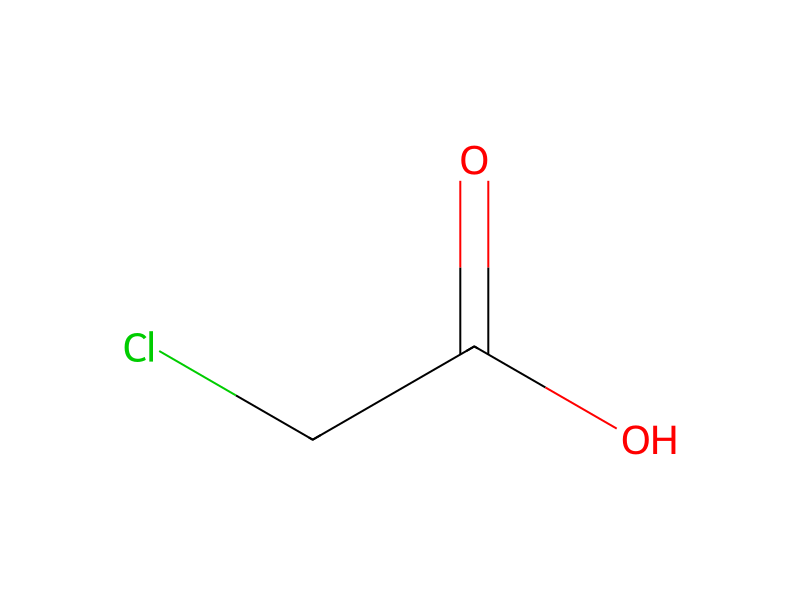
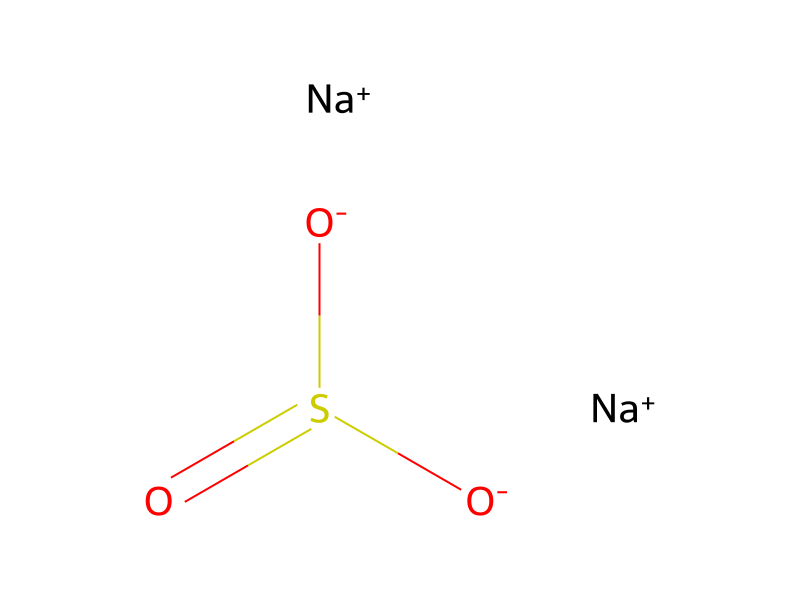
A 100 mL round bottom flask equipped with a reflux condenser, thermometer, and magnetic stirrer was charged with 4.6 g (37 mmol) of sodium sulfite, 12.3 g (146 mmol) of sodium bicarbonate and 40 mL of water. The resulting slurry was heated to 75° C. and 10 g (33 mmol) of 2-chloro-4-(chlorosulfonyl)benzoyl chloride was added slowly. After stirring at 75° C. for 2 hours, 6.4 g (55 mmol) of the sodium salt of chloroacetic acid was added and the reaction mixture heated at reflux for 21 hours. The cooled reaction mixture was acidified with dilute HCl and extracted with ethyl acetate. The organic layer was dried with magnesium sulfate and evaporated to dryness to afford 7.5 g of 2-chloro-4-(methylsulfonyl)benzoic acid as a white solid. This material was shown to be 87% pure, representing an 85% overall yield.