StartseiteMCPWorkbenchSkills
StartseiteWorkbenchBenachrichtigungenMein Bereich
llms.txt · MCP-AnleitungDatenschutz · Nutzungsbedingungen · Supportv1.8.3
  1. Startseite
  2. /Reaktion

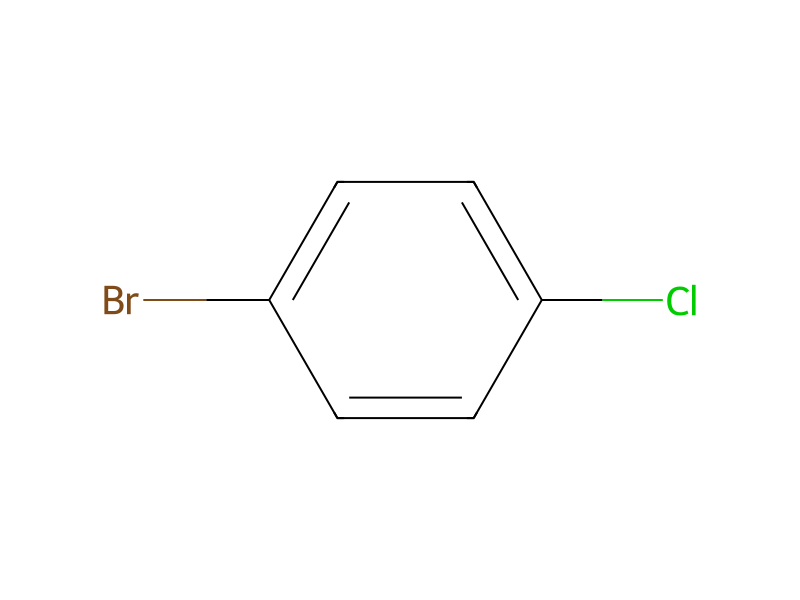
p-Bromochlorobenzene → 4-(4-Chloro-phenyl)-4-hydroxy-3,3-dimethyl-piperidine-1-carboxylic acid tert-butyl ester

HRID 472886
Drucken

Reaktionsgleichung

Reaktionsgleichung von HRID 472886
Br[C:2]1[CH:7]=[CH:6][C:5]([Cl:8])=[CH:4][CH:3]=1.C([Li])CCC.[CH3:14][C:15]1([CH3:29])[C:20](=[O:21])[CH2:19][CH2:18][N:17]([C:22]([O:24][C:25]([CH3:28])([CH3:27])[CH3:26])=[O:23])[CH2:16]1>C1COCC1>[Cl:8][C:5]1[CH:6]=[CH:7][C:2]([C:20]2([OH:21])[CH2:19][CH2:18][N:17]([C:22]([O:24][C:25]([CH3:27])([CH3:26])[CH3:28])=[O:23])[CH2:16][C:15]2([CH3:29])[CH3:14])=[CH:3][CH:4]=1
KomponentenReaktionsbedingungenVersuchsvorschriftAufarbeitungQuellen und NachweiseNotizen zur Reaktion

Komponenten

5

Edukt 3

HCID 7806p-BromochlorobenzeneHCID 22278899tert-Butyl 3,3-dimethyl-4-oxopiperidine-1-carboxylateHCID 178418339Butyllithium

Produkt 1

HCID 593412124-(4-Chloro-phenyl)-4-hydroxy-3,3-dimethyl-piperidine-1-carboxylic acid tert-butyl esterAusbeute 86,2 %

Reagenzien, Katalysatoren, Lösungsmittel 1

HCID 8028
Tetrahydrofuran
Lösungsmittel
2×

Reaktionsbedingungen

Temperatur
-78 °C

Versuchsvorschrift

A solution of 4-bromochlorobenzene (136.6 g, 0.71 mol) in anhydrous THF (1000 mL) was cooled to −78° C., and then treated dropwise with a 1.6 M solution of n-butyllithium in hexanes (466 mL, 0.75 mol) at a rate which maintained the internal temperature below −60° C. The resulting mixture was stirred at −78° C. for 1.5 hours, during which a precipitate was observed. The resulting suspension was treated dropwise with a solution of tert-butyl 3,3-dimethyl-4-oxopiperidine-1-carboxy late (73.7 g, 0.32 mol) in anhydrous THF (400 mL) at a rate which maintained the internal temperature below −60° C. The mixture was stirred at −78° C. for 2 hours, during which a clear solution was observed. The reaction mixture was quenched with saturated ammonium chloride (300 mL) and the resulting mixture was allowed to come to room temperature. The aqueous and organic layers were separated, and the organic phase was concentrated in vacuo to yield a residue. The aqueous phase was extracted 2× with ethyl acetate (300 mL). The combined extracts were added to the residue from the original organic phase, and the resulting mixture was diluted to 1200 mL with ethyl acetate. The resulting solution was washed 2× with water (300 mL), once with brine, dried over sodium sulfate, and concentrated in vacuo to yield a residue. The residue was digested with boiling hexanes (300 mL), and the resulting suspension was cooled to room temperature. Once at the prescribed temperature, white solids were collected by filtration, and washed 2× with hexanes and then air dried to yield the title compound as a powder (93.7 g, 85% yield).

Aufarbeitung

  1. temperaturemaintained the internal temperature below −60° C
  2. temperaturemaintained the internal temperature below −60° C
  3. stirringThe mixture was stirred at −78° C. for 2 hours, during which a clear solution
  4. customThe reaction mixture was quenched with saturated ammonium chloride (300 mL)
  5. customto come to room temperature
  6. customThe aqueous and organic layers were separated
  7. concentrationthe organic phase was concentrated in vacuo
  8. customto yield a residue
  9. extractionThe aqueous phase was extracted 2× with ethyl acetate (300 mL)
  10. additionThe combined extracts were added to the residue from the original organic phase
  11. additionthe resulting mixture was diluted to 1200 mL with ethyl acetate
  12. washThe resulting solution was washed 2× with water (300 mL)
  13. dry with materialonce with brine, dried over sodium sulfate
  14. concentrationconcentrated in vacuo
  15. customto yield a residue
  16. temperaturethe resulting suspension was cooled to room temperature
  17. filtrationOnce at the prescribed temperature, white solids were collected by filtration
  18. washwashed 2× with hexanes
  19. customair dried

Quellen und Nachweise

ORD-Eintrag
ord-3ea4b196ecb94f3fb6a426c0ea65ea1f
Quelldatensatz
uspto-grants-2014_01
DOI
10.6084/m9.figshare.5104873.v1
Patentnummer
US08633226B2

Notizen zur Reaktion

Auf dieser SeiteKomponentenReaktionsbedingungenVersuchsvorschriftAufarbeitungQuellen und NachweiseNotizen zur Reaktion

