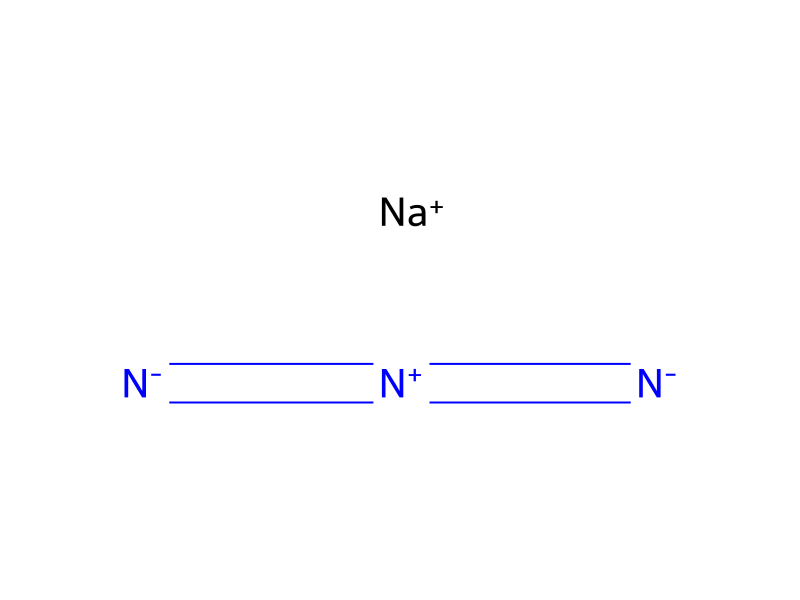
[F:1][CH2:2][C:3]1[CH:4]=[C:5]([CH:10]=[C:11]([CH2:13]O)[CH:12]=1)[C:6]([O:8][CH3:9])=[O:7].[N-:15]=[N+:16]=[N-:17].[Na+].C(Br)(Br)(Br)Br.C1(P(C2C=CC=CC=2)C2C=CC=CC=2)C=CC=CC=1>CN(C=O)C.C(N(CC)CC)C>[N:15]([CH2:13][C:11]1[CH:10]=[C:5]([CH:4]=[C:3]([CH2:2][F:1])[CH:12]=1)[C:6]([O:8][CH3:9])=[O:7])=[N+:16]=[N-:17]Methyl 3-fluoromethyl-5-hydroxymethylbenzoate (34) (2.30 g, 11.6 mmol) was dried for 24 hours. Sodium azide (3.77 g, 58.1 mmol), carbon tetrabromide (4.24 g, 12.1 mmol), and triphenylphosphine (3.66 g, 13.9 mmol) were dried for 48 hours. Under Ar atmosphere, these were mixed with triethylamine (3.6 mL), dissolved in DMF (88 mL), and stirred for 93 hours at a room temperature. TLC was used to confirm the progress of the reaction. Then, the mixture was extracted with EtOAc. The organic layer was washed with a saturated sodium chloride aqueous solution, dried over anhydrous sodium sulfate, and evaporated under reduced pressure to remove the solvent. The residue was purified by neutral silica gel column chromatography (hexane:EtOAc=10:1) to isolate methyl 3-azidomethyl-5-fluoromethylbenzoate (35) (1.37 g, 53%) as a pale yellow oil.