Sodium Carbonate → 2-(4-Chlorophenoxy)-3-(2-methylpyridin-4-yl)pyridine
HRID 473610
Reaktionsgleichung

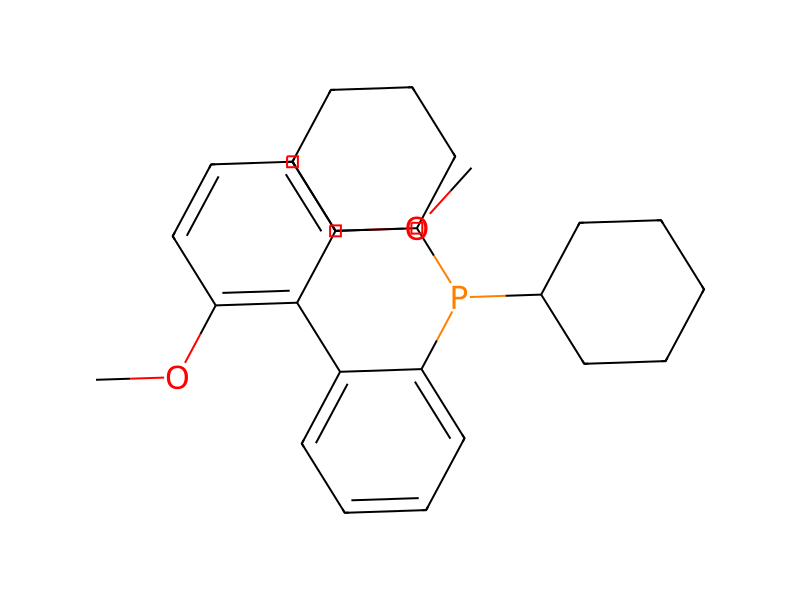
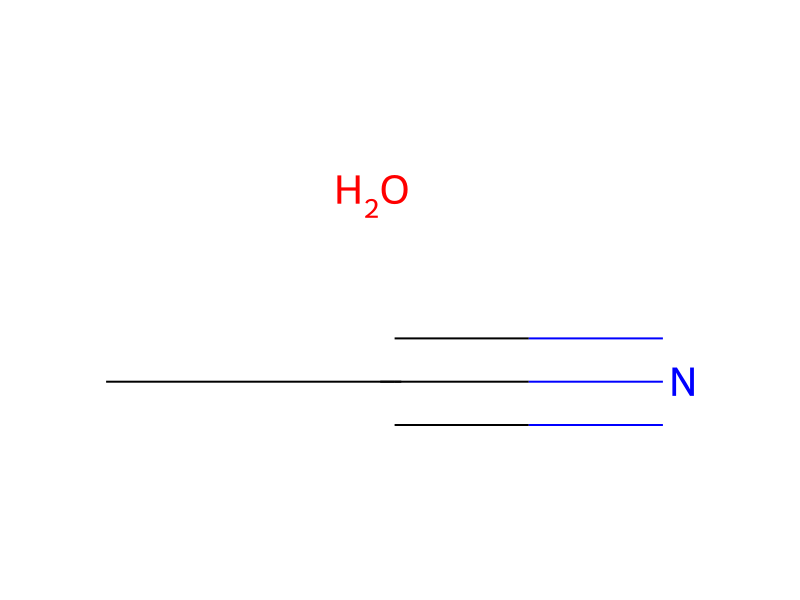
Br[C:2]1[C:3]([O:8][C:9]2[CH:14]=[CH:13][C:12]([Cl:15])=[CH:11][CH:10]=2)=[N:4][CH:5]=[CH:6][CH:7]=1.[CH3:16][C:17]1[CH:22]=[C:21](B(O)O)[CH:20]=[CH:19][N:18]=1.C(=O)([O-])[O-].[Na+].[Na+].COC1C=CC=C(OC)C=1C1C=CC=CC=1P(C1CCCCC1)C1CCCCC1>C1C=CC(/C=C/C(/C=C/C2C=CC=CC=2)=O)=CC=1.C1C=CC(/C=C/C(/C=C/C2C=CC=CC=2)=O)=CC=1.C1C=CC(/C=C/C(/C=C/C2C=CC=CC=2)=O)=CC=1.[Pd].[Pd].C(#N)C.O>[Cl:15][C:12]1[CH:13]=[CH:14][C:9]([O:8][C:3]2[C:2]([C:21]3[CH:20]=[CH:19][N:18]=[C:17]([CH3:16])[CH:22]=3)=[CH:7][CH:6]=[CH:5][N:4]=2)=[CH:10][CH:11]=1Komponenten
7