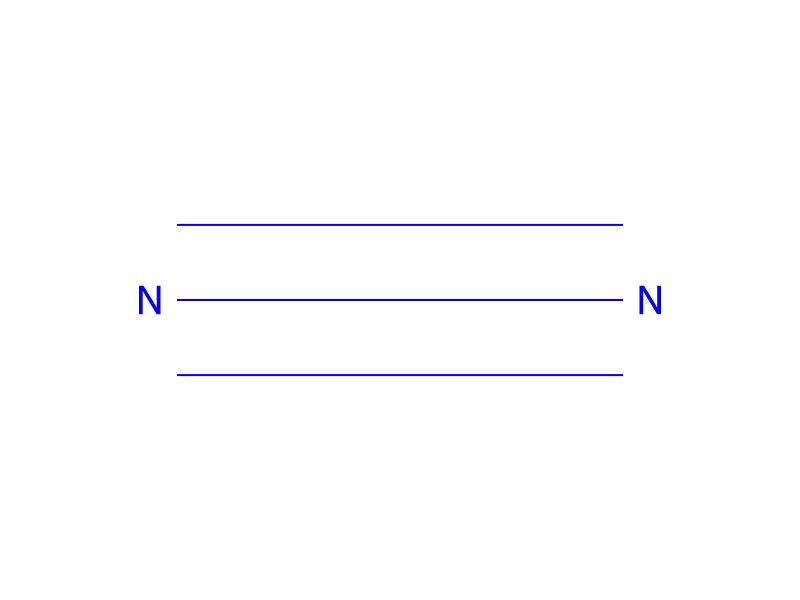
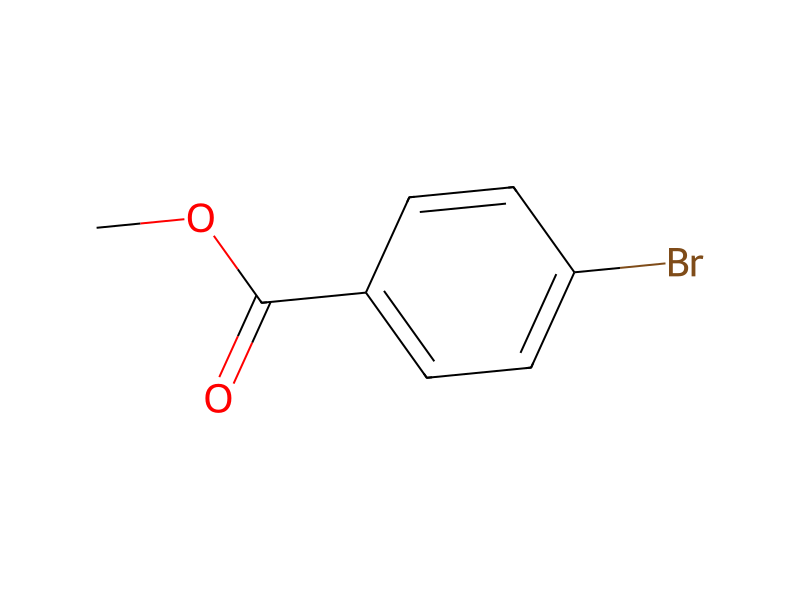
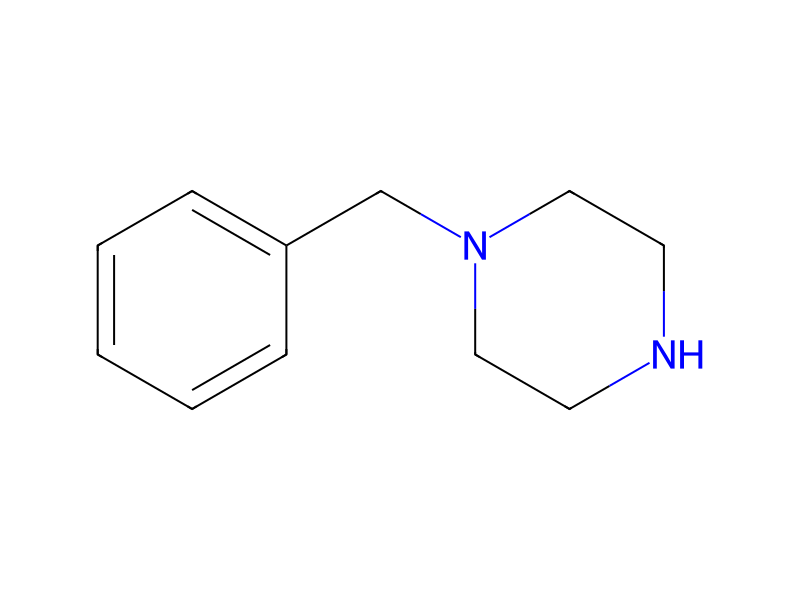
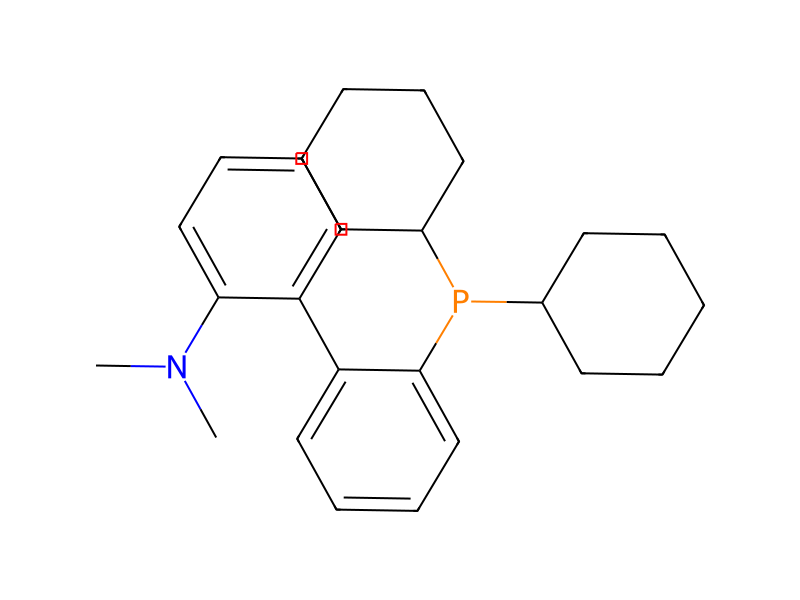
Nitrogen → 4-(4-Benzyl-piperazin-1-YL)-benzoic acid methyl ester
HRID 478631
Reaktionsgleichung

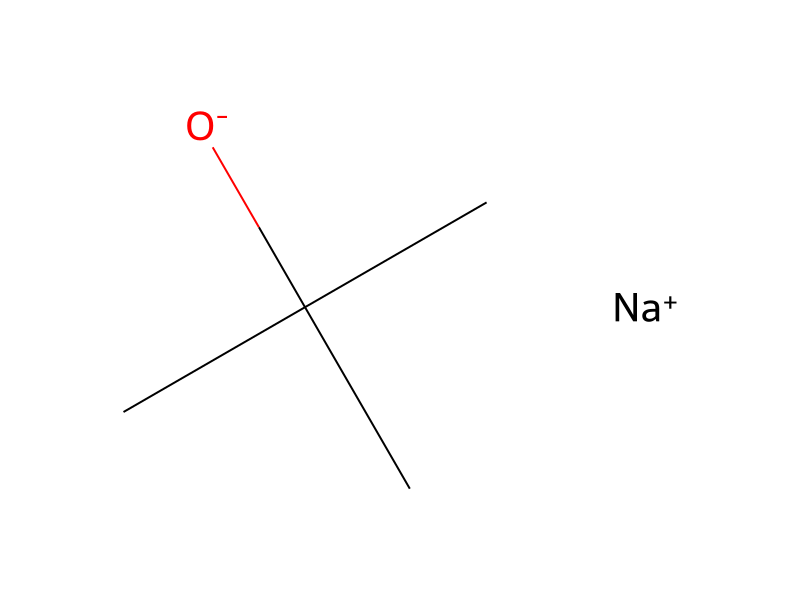
C1(P(C2CCCCC2)C2C=CC=CC=2C2C=CC=CC=2N(C)C)CCCCC1.CC([O-])(C)C.[Na+].O=O.N#N.[CH3:39][O:40][C:41](=[O:49])[C:42]1[CH:47]=[CH:46][C:45](Br)=[CH:44][CH:43]=1.[CH2:50]([N:57]1[CH2:62][CH2:61][NH:60][CH2:59][CH2:58]1)[C:51]1[CH:56]=[CH:55][CH:54]=[CH:53][CH:52]=1>C1(C)C=CC=CC=1.C(OCC)C.C(OC(=O)C)C>[CH3:39][O:40][C:41](=[O:49])[C:42]1[CH:47]=[CH:46][C:45]([N:60]2[CH2:61][CH2:62][N:57]([CH2:50][C:51]3[CH:52]=[CH:53][CH:54]=[CH:55][CH:56]=3)[CH2:58][CH2:59]2)=[CH:44][CH:43]=1