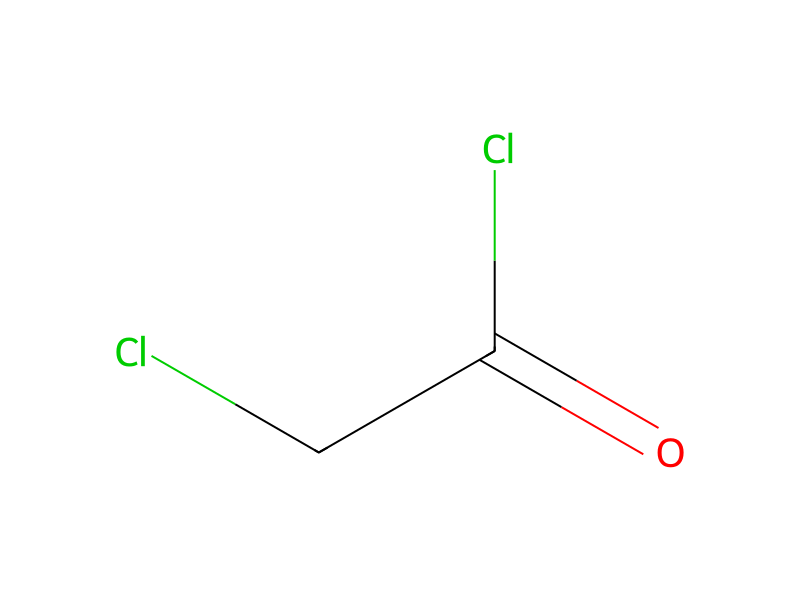
[CH2:1]([O:8][C:9]1[CH:14]=[CH:13][CH:12]=[CH:11][C:10]=1[C@@H:15]1[CH2:20][CH2:19][CH2:18][CH2:17][C@H:16]1[OH:21])[C:2]1[CH:7]=[CH:6][CH:5]=[CH:4][CH:3]=1.[Cl:22][CH2:23][C:24](Cl)=[O:25].C(OCC)(=O)C.C(=O)(O)[O-].[Na+]>C(Cl)Cl.CN(C)C1C=CN=CC=1.CCCCCC>[Cl:22][CH2:23][C:24]([O:21][C@@H:16]1[CH2:17][CH2:18][CH2:19][CH2:20][C@H:15]1[C:10]1[CH:11]=[CH:12][CH:13]=[CH:14][C:9]=1[O:8][CH2:1][C:2]1[CH:3]=[CH:4][CH:5]=[CH:6][CH:7]=1)=[O:25]In a 1 L round bottom flask equipped with a magnetic stirrer, thermometer and condenser is placed 65 g (0.23 mol) of trans-2-(2'-benzyloxyphenyl)cyclohexanol. This is dissolved in 200 ml of methylenechloride, and then 28.5 g (0.25 mol) of chloroacetyl chloride is added followed by 0.14 g (0.001 mol) of 4-dimethylaminopyridine. The mixture is heated to reflux and monitored by TLC (silica gel: 20% ethyl acetate, hexane). After 4 hours TLC shows the reaction to be complete, it is cooled to room temperature and 200 ml of saturated sodium bicarbonate is added. The reaction mixture is stirred rapidly for another 3 hours. The organic phase is then separated, dried with anhydrous potassium carbonate, filtered and evaporated under reduced pressure to yield 90 g of an amber oil. This oil is dissolved in 100 ml of hexane from which it crystallizes to afford 74 g of off-white solid trans-2-(2'-benzyloxyphenyl)cyclohexyl chloroacetate, which is used directly in the next step.