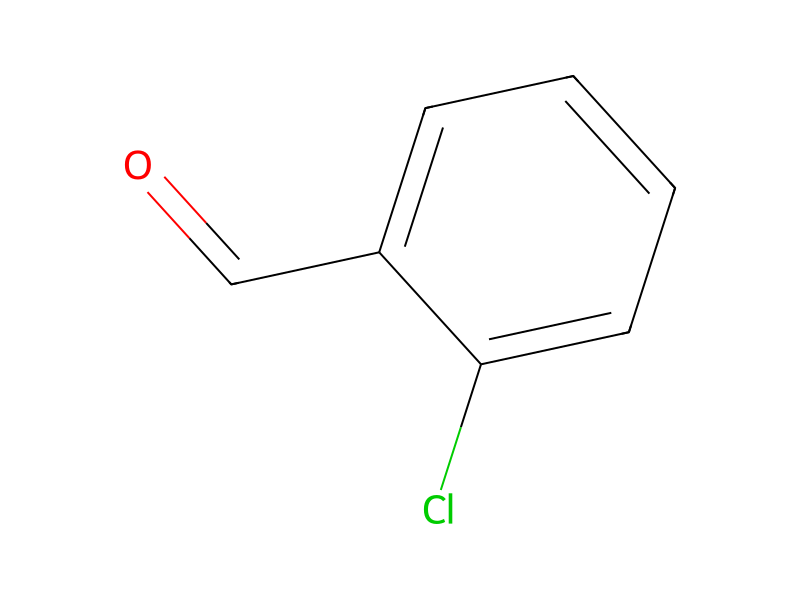
4-(2-Chlorophenyl)-5-cyano-6-(t-butyldimethylsilyl-oxy)methyl-4,7-dihydro-2H-pyrazolo[3,4-b]pyridine was prepared from ethyl t-butyldimethylsilyloxyacetate, 2-chlorobenzaldehyde and 3-aminopyrazole in the same manner as in Example 1001. To a solution of 4-(2-chlorophenyl)-5-cyano-6-(t-butyldimethylsilyloxy)methyl-4,7-dihydro-2H-pyrazolo[3,4-b]pyridine (20 g) in tetrahydrofuran (200 mL) was added a THF solution (49.9 mL) of 1.0 M tetrabutylammonium fluoride and the mixture was stirred at room temperature for 1 hour. To the reaction mixture was added ethyl acetate (800 mL), and the resulting mixture was washed with a saturated aqueous sodium chloride solution and dried over anhydrous magnesium sulfate. The solvent was evaporated and the obtained residue was crystallized from ethyl acetate to give 4-(2-chlorophenyl)-5-cyano-6-hydroxymethyl-4,7-dihydro-2H-pyrazolo[3,4-b]pyridine (12.7 g) as a white solid. To a solution of 4-(2-chlorophenyl)-5-cyano-6-hydroxymethyl-4,7-dihydro-2H-pyrazolo[3,4-b]pyridine (12.7 g) and carbon tetrabromide (15.4 g) in methylene chloride (340 mL) was added triphenylphosphine (12.2 g) in methylene chloride (100 mL) under ice-cooling and the mixture was stirred at room temperature for 13 hours. The reaction mixture was concentrated under reduced pressure and the obtained residue was purified by silica gel column chromatography (eluent:hexane-ethyl acetate (1:1)) to give 4-(2-chlorophenyl)-5-cyano-6-bromomethyl-4,7-dihydro-2H-pyrazolo[3,4-b]pyridine (3.84 g) as a pale-yellow solid. To a suspension of sodium hydride (60 mg) in DMF (10 mL) was added 1-(naphthalen-1-yl)piperazine (334 mg) and the mixture was stirred under ice-cooling for 30 minutes. To this reaction mixture was added a solution of 4-(2-chlorophenyl)-5-cyano-6-bromomethyl-4,7-dihydro-2H-pyrazolo[3,4-b]pyridine (500 mg) under ice-cooling and the mixture was stirred under ice-cooling for 6 hours. To the reaction mixture was added water and the mixture was extracted with ethyl acetate. The extract was washed with a saturated aqueous sodium chloride solution and dried over anhydrous magnesium sulfate. The solvent was evaporated and the obtained residue was purified by silica gel column chromatography (eluent:ethyl acetate-methanol (1:1)). The obtained oil was treated with hydrogen chloride-methanol to give the title compound (370 mg) as white crystals.