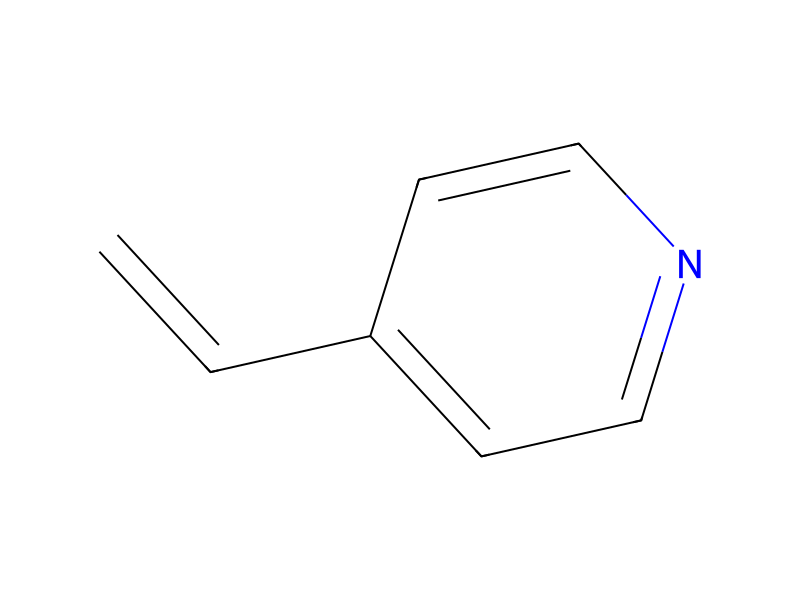
[C:1]([N:8]1[CH2:13][CH2:12][NH:11][CH2:10][CH2:9]1)([O:3][C:4]([CH3:7])([CH3:6])[CH3:5])=[O:2].[CH:14]([C:16]1[CH:21]=[CH:20][N:19]=[CH:18][CH:17]=1)=[CH2:15].C(O)(=O)C>C(O)C>[C:1]([N:8]1[CH2:9][CH2:10][N:11]([CH2:15][CH2:14][C:16]2[CH:21]=[CH:20][N:19]=[CH:18][CH:17]=2)[CH2:12][CH2:13]1)([O:3][C:4]([CH3:7])([CH3:6])[CH3:5])=[O:2]1-Boc-piperazine (30 g, 285 mmol), 4-vinylpyridine (40 g, 216 mmol) and acetic acid (12.9 g, 215 mmol) were mixed in ethanol (400 mL) and heated to reflux for 18 h. The mixture was cooled to room temperature and concentrated under vacuum. The residue was dissolved in water and ethyl acetate and neutralized with satd NaHCO3. The layers were separated. The water layer was extracted with ethyl acetate. The organic layers were combined, washed with brine, dried (Na2SO4), filtered and concentrated. The crude product was purified by SiO2 chromatography to provide 1-Boc-4-[2-(4-pyridinyl)ethyl]piperazine (55.9 g, 87%) as an off white solid.