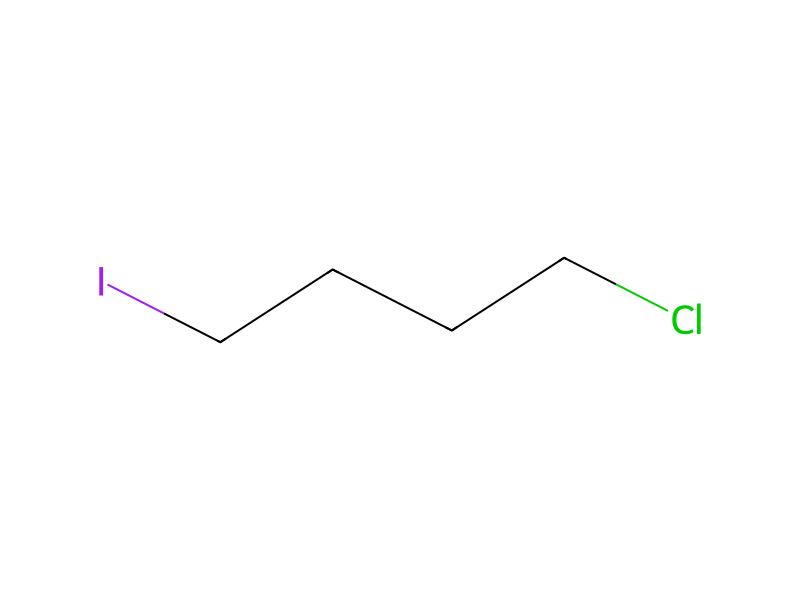
[CH2:1]([N:8]([CH2:22][C:23]1[CH:28]=[CH:27][CH:26]=[CH:25][CH:24]=1)[C:9]1[C:18]2[N:19]=[CH:20][NH:21][C:17]=2[C:16]2[CH:15]=[CH:14][CH:13]=[CH:12][C:11]=2[N:10]=1)[C:2]1[CH:7]=[CH:6][CH:5]=[CH:4][CH:3]=1.[H-].[Na+].[Cl:31][CH2:32][CH2:33][CH2:34][CH2:35]I>CN(C)C=O>[CH2:22]([N:8]([CH2:1][C:2]1[CH:3]=[CH:4][CH:5]=[CH:6][CH:7]=1)[C:9]1[C:18]2[N:19]=[CH:20][N:21]([CH2:35][CH2:34][CH2:33][CH2:32][Cl:31])[C:17]=2[C:16]2[CH:15]=[CH:14][CH:13]=[CH:12][C:11]=2[N:10]=1)[C:23]1[CH:28]=[CH:27][CH:26]=[CH:25][CH:24]=1A round bottom flask was charged with a magnetic stir bar, N,N-dibenzyl-1H-imidazo[4,5-c]quinolin-4-amine (20.0 g, 55.04 mmol), sodium hydride (3.3 g, 60% dispersion, 82.56 mmol), and anhydrous dimethyl formamide (275 mL) under a nitrogen atmosphere. After the reaction mixture had stirred at ambient temperature for 2 hours, 4-chloro-1-iodobutane (19.23 g, 88.06 mmol) was added and the resulting homogeneous solution was stirred at ambient temperature for 48 hours at which time the starting material was consumed. The solution was partitioned between ethyl acetate and water. The layers were separated and the organic layer was washed with saturated aqueous sodium bicarbonate and brine, dried over anhydrous sodium sulfate, filtered and then concentrated under reduced pressure to afford a light yellow solid. The material was recrystallized from ethyl acetate and hexanes to give N,N-dibenzyl-1-(4-chlorobutyl)-1H-imidazo[4,5-c]quinolin-4-amine (20.7 g, 45.49 mmol) as white needles. MS (CI) for C28H27ClN4 m/z 455 (MH+), 365, 329, 239.
Wird geladen…