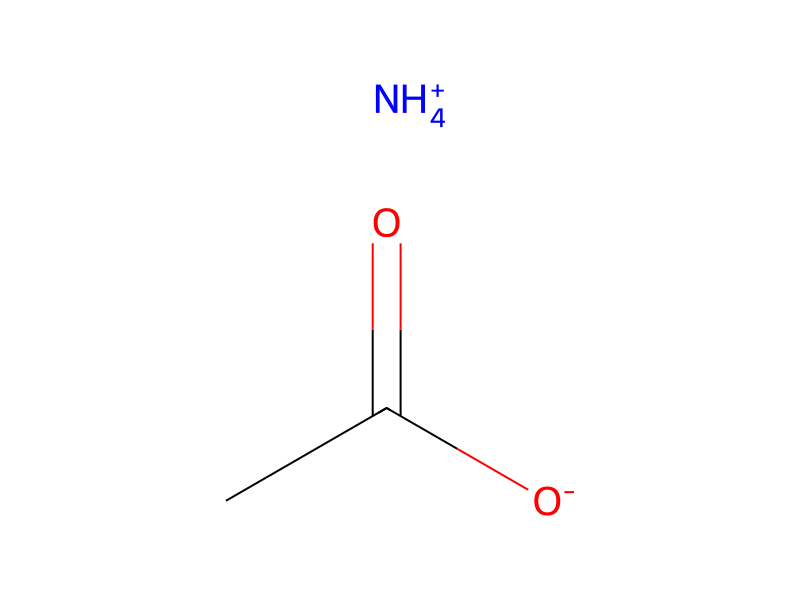
[C:1]([C:4]1[CH:5]=[C:6]([Cl:20])[C:7]([CH3:19])=[C:8]([C:17]#[N:18])[C:9]=1[C:10]1[CH:15]=[CH:14][CH:13]=[C:12]([F:16])[CH:11]=1)(=O)[CH3:2].C([O-])(=O)C.[NH4+].C([BH3-])#[N:27].[Na+]>CO.C(#N)C>[NH2:27][CH:1]([C:4]1[CH:5]=[C:6]([Cl:20])[C:7]([CH3:19])=[C:8]([C:17]#[N:18])[C:9]=1[C:10]1[CH:15]=[CH:14][CH:13]=[C:12]([F:16])[CH:11]=1)[CH3:2]A mixture of 6-acetyl-4-chloro-3′-fluoro-3-methylbiphenyl-2-carbonitrile (50 mg, 0.2 mmol) and ammonium acetate (130 mg, 1.7 mmol) in methanol (0.98 mL) and acetonitrile (0.99 mL) was heated at 65° C. in a sealed tube for 30 min. After the mixture was cooled, sodium cyanoborohydride (22 mg, 0.35 mmol) was added. The reaction was heated at 65° C. for another 4 hours, then cooled to room temperature and quenched with saturated sodium bicarbonate and extracted with dichloromethane. The combined extracts were dried over magnesium sulfate and evaporated to dryness. The residue was used directly in next step. LCMS calculated for C16H15ClFN2 (M+H)+: m/z=289.1. found: 289.1.