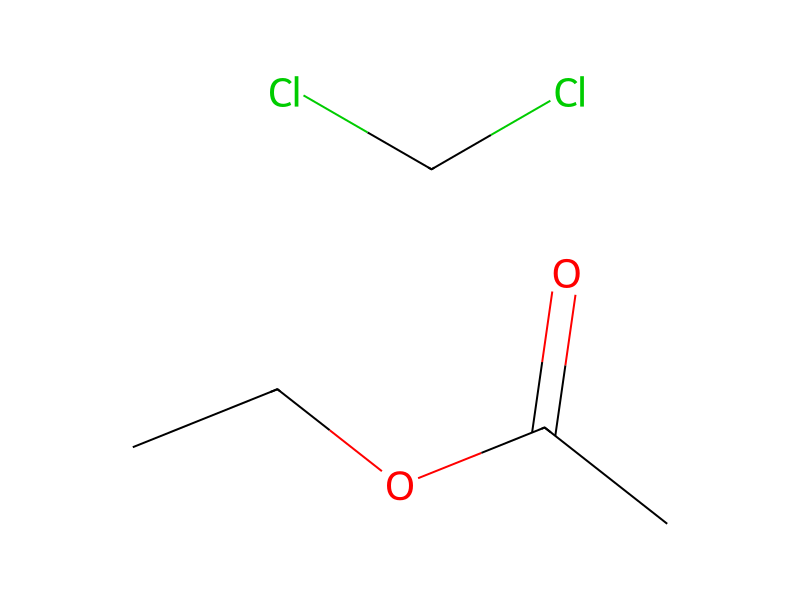
[C:1]([O:5][C:6]([N:8]1[CH2:13][CH2:12][CH:11]([NH2:14])[CH2:10][CH2:9]1)=[O:7])([CH3:4])([CH3:3])[CH3:2].Cl[C:16]1[CH:21]=[CH:20][C:19]([C:22]([F:25])([F:24])[F:23])=[CH:18][N:17]=1.C(=O)([O-])[O-].[K+].[K+].Cl>CS(C)=O.ClCCl.C(OC(=O)C)C.O>[C:1]([O:5][C:6]([N:8]1[CH2:13][CH2:12][CH:11]([NH:14][C:16]2[CH:21]=[CH:20][C:19]([C:22]([F:25])([F:24])[F:23])=[CH:18][N:17]=2)[CH2:10][CH2:9]1)=[O:7])([CH3:4])([CH3:2])[CH3:3]A solution of 4-amino-piperidine-1-carboxylic acid tert-butyl ester (400 mg; 2.0 mmol), 2-chloro-5-trifluoromethyl-pyridine (362 mg; 2.0 mmol) and potassium carbonate (280 mg; 2.0 mmol) in dimethylsulfoxide (3 mL) is heated 10 hours at 120° C. The reaction is then cooled to room temperature, water (20 mL) is added and the pH is set to 4-5 by addition of aq. 1N hydrochloric acid. The aqueous layer is then extracted with dichloromethane (4×20 mL), the combined organic layers are dried over magnesium sulfate, filtered and concentrated under reduced pressure. The residue obtained is finally purified by column chromatography on silica gel (dichloromethane and then dichloromethane:ethylacetate 8:1) to afford the desired product (380 mg; 1.10 mmol).
Wird geladen…