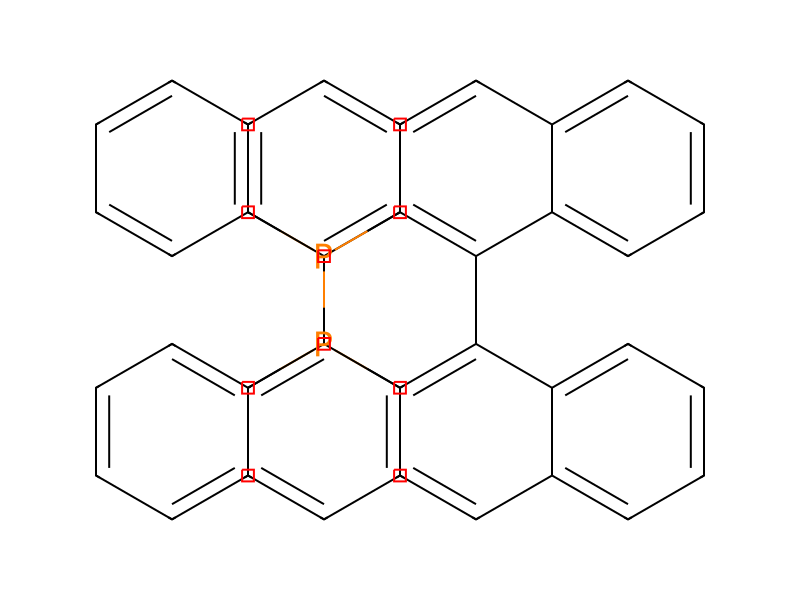
Binap, (A+-)- → 4-[4-(4-trifluoromethyl-phenyl)-piperazin-1-yl]-N-[1-(4-trifluoromethylsulfanyl-phenyl)-piperidin-4-yl]-butyramide
Reaktionsgleichung

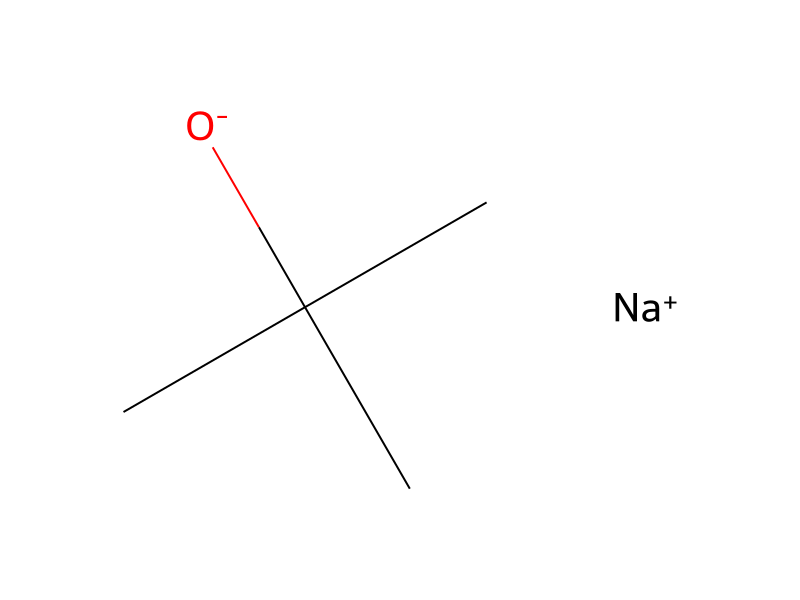
C1(P(C2C=CC=CC=2)C2C=CC3C(=CC=CC=3)C=2C2C3C(=CC=CC=3)C=CC=2P(C2C=CC=CC=2)C2C=CC=CC=2)C=CC=CC=1.CC(C)([O-])C.[Na+].Br[C:54]1[CH:59]=[CH:58][C:57]([S:60][C:61]([F:64])([F:63])[F:62])=[CH:56][CH:55]=1.[NH:65]1[CH2:70][CH2:69][CH:68]([NH:71][C:72](=[O:92])[CH2:73][CH2:74][CH2:75][N:76]2[CH2:81][CH2:80][N:79]([C:82]3[CH:87]=[CH:86][C:85]([C:88]([F:91])([F:90])[F:89])=[CH:84][CH:83]=3)[CH2:78][CH2:77]2)[CH2:67][CH2:66]1>C1(C)C=CC=CC=1.C(OCC)(=O)C.C1C=CC(/C=C/C(/C=C/C2C=CC=CC=2)=O)=CC=1.C1C=CC(/C=C/C(/C=C/C2C=CC=CC=2)=O)=CC=1.C1C=CC(/C=C/C(/C=C/C2C=CC=CC=2)=O)=CC=1.[Pd].[Pd]>[F:91][C:88]([F:89])([F:90])[C:85]1[CH:86]=[CH:87][C:82]([N:79]2[CH2:80][CH2:81][N:76]([CH2:75][CH2:74][CH2:73][C:72]([NH:71][CH:68]3[CH2:69][CH2:70][N:65]([C:54]4[CH:59]=[CH:58][C:57]([S:60][C:61]([F:64])([F:63])[F:62])=[CH:56][CH:55]=4)[CH2:66][CH2:67]3)=[O:92])[CH2:77][CH2:78]2)=[CH:83][CH:84]=1Komponenten
8