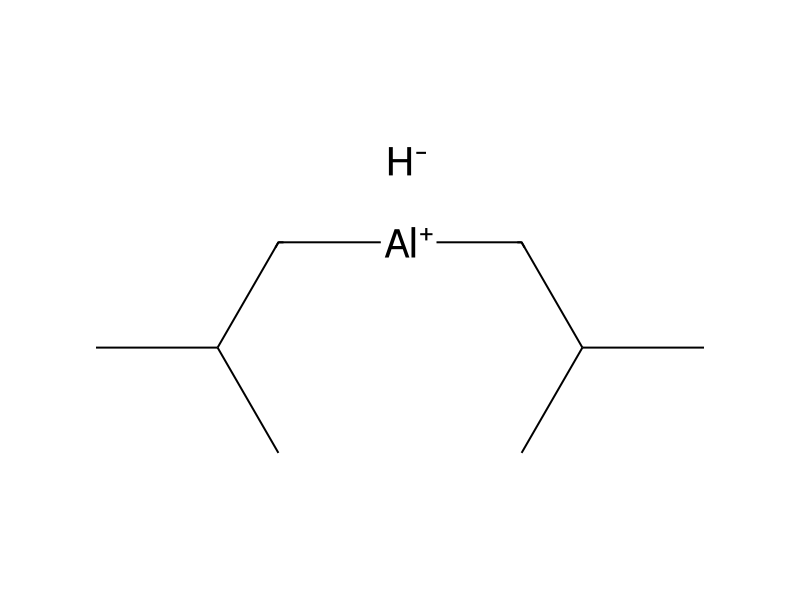
A solution of the early-eluting, S,S-diastereomer ([(1S,2S)-2-(4-bromophenyl)cyclopropyl]-{(1S,5R,7R)-(10,10-dimethyl-3,3-dioxo-3λ6-thia-4-azatricyclo[5.2.1.01.5]dec-4-yl)}methanone) described in Example 29D in dichloromethane was stirred under a dry nitrogen atmosphere at −78° C. A 1 M solution of diisobutylaluminum hydride in dichloromethane was added dropwise to the mixture. When the addition was complete, the mixture was stirred at −78° C. for 3 hours. Methanol was then added dropwise at −78° C. The dry ice bath was then replaced with an ice water bath and saturated aqueous ammonium chloride was added to quench the mixture. After 10 minutes, the insoluble material was removed by filtration and the organic layer was separated, dried (MgSO4), and filtered. The filtrate was concentrated under reduced pressure, and the residue was purified by column chromatography (9:1 hexane/ethyl acetate). Fractions containing product were combined and concentrated under reduced pressure to provide the title compound.