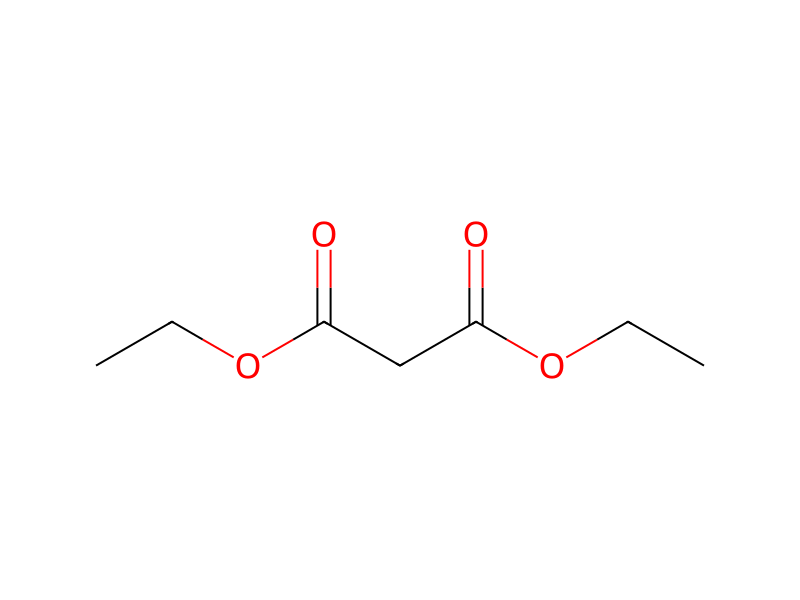
[H-].[Na+].CN(C)P(N(C)C)(N(C)C)=O.[C:14]([O:22][CH2:23][CH3:24])(=[O:21])[CH2:15][C:16]([O:18][CH2:19][CH3:20])=[O:17].[Br:25][C:26]1[CH:31]=[CH:30][C:29](I)=[CH:28][CH:27]=1>O1CCOCC1.[Cu]Br>[Br:25][C:26]1[CH:31]=[CH:30][C:29]([CH:15]([C:16]([O:18][CH2:19][CH3:20])=[O:17])[C:14]([O:22][CH2:23][CH3:24])=[O:21])=[CH:28][CH:27]=1To a solution of 60 wt %-sodium hydride (2.47 g, 61.7 mmol) in 1,4-dioxane (103 ml) and hexamethylphosphoramide (7.70 ml) was added diethyl malonate (9.88 g, 61.7 mmol) at room temperature under nitrogen atmosphere. The resulting mixture was stirred at room temperature for one hour and copper(I) bromide (10.6 g, 74.0 mmol) and 1-bromo-4-iodobenzene (19.2 g, 67.9 mmol) was added. The mixture was refluxed for 5 hours and cooled to room temperature. The solid materials were filtered off through a pad of Celite. After concentration, the residue was partitioned between water and ethyl acetate. The organic layer was dried over sodium sulfate, and concentrated in vacuo. The residue was purified by silica gel column chromatography (eluant: hexane/ethyl acetate=24/1) to afford diethyl 2-(4-bromophenyl)malonate as colorless oil (8.82 g, 41%).