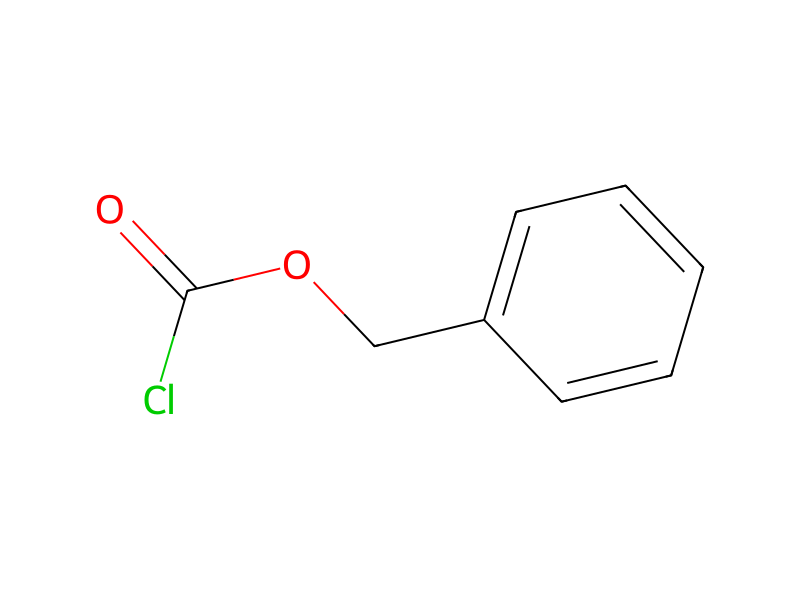
Into a 2000-mL 4-necked round-bottom flask was placed a solution of 3-aminobutanoic acid (100 g, 969.75 mmol, 1.00 equiv) in water (1000 mL), followed by the addition of potassium hydroxide (136 g, 2.42 mol, 2.50 equiv) in several batches. To this was added benzyl chloroformate (247 g, 1.45 mol, 1.50 equiv) dropwise with stirring at 0-5° C. The resulting solution was stirred at 25° C. for 5 h. The reaction progress was monitored by LCMS. The resulting solution was extracted with 3×250 mL of dichloromethane and the aqueous layers were combined. The pH value of the water phase was adjusted to 3 with hydrogen chloride (2 mol/L). The precipitates were collected by filtration and dried to afford 102 g (44%) of 3-[[(benzyloxy)carbonyl]amino]butanoic acid as a white solid.