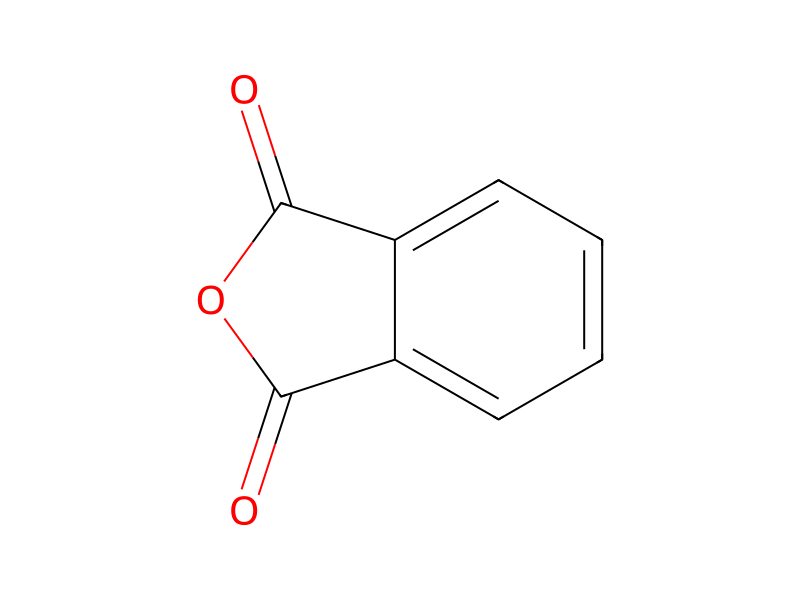
[Br:1][C:2]1[CH:14]=[CH:13][C:12]2[C:11]3[C:6](=[CH:7][CH:8]=[CH:9][CH:10]=3)[C:5]([CH3:16])([CH3:15])[C:4]=2[CH:3]=1.[C:17]1(=[O:27])[O:22][C:20](=[O:21])[C:19]2=[CH:23][CH:24]=[CH:25][CH:26]=[C:18]12.ClCCl.[Cl-].[Al+3].[Cl-].[Cl-]>O>[Br:1][C:2]1[CH:3]=[C:4]2[C:12]([C:11]3[CH:10]=[CH:9][C:8]([C:17]([C:18]4[CH:26]=[CH:25][CH:24]=[CH:23][C:19]=4[C:20]([OH:22])=[O:21])=[O:27])=[CH:7][C:6]=3[C:5]2([CH3:16])[CH3:15])=[CH:13][CH:14]=12-bromo-9,9-dimethyl-9H-fluorene (25.0 g, 0.092 mol) and phthalic anhydride (17.68 g, 0.119 mol) were placed in a reaction vessel, and added with dichloromethane (700 ml). At 0° C., aluminum chloride (18.5 g, 0.138 mol) was gradually added thereto, and the temperature was raised up to room temperature. Then, the resultant mixture was stirred for 12 hours. After the reaction was completed, the resultant product was gradually added with distilled water. The resultant product was extracted with an excess of dichloromethane, and washed several times with distilled water. After solvent removal, the produced solid was placed in a Hexane 2 l-containing vessel, washed, filtered, and dried, 2-(7-bromo-9,9-dimethyl-9H-fluorene-2-carbonyl)benzoic acid (23.2 g, yield 60%) was obtained.