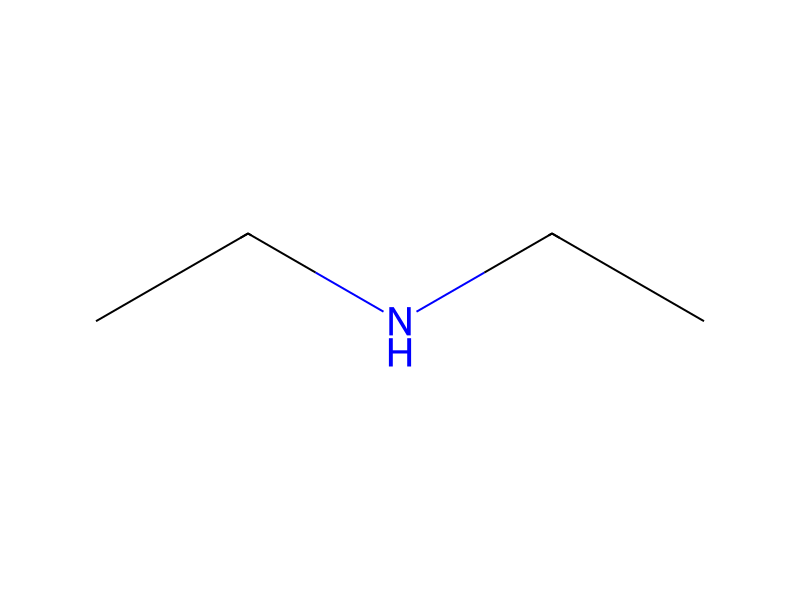
Br[C:2]1[CH:3]=[N:4][C:5]([N:8]2[CH2:13][CH2:12][N:11]([C:14]([O:16][C:17]([CH3:20])([CH3:19])[CH3:18])=[O:15])[CH2:10][CH2:9]2)=[N:6][CH:7]=1.[C:21]([CH:23]1[CH2:25][CH2:24]1)#[CH:22]>C(NCC)C.CS(C)=O.C(OCC)(=O)C.[Cu]I>[CH:23]1([C:21]#[C:22][C:2]2[CH:3]=[N:4][C:5]([N:8]3[CH2:13][CH2:12][N:11]([C:14]([O:16][C:17]([CH3:20])([CH3:19])[CH3:18])=[O:15])[CH2:10][CH2:9]3)=[N:6][CH:7]=2)[CH2:25][CH2:24]1In a sealed tube, the mixture of tert-butyl 4-(5-bromopyrimidin-2-yl)piperazine-1-carboxylate (1.0 g, 2.9 mmol), ethynylcyclopropane (482 mg, 7.3 mmol), tetrakis(triphenyl-phosphine)palladium (335 mg, 0.29 mmol) and copper(I) iodide (28 mg, 0.15 mmol) in diethylamine (10 mL) and dimethyl sulfoxide (10 mL) was stirred at 100° C. for 3 hours under nitrogen atmosphere. The mixture was then diluted with ethyl acetate (100 mL) and washed with water and brine. The organic phase was dried over sodium sulfate, filtered and concentrated. The residue was purified by silica gel chromatography eluting with petroleum ether:ethyl acetate=15:1 to afford tert-butyl 4-(5-(cyclopropylethynyl)pyrimidin-2-yl)piperazine-1-carboxylate (930 mg, 98%) as a yellow solid. MS (ES+) C18H24N4O2 requires: 328, found: 329 [M+H]+.