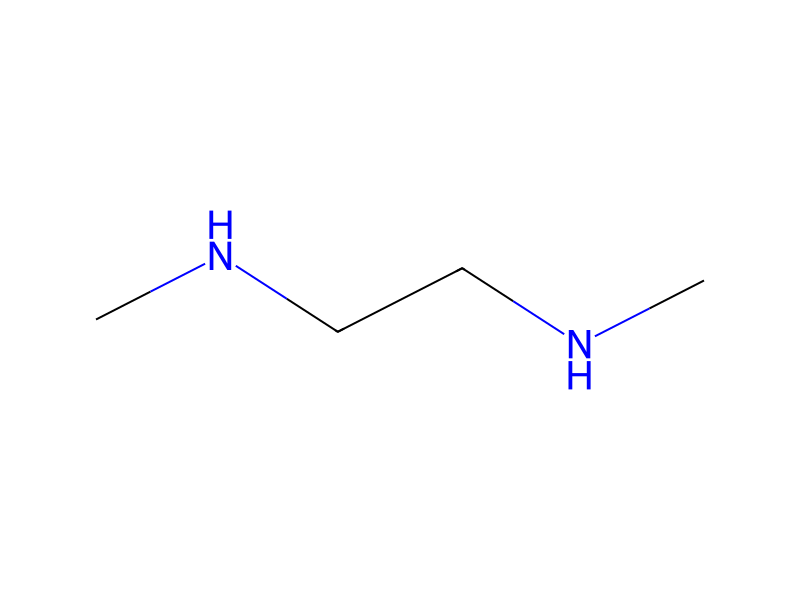
To a round bottom flask were added (S)-5,5-dimethyl-4-phenyloxazolidin-2-one (2.00 g, 10.46 mmol)(commercially available from Sigma-Aldrich, Milwaukee, Wis.), 1,4-dibromobenzene (commercially available from Sigma-Aldrich, Milwaukee, Wis.) (4.93 g), 1,4-dioxane (41.8 mL) and tribasic potassium phosphate (11.10 g, 52.3 mmol). The vessel was purged with nitrogen and then N,N′-dimethylethylenediamine (2.251 mL, 20.92 mmol) and copper (I) iodide (1.992 g, 10.46 mmol) were added. The vessel was heated at reflux overnight providing an orange suspension containing product along with two other major impurities according to LC-MS. To the mixture was added water, and the resulting slurry was transferred to a separatory funnel and extracted with EtOAc (2×). The combined organic layers were back extracted with water, separated, dried with Na2SO4, filtered, and dried under reduced pressure. The residue was purified twice using a 50 g SNAP column ramping EtOAc in heptane from 0-30% leading to coelution of product with impurity. Another run using DCM:MeOH:NH4OH (90:10:1) in DCM afforded (S)-3-(4-bromophenyl)-5,5-dimethyl-4-phenyloxazolidin-2-one (1.85 g, 5.34 mmol, 51.1% yield) as a white solid. Minor amounts of (S)-5,5-dimethyl-4-phenyloxazolidin-2-one was still present after the second purification, but the material was used as is. 1H NMR (400 MHz, DMSO-d6) δ=7.50-7.41 (m, 4H), 7.40-7.34 (m, 2H), 7.33-7.28 (m, 2H), 7.26-7.20 (m, 1H), 5.46 (s, 1H), 1.62 (s, 3H), 0.89 (s, 3H).