Reaktionsgleichung
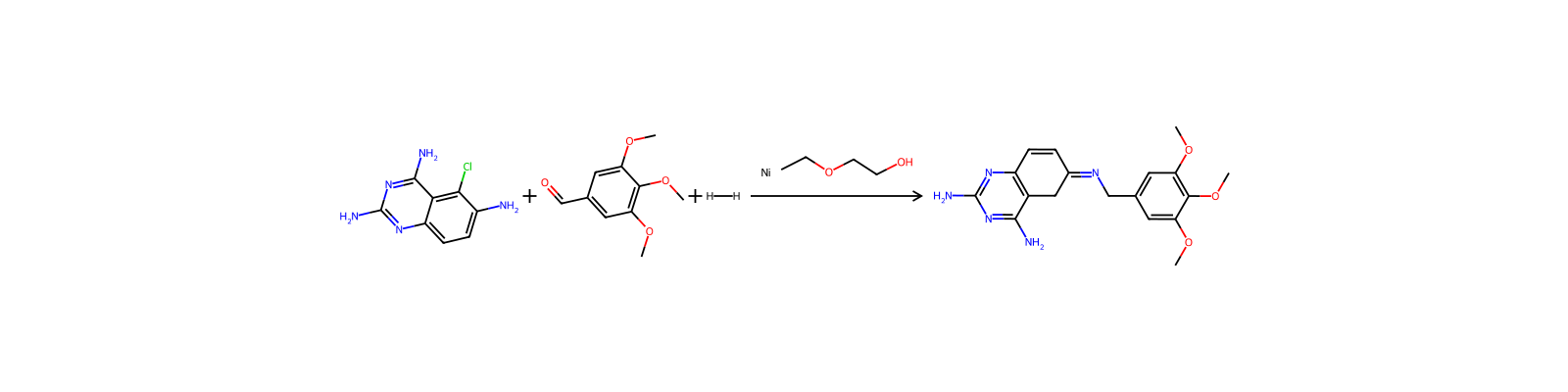
[NH2:1][C:2]1[N:11]=[C:10]([NH2:12])[C:9]2[C:4](=[CH:5][CH:6]=[C:7]([NH2:14])[C:8]=2Cl)[N:3]=1.[CH3:15][O:16][C:17]1[CH:18]=[C:19]([CH:22]=[C:23]([O:27][CH3:28])[C:24]=1[O:25][CH3:26])[CH:20]=O.[H][H]>[Ni].C(OCCO)C>[NH2:1][C:2]1[N:11]=[C:10]([NH2:12])[C:9]2[CH2:8][C:7](=[N:14][CH2:20][C:19]3[CH:22]=[C:23]([O:27][CH3:28])[C:24]([O:25][CH3:26])=[C:17]([O:16][CH3:15])[CH:18]=3)[CH:6]=[CH:5][C:4]=2[N:3]=1Komponenten
6
Edukt 3

Produkt 1
Reagenzien, Katalysatoren, Lösungsmittel 2


Versuchsvorschrift
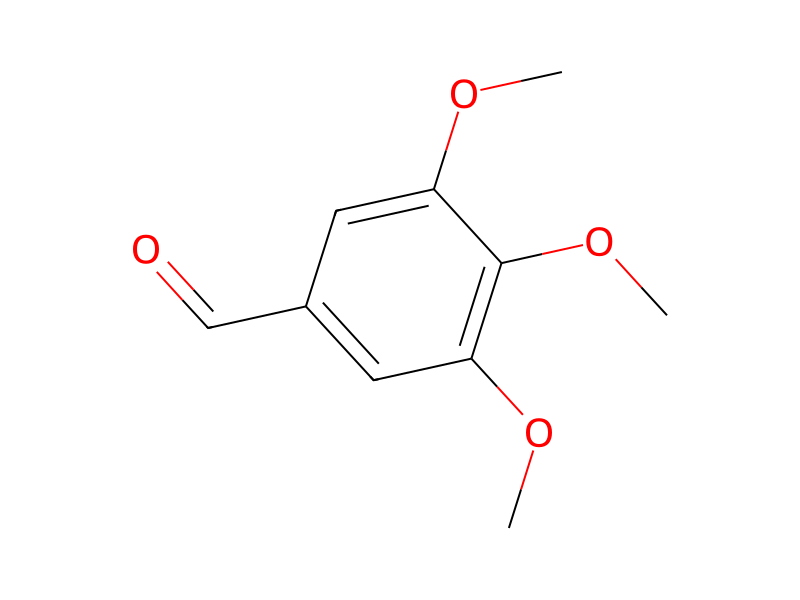
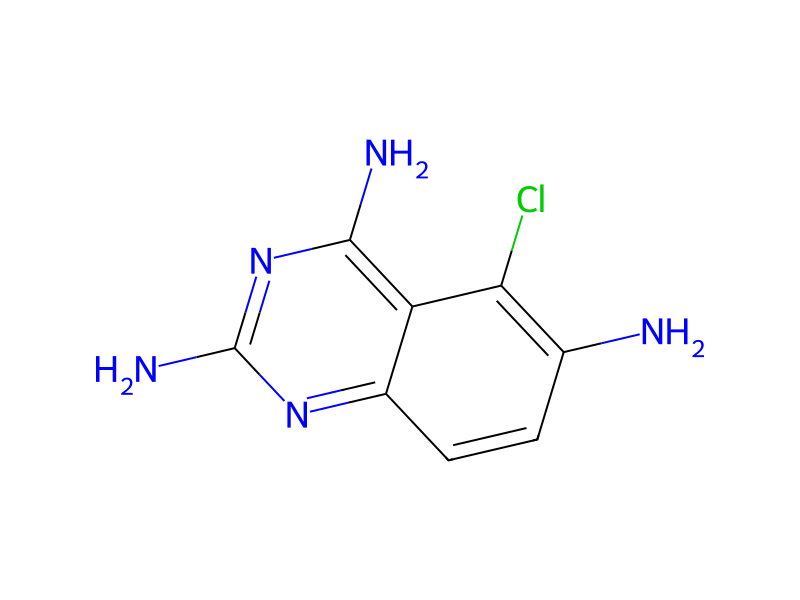
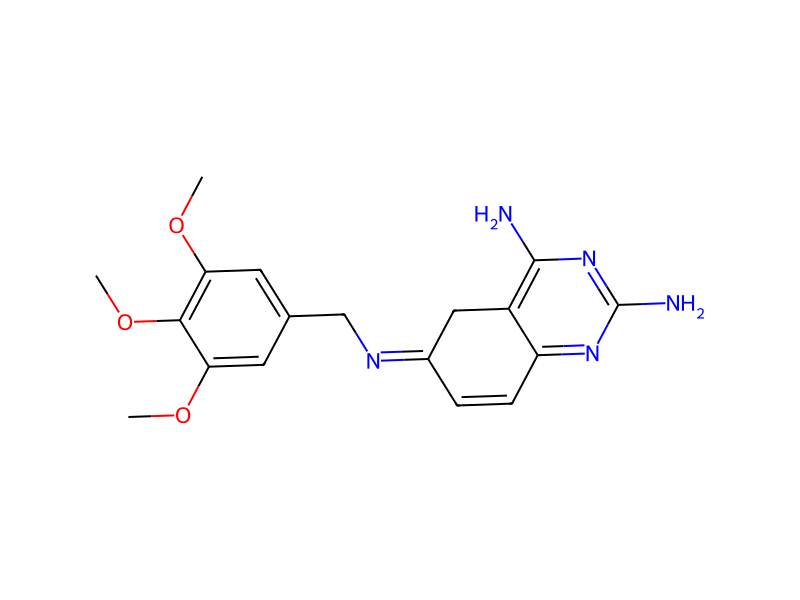
In a similar manner, 2,4,6-triamino-5-chloroquinazoline can be reacted with 3,4,5-trimethoxybenzaldehyde and hydrogen in the presence of Raney nickel in 2-ethoxyethanol, affording the corresponding 2,4-diamino-6-[(3,4,5-trimethoxyphenylmethyl)imino]quinazoline. Step C of Example 15 describes in detail the preparation of this compound. In a similar manner there may also be prepared 2,4-diamino-6-(substituted-aminomethyl)quinazolines.
Quellen und Nachweise
- ORD-Eintrag
- ord-c08e66a8408a4e4eb012f3af00073397
- Quelldatensatz
- uspto-grants-1997_04
- Patentnummer
- US05616718
Verknüpfte Notizen
Wird geladen…