

Grundinformationen
- Standard-SMILES
CCOCCO- InChIKey
ZNQVEEAIQZEUHB-UHFFFAOYSA-N- Summenformel
- C4H10O2
- Durchschnittliche Molmasse
- 90,12 g/mol
- Monoisotopische Masse
- 90,06807956
Namen und Bezeichner
- Bevorzugter Name
- Glycol monoethyl ether
- IUPAC
- 2-ethoxyethanol
- Lokaler Name
- Ethylenglykolmonoethylether
- Englischer Name
- 2-Ethoxyethanol
- Summenformel
- C4H10O2
- Molmasse
- 90.12
Namen und Synonyme
2-Ethoxyethanol110-80-5ETHYLENE GLYCOL MONOETHYL ETHEREthyl cellosolveEmkanolHydroxy etherEthanol, 2-ethoxy-2-Ethoxyethan-1-OlDowanol EEEthylene glycol ethyl etherJeffersol EECellosolve solvent
Weitere Namen anzeigen
EthoxyethanolETHYL GLYCOLCELLOSOLVEethoxyethano
Plastiazan 602-Ethoxyethyl alcoholSolvidEthylethylene glycolEktasolve EEEGEEbeta-EthoxyethanolGlycol monoethyl ether
Datenbank-Bezeichner
- CAS
110-80-5- PubChem CID
- 8076
- DTXSID
DTXSID7024087- ChEMBL
CHEMBL119596- ChEBI
CHEBI:46788- UNII
- IDK7C2HS09
- EC Number
- 203-804-1
- Nikkaji
- J1.980A
Eigenschaften
Berechnete Struktureigenschaften
- XLogP
- -0,3
- Polarare Oberfläche (TPSA)
- 29,5 Ų
- H-Brücken-Donoren
- 1
- H-Brücken-Akzeptoren
- 2
- Frei drehbare Bindungen
- 3
- Schwere Atome
- 6
- Formalladung
- 0
- Komplexität
- 21
Experimentelle und physikochemische Eigenschaften
LogP
-0.32
log Kow = -0.32
-0.32
-0.540
Odor
Sweet, pleasant, ether-like odor
Mild, agreeable odor
Practically odorless
TasteSLIGHTLY BITTER
Density
0.931 at 68 °F (USCG, 1999) - Less dense than water; will float
0.9253 g/cu cm at 25 °C
Bulk density: 7.74 lb at 20 °C; pour point: less than 37.7 °C
Relative density (water = 1): 0.93
0.93
0.9253 @25 °C
Viscosity1.84 centipoise at 25 °C
Color/FormColorless liquid
Solubility
greater than or equal to 100 mg/mL at 64 °F (NTP, 1992)
1000000
Miscible with water
Very soluble in acetone, ethyl ether, ethanol
Miscible with hydrocarbons
Miscible in all proportions of acetone, benzene, carbon tetrachloride, ethyl ether, methanol, and water.
Flash Point
105 °F (NTP, 1992)
43 °C
110 °F (43 °C) (closed cup)
120 °F (49 °C) open cup
202 °F
44 °C c.c.
Boiling Point
275 °F at 760 mmHg (NTP, 1992)
135
135.7 °C
135.00 °C. @ 760.00 mm Hg
135 °C
275 °F
DecompositionHazardous decomposition products formed under fire conditions. - Carbon oxides
Melting Point
-94 °F (NTP, 1992)
-70
-70 °C
-70 °C
-70 °C
-94 °F
Vapor Density
3.1 (NTP, 1992) - Heavier than air; will sink (Relative to Air)
Relative vapor density (air = 1): 3.1
3.1
Physikochemische Eigenschaften
- Schmelzpunkt
- -100 °C · -100 °C
- Siedepunkt
- 135 °C · 135 °C(lit.)
- Dichte
- 0.93 g/mL · 0.93 g/mL at 25 °C(lit.)
- Dampfdichte
- 3.1 · 3.1 (vs air)
- Dampfdruck
- 3.8 mm · 3.8 mm Hg ( 20 °C)
- Brechungsindex
- 20 · n20/D 1.407(lit.)
- Flammpunkt
- 107.6 °F · 107.6 °F
- storage temp.
- 30 °C · Store below +30°C.
- Löslichkeit
- water: miscible
- Aggregatzustand
- Liquid
- pka
- 14.44 · 14.44±0.10(Predicted)
- Farbe
- Clear, colorless
- Geruch (Odor)
- Sweetish; mild, pleasant, ethereal.
- PH
- 7 · 7 (20°C)
- Odor Threshold
- 0.58 ppm · 0.58ppm
- Explosionsgrenze
- 1.8 · 1.8-15.7%(V)
- Wasserlöslichkeit
- miscible
- Spezifische Wärmekapazität
- 2.34 J/ · Cp(liquid): 2.34 J/(g·K), at 25℃
- Merck
- 14 · 14,3750
- BRN
- 1098271 · 1098271
- Henry's Law Constant
- 8.9 · 8.9×100 mol/(m3Pa) at 25℃, Johanson and Dynésius (1988)
- Dielectric constant
- 29.6 · 29.6(24℃)
- Stabilität
- Stable. Readily forms explosive mixtures with air - note the wide explosion range. Vapour may travel considerable distance to a source of ignition. Flammable. Incompatible with strong acids, strong bases, strong oxidizing agents, aluminium, alkalies.
- Kosmetik-Inhaltsstoffe Funktionen
- SOLVENTVISCOSITY CONTROLLING
- InChI
- 1S/C4H10O2/c1-2-6-4-3-5/h5H,2-4H2,1H3
- InChIKey
- ZNQVEEAIQZEUHB-UHFFFAOYSA-N
- SMILES
- CCOCCO
- LogP
- 0.32 at · 0.32 at 20℃
- Oberflächenspannung
- 28.6 mN/m · 28.6mN/m at 20°C
- CAS Datenbank
- 110 · 110-80-5(CAS DataBase Reference)
- NIST chemische Informationen
- 2 · Ethanol, 2-ethoxy-(110-80-5)
- EPA chemische Informationen
- 2 · 2-Ethoxyethanol (110-80-5)
Sicherheit und Regulatorisches
GHS-Klassifizierung
GHS Classification
Danger
H226: Flammable liquid and vapor [Warning Flammable liquids];H302: Harmful if swallowed [Warning Acute toxicity, oral];H331: Toxic if inhaled [Danger Acute toxicity, inhalation];H360FD: May damage fertility; May damage the unborn child [Danger Reproductive toxicity]
P203, P210, P233, P240, P241, P242, P243, P261, P264, P270, P271, P280, P301+P317, P303+P361+P353, P304+P340, P316, P318, P321, P330, P370+P378, P403+P233, P403+P235, P405, and P501 (click each P-code to see the statement)
Danger
Gefahrenhinweise
Regulatory Information
Chemical: Ethanol, 2-ethoxy-
Hazard Traits - Developmental Toxicity; Hematotoxicity; Reproductive Toxicity;Authoritative List - CA TACs; EC Annex VI CMRs - Cat. 1B; OEHHA RELs; Prop 65;Report - regardless of intended function of ingredient in the product
Ethanol, 2-ethoxy- is listed on the EPA's Chemical Data Reporting (CDR) system. Manufacturers and importers of Ethanol, 2-ethoxy- are required to report information about their production and use of this chemical to the EPA under the Toxic Substances Control Act (TSCA). (40 eCFR Part 711)
S - indicates a substance that is identified in a final Significant New Use Rule.
Status: Active Update: 12-08-2021 https://echa.europa.eu/registration-dossier/-/registered-dossier/14915
Substance: 2-ethoxyethanol;EC: 203-804-1;Date of inclusion: >15-Dec-2010;Reason for inclusion: Toxic for reproduction (Article 57c)
Other Safety InformationIMAP assessments - Ethanol, 2-ethoxy-: Environment tier I assessment;IMAP assessments - Alkoxyethanols (C1-C2) and their acetates: Human health tier II assessment
DOT LabelFlammable Liquid
Fire Hazards
Special Hazards of Combustion Products: Toxic gases, such as carbon monoxide, may be produced in fire. (USCG, 1999)
· HIGHLY FLAMMABLE: Will be easily ignited by heat, sparks or flames.;CAUTION: Ethanol (UN1170) can burn with an invisible flame. Use an alternate method of detection (thermal camera, broom handle, etc.);· Vapors may form explosive mixtures with air.;· Vapors may travel to source of ignition and flash back.;· Most vapors are heavier than air. They will spread along the ground and collect in low or confined areas (sewers, basements, tanks, etc.).;· Vapor explosion hazard indoors, outdoors or in sewers.;· Those substances designated with a (P) may polymerize explosively when heated or involved in a fire.;· Runoff to sewer may create fire or explosion hazard.;· Containers may explode when heated.;· Many liquids will float on water.
Flammable. Above 44 °C explosive vapour/air mixtures may be formed.
Fire Potential
Flammable in the presence of a source of ignition when the temperature is above the flash point.
Flammable.
Health Hazards
Some eye irritation. Inhalation of vapors causes irritation of nose. (USCG, 1999)
· Inhalation or contact with material may irritate or burn skin and eyes.;· Fire may produce irritating, corrosive and/or toxic gases.;· Vapors may cause dizziness or asphyxiation, especially when in closed or confined areas.;· Runoff from fire control or dilution water may cause environmental contamination.
Hazards Summary
Changes in the lungs, kidneys, liver, and spleen are seen in mice after 7-hour lethal concentration studies. For ethylene glycol ethers, there is limited positive evidence of spontaneous abortions and decreased sperm counts in humans and strong positive evidence of birth defects and testicular damage in animals. [ATSDR Case Studies # 29] Labeled as May impair fertility and May cause harm to the unborn child by EU regulations; [Glycol Ethers Online] See Glycol ethers.
DOT ID and Guide
1171 127
1171 127
FDA Requirements
The following substance may be safely used as diluents in color additive mixtures for food use exempt from certification, subject to the condition that each straight color in the mixture has been exempted from certification or, if not so exempted, is from a batch that has previously been certified and has not changed in composition since certification. If a specification for a particular diluent is not set forth in this part 73, the material shall be of a purity consistent with its intended use. Ethylene glycol monoether ether is used as a diluent in color additive mixtures for marking food-(i) Inks for marking food supplements in tablet form, gum, and confectionery. Restriction: No residue.
Ethylene glycol monoethyl ether is an indirect food additive for use only as a component of adhesives.
Reactive GroupAlcohols and Polyols;Ethers
UN ClassificationUN Hazard Class: 3; UN Pack Group: III
Special Reports
Johanson G; Aspects of biological monitoring of exposure to glycol ethers; Toxicol Lett 43 (1-3): 5-21 (1988)
Paustenback DJ, Assessment of the Developmental Risks Resulting from Occupational Exposure to Select Glycol Ethers within the Semi-conductor Industry; J Toxicol Environ Health 23 (1): 29-75 (1988)
Kay GF et al; Solvent Toxicology, Annual Review of Pharmacology and Toxicology 27: 399-427 (1987).
Miller RR; Metabolism and Disposition of Glycol Ethers; Drug Metab Rev 18 (1): (1987).
For more Special Reports (Complete) data for ETHYLENE GLYCOL MONOETHYL ETHER (6 total), please visit the HSDB record page.
Sicherheit und Schutzausrüstung
Fire Fighting
Excerpt from ERG Guide 127 [Flammable Liquids (Water-Miscible)]:;CAUTION: The majority of these products have a very low flash point. Use of water spray when fighting fire may be inefficient. CAUTION: For fire involving UN1170, UN1987 or UN3475, alcohol-resistant foam should be used. CAUTION: Ethanol (UN1170) can burn with an invisible flame. Use an alternate method of detection (thermal camera, broom handle, etc.).;SMALL FIRE: Dry chemical, CO2, water spray or alcohol-resistant foam.;LARGE FIRE: Water spray, fog or alcohol-resistant foam. Avoid aiming straight or solid streams directly onto the product. If it can be done safely, move undamaged containers away from the area around the fire.;FIRE INVOLVING TANKS, RAIL TANK CARS OR HIGHWAY TANKS: Fight fire from maximum distance or use unmanned master stream devices or monitor nozzles. Cool containers with flooding quantities of water until well after fire is out. Withdraw immediately in case of rising sound from venting safety devices or discoloration of tank. ALWAYS stay away from tanks in direct contact with flames. For massive fire, use unmanned master stream devices or monitor nozzles; if this is impossible, withdraw from area and let fire burn. (ERG, 2024)
Use water spray, powder, alcohol-resistant foam, carbon dioxide. In case of fire: keep drums, etc., cool by spraying with water.
First Aid Measures
Fresh air, rest. Refer for medical attention.
Remove contaminated clothes. Rinse skin with plenty of water or shower. Refer for medical attention .
First rinse with plenty of water for several minutes (remove contact lenses if easily possible), then refer for medical attention.
Rinse mouth. Do NOT induce vomiting. Give one or two glasses of water to drink. Refer for medical attention .
Accidental Release Measures
· CALL 911. Then call emergency response telephone number on shipping paper. If shipping paper not available or no answer, refer to appropriate telephone number listed on the inside back cover.;· Keep unauthorized personnel away.;· Stay upwind, uphill and/or upstream.;· Ventilate closed spaces before entering, but only if properly trained and equipped.
· ELIMINATE all ignition sources (no smoking, flares, sparks or flames) from immediate area.;· All equipment used when handling the product must be grounded.;· Do not touch or walk through spilled material.;· Stop leak if you can do it without risk.;· Prevent entry into waterways, sewers, basements or confined areas.;· A vapor-suppressing foam may be used to reduce vapors.;· Absorb or cover with dry earth, sand or other non-combustible material and transfer to containers.;· Use clean, non-sparking tools to collect absorbed material.;Large Spill;· Dike far ahead of liquid spill for later disposal.;· Water spray may reduce vapor, but may not prevent ignition in closed spaces.
First Aid
EYES: First check the victim for contact lenses and remove if present. Flush victim's eyes with water or normal saline solution for 20 to 30 minutes while simultaneously calling a hospital or poison control center. Do not put any ointments, oils, or medication in the victim's eyes without specific instructions from a physician. IMMEDIATELY transport the victim after flushing eyes to a hospital even if no symptoms (such as redness or irritation) develop.;SKIN: IMMEDIATELY flood affected skin with water while removing and isolating all contaminated clothing. Gently wash all affected skin areas thoroughly with soap and water. If symptoms such as redness or irritation develop, IMMEDIATELY call a physician and be prepared to transport the victim to a hospital for treatment.;INHALATION: IMMEDIATELY leave the contaminated area; take deep breaths of fresh air. If symptoms (such as wheezing, coughing, shortness of breath, or burning in the mouth, throat, or chest) develop, call a physician and be prepared to transport the victim to a hospital. Provide proper respiratory protection to rescuers entering an unknown atmosphere. Whenever possible, Self-Contained Breathing Apparatus (SCBA) should be used; if not available, use a level of protection greater than or equal to that advised under Protective Clothing.;INGESTION: DO NOT INDUCE VOMITING. If the victim is conscious and not convulsing, give 1 or 2 glasses of water to dilute the chemical and IMMEDIATELY call a hospital or poison control center. Be prepared to transport the victim to a hospital if advised by a physician. If the victim is convulsing or unconscious, do not give anything by mouth, ensure that the victim's airway is open and lay the victim on his/her side with the head lower than the body. DO NOT INDUCE VOMITING. IMMEDIATELY transport the victim to a hospital. (NTP, 1992)
General First Aid:;· Call 911 or emergency medical service.;· Ensure that medical personnel are aware of the material(s) involved, take precautions to protect themselves and avoid contamination.;· Move victim to fresh air if it can be done safely.;· Administer oxygen if breathing is difficult.;· If victim is not breathing:;-- DO NOT perform mouth-to-mouth resuscitation; the victim may have ingested or inhaled the substance.;-- If equipped and pulse detected, wash face and mouth, then give artificial respiration using a proper respiratory medical device (bag-valve mask, pocket mask equipped with a one-way valve or other device).;-- If no pulse detected or no respiratory medical device available, provide continuous compressions. Conduct a pulse check every two minutes or monitor for any signs of spontaneous respirations.;· Remove and isolate contaminated clothing and shoes.;· For minor skin contact, avoid spreading material on unaffected skin.;· In case of contact with substance, remove immediately by flushing skin or eyes with running water for at least 20 minutes.;· For severe burns, immediate medical attention is required.;· Effects of exposure (inhalation, ingestion, or skin contact) to substance may be delayed.;· Keep victim calm and warm.;· Keep victim under observation.;· For further assistance, contact your local Poison Control Center.;· Note: Basic Life Support (BLS) and Advanced Life Support (ALS) should be done by trained professionals.;Specific First Aid:;· Wash skin with soap and water.
(General first aid procedures);Eye: Irrigate immediately - If this chemical contacts the eyes, immediately wash (irrigate) the eyes with large amounts of water, occasionally lifting the lower and upper lids. Get medical attention immediately.;Skin: Water flush promptly - If this chemical contacts the skin, flush the contaminated skin with water promptly. If this chemical penetrates the clothing, immediately remove the clothing and flush the skin with water promptly. If irritation persists after washing, get medical attention.;Breathing: Respiratory support;Swallow: Medical attention immediately - If this chemical has been swallowed, get medical attention immediately.
Safe StorageFireproof. Separated from strong oxidants and food and feedstuffs. Keep in the dark. Cool.
Exposure Control and Personal Protection
· Wear positive pressure self-contained breathing apparatus (SCBA).;· Structural firefighters' protective clothing provides thermal protection but only limited chemical protection.
Biological Exposure Indices (BEI) [ACGIH] - 2-Ethoxyacetic acid in urine = 40 mg/g creatinine; end of shift at end of workweek;
2.0 [ppm], sum of the concentrations of CAS 110-80-5 and its acetate in air[German Research Foundation (DFG)]
Fire Fighting Procedures
If material on fire or involved in fire: Do not extinguish fire unless flow can be stopped or safely confined. Use water in flooding quantities as fog. Solid streams of water may be ineffective. Cool all affected containers with flooding quantities of water. Apply water from as far a distance as possible. Use "alcohol" foam, dry chemical or carbon dioxide.
Use water spray, powder, alcohol-resistant foam, carbon dioxide.
In case of fire: keep drums, etc., cool by spraying with water.
To fight fire, use alcohol foam, dry chemical.
For more Fire Fighting Procedures (Complete) data for ETHYLENE GLYCOL MONOETHYL ETHER (6 total), please visit the HSDB record page.
Storage Conditions
Conditions for safe storage: Keep container tightly closed in a dry and well-ventilated place. Containers which are opened must be carefully resealed and kept upright to prevent leakage.
Fireproof. Separated from strong oxidants and food and feedstuffs. Keep in the dark. Cool.
Cleanup Methods
Methods and materials for containment and cleaning up: Contain spillage, and then collect with an electrically protected vacuum cleaner or by wet-brushing and place in container for disposal according to local regulations.
Environmental precautions: Prevent further leakage or spillage if safe to do so. Do not let product enter drains.
Personal precautions: Wear respiratory protection. Avoid breathing vapors, mist or gas. Ensure adequate ventilation. Remove all sources of ignition. Evacuate personnel to safe areas. Beware of vapors accumulating to form explosive concentrations. Vapors can accumulate in low areas.
SPILLAGE DISPOSAL: Remove all ignition sources. Personal protection: filter respirator for organic gases and vapors adapted to the airborne concentration of the substance. Ventilation. Collect leaking liquid in sealable containers. Wash away remainder with plenty of water.
Nonfire Spill Response
Excerpt from ERG Guide 127 [Flammable Liquids (Water-Miscible)]:;ELIMINATE all ignition sources (no smoking, flares, sparks or flames) from immediate area. All equipment used when handling the product must be grounded. Do not touch or walk through spilled material. Stop leak if you can do it without risk. Prevent entry into waterways, sewers, basements or confined areas. A vapor-suppressing foam may be used to reduce vapors. Absorb or cover with dry earth, sand or other non-combustible material and transfer to containers. Use clean, non-sparking tools to collect absorbed material.;LARGE SPILL: Dike far ahead of liquid spill for later disposal. Water spray may reduce vapor, but may not prevent ignition in closed spaces. (ERG, 2024)
Disposal Methods
Generators of waste (equal to or greater than 100 kg/mo) containing this contaminant, EPA hazardous waste numbers U359 and F005 must conform with USEPA regulations in storage, transportation, treatment and disposal of waste.
SRP: Wastewater from contaminant suppression, cleaning of protective clothing/equipment, or contaminated sites should be contained and evaluated for subject chemical or decomposition product concentrations. Concentrations shall be lower than applicable environmental discharge or disposal criteria. Alternatively, pretreatment and/or discharge to a permitted wastewater treatment facility is acceptable only after review by the governing authority and assurance that "pass through" violations will not occur. Due consideration shall be given to remediation worker exposure (inhalation, dermal and ingestion) as well as fate during treatment, transfer and disposal. If it is not practicable to manage the chemical in this fashion, it must be evaluated in accordance with EPA 40 CFR Part 261, specifically Subpart B, in order to determine the appropriate local, state and federal requirements for disposal.
Ethylene glycol monoethyl ether is a waste chemical stream constituent which may be subjected to ultimate disposal by controlled incineration. Concentrated waste containing no peroxides, discharge liquid at a controlled rate near a pilot flame. Concentrated containing peroxides; perforation of a container of the waste from a safe distance followed by open burning.
Spray into furnace. Incineration will become easier by mixing with a more flammable solvent. Recommendable method: Incineration.
For more Disposal Methods (Complete) data for ETHYLENE GLYCOL MONOETHYL ETHER (7 total), please visit the HSDB record page.
Spillage Disposal
Remove all ignition sources. Personal protection: protective clothing, protective gloves and filter respirator for organic gases and vapours adapted to the airborne concentration of the substance. Ventilation. Collect leaking liquid in sealable containers. Wash away remainder with plenty of water.
Toxikologische Informationen
Interactions
2-ethoxyethanol, induced complete embryomortality in pregnant rats exposed to three times the current Federal permissible exposure limit (PEL). Following exposure to ethoxyethanol at a concentration only one-half the current PEL, the offspring evidenced behavioral and neurochemical deviations from controls. Subsequent studies found that ingestion of ethanol with concomitant inhalation of ethoxyethanol vapors early in pregnancy appeared to reduce the number of both behavioral and neurochemical deviations found for ethoxyethanol. In contrast, the concomitant exposure to ethanol and ethoxyethanol later in gestation potentiated the behavioral and neurochemical effects of ethoxyethanol. This research indicates that the industrial solvent 2-ethoxyethanol presents an occupational reproductive hazard and raises the issue of the importance of an interaction of social habits with occupational exposure to such hazards. The results would suggest that occupational physicians should advise pregnant workers in the chemical industry of the adverse effects of ethanol during pregnancy and of the possible interactions with other chemicals and should encourage them to be especially cautious with ethanol consumption since they may be at greater risk.
Behavioral and neurochemical deviations in the offspring of rats exposed to 100 ppm ethoxyethanol during gestation have been reported previously. Since this compound is likely metabolized in the same manner as ethanol, the present study investigated the interactive effects of ethanol and ethoxyethanol on prenatal development. Groups of 15-20 pregnant Sprague-Dawley rats were given 10% ethanol in the drinking water with or without concomitant inhalation exposure to 100 ppm ethoxyethanol during gestation days 7-13 or 14-20. Another group was exposed to 200 ppm ethoxyethanol on gestation days 7-13, and sham-exposed controls were included for both gestation periods. Ethanol alone on days 14-20 and 200 ppm ethoxyethanol reduced overall weight gain during pregnancy. As in the previous research, pregnancy duration was extended in the groups given ethoxyethanol, but not in groups given ethanol alone. Neuromotor ability, as assessed by an ascent test and by a rotorod, was reduced by 200 ppm ethoxyethanol and by ethanol alone on gestation days 7-13. The group given ethanol plus ethoxyethanol on days 14-20 spent significantly longer in the start area of an open field, and this group as well as that given 200 ppm ethoxyethanol were less active than controls in the open field and in the shuttle box. When compared with previous research, it appears that ethanol early in gestation may reduce the effects, but later in gestation may enhance the effects of prenatal ethoxyethanol.
Repeated exposure of workers to /2-Methoxyethanol/ (2-ME) and /2-Ethoxyethanol/ (2-EE), in addition to other solvents, resulted in anaemia, leucopenia, general weakness, and ataxia.
Endocrine disrupting chemicals cause reproductive dysfunction by interacting with intricate regulation and cellular processes involve in spermatogenesis. This study investigated the probable mechanism of action of ethylene glycol monoethyl ether (EGEE) as an antiandrogenic compound as well as the effects of kolaviron upon co-administration with EGEE in rats. Adult male rats were exposed to EGEE (200 mg/kg bw) separately or in combination with either kolaviron [100 (KV1) and 200 (KV2) mg/kg bw] or vitamin E (50 mg/kg bw) for 14 days. Western blot analysis revealed that the administration of EGEE adversely affected steroidogenesis in experimental rats by decreasing the expression of steroid acute regulatory (StAR) protein and androgen-binding protein (ABP). EGEE significantly decreased the activities of 3beta-hydroxysteroid dehydrogenase (3beta-HSD) and 17beta-hydroxysteroid dehydrogenase (17beta-HSD) but markedly increased sialic acid concentration in rat testes. EGEE-treated rats showed significant decreases in plasma levels of luteinizing hormone (31%), testosterone (57.1%), prolactin (80.9%), triiodothyronine (65.3%) and thyroxine (41.4%), whereas follicle-stimulating hormone was significantly elevated by 76.9% compared to the control. However, co-administration of kolaviron or vitamin E significantly reversed the EGEE-induced steroidogenic dysfunction in rats. This study suggests that kolaviron may prove promising as a chemoprotective agent against endocrine pathology resulting from EGEE exposure.
Target Organs
Hematologic;Reproductive
Eyes, respiratory system, blood, kidneys, liver, reproductive system, hematopoietic system
Ecotoxicity Values
LC50; Species: Lepomis macrochirus (Bluegill); Concentration: >10000 mg/L for 96hr /Conditions of bioassay not specified in source examined/
LC50; Species: Artemia salina (brine shrimp); Concentration: 4000 mg/L /Conditions of bioassay not specified in source examined/
LC50; Species: Poecilia reticulata (guppy); Concentration: 16400 mg/L for 7 days /Conditions of bioassay not specified in source examined/
LC50; Species: Artemia salina (brine shrimp); Conditions: saltwater, static, 24.5 °C, >10000 mg/L for 24 hr
For more Ecotoxicity Values (Complete) data for ETHYLENE GLYCOL MONOETHYL ETHER (10 total), please visit the HSDB record page.
Environmental Fate
TERRESTRIAL FATE: Based on a classification scheme(1), an estimated Koc value of 2(SRC), determined from a log Kow of -0.32(2) and a regression-derived equation(3), indicates that ethylene glycol monoethyl ether is expected to have very high mobility in soil(SRC). Volatilization of ethylene glycol monoethyl ether from moist soil surfaces is expected to be an important fate process(SRC) given a Henry's Law constant of 4.7X10⁻⁷ atm-cu m/mole(4). Ethylene glycol monoethyl ether is expected to volatilize from dry soil surfaces(SRC) based upon a vapor pressure of 5.31 mm Hg at 25 °C(5). Utilizing the Japanese MITI test, 76% of the Theoretical BOD was reached in 2 weeks(6) indicating that biodegradation is an important environmental fate process in soil(SRC).
AQUATIC FATE: Based on a classification scheme(1), an estimated Koc value of 2(SRC), determined from a log Kow of -0.32(2) and a regression-derived equation(3), indicates that ethylene glycol monoethyl ether is not expected to adsorb to suspended solids and sediment(SRC). Volatilization from water surfaces is expected(4) based upon a Henry's Law constant of 4.7X10⁻⁷ atm-cu m/mole(5). Using this Henry's Law constant and an estimation method(4), volatilization half-lives for a model river and model lake are 74 and 540 days, respectively(SRC). According to a classification scheme(6), an estimated BCF of 3(SRC), from its log Kow(2) and a regression-derived equation(3), suggests the potential for bioconcentration in aquatic organisms is low(SRC). Utilizing the Japanese MITI test, 76% of the Theoretical BOD was reached in 2 weeks(7) indicating that biodegradation is an important environmental fate process in water(SRC).
ATMOSPHERIC FATE: According to a model of gas/particle partitioning of semivolatile organic compounds in the atmosphere(1), ethylene glycol monoethyl ether, which has a vapor pressure of 5.31 mm Hg at 25 °C(2), is expected to exist solely as a vapor in the ambient atmosphere. Vapor-phase ethylene glycol monoethyl ether is degraded in the atmosphere by reaction with photochemically-produced hydroxyl radicals(SRC); the half-life for this reaction in air is estimated to be 22 hrs(SRC), calculated from its rate constant of 1.54X10⁻¹¹ cu cm/molecule-sec at 25 °C(3). Ethylene glycol monoethyl ether does not contain chromophores that absorb at wavelengths >290 nm(4) and, therefore, is not expected to be susceptible to direct photolysis by sunlight(SRC).
Food Survey ValuesEthylene glycol monoethyl ether has been qualitatively detected as a volatile flavor component in fried bacon(1), beef(2), and pork(2).
Adverse Effects
Neurotoxin - Acute solvent syndrome;Occupational hepatotoxin - Secondary hepatotoxins: the potential for toxic effect in the occupational setting is based on cases of poisoning by human ingestion or animal experimentation.;Aplastic anemia - The presence of increased methemoglobin in the blood; the compound is classified as primary toxic effect.;Reproductive Toxin - A chemical that is toxic to the reproductive system, including defects in the progeny and injury to male or female reproductive function. Reproductive toxicity includes developmental effects. See Guidelines for Reproductive Toxicity Risk Assessment.
Exposure Routes
The substance can be absorbed into the body by inhalation, through the skin and by ingestion.
inhalation, skin absorption, ingestion, skin and/or eye contact
Toxicity Summary
On the basis of the animal and clinical data included in this report, the CIR Expert Panel concludes that Ethoxyethanol and Ethoxyethanol Acetate are unsafe for use in cosmetic products.
The ingredient is unsafe for use in cosmetics
IDENTIFICATION AND USE: Ethylene Glycol Monoethyl ether (EGEE) is a colorless liquid with mild, agreeable odor. It is used as a solvent for nitrocellulose, lacquers and dopes; in varnish removers, cleansing solutions, dye baths; finishing leather with water pigments and dye solutions; increasing stability of emulsions. HUMAN EXPOSURE AND TOXICITY: Short-term exposure: The substance is mildly irritating to the eyes and respiratory tract, may cause effects on the central nervous system, blood, bone marrow, kidneys and liver. Exposure at high levels could cause unconsciousness. Long-term or repeated exposure: The liquid defats the skin, may have effects on the blood and bone marrow. The major long-term effects of exposure for humans are developmental, testicular, and hematological toxicity. A cross-sectional evaluation of semen quality was carried out in workers exposed to EGEE. A control group of workers from the same plant was included. Workers exposed to EGEE had significantly lower average sperm counts than controls, although both groups had lower sperm counts than those found in other occupational groups. In other study, hemoglobin, hematocrit, red cell indices, total and differential white blood cell counts, and platelet count were measured in shipyard painters and control subjects as part of a cross-sectional, observational study of the effects of ethylene glycol ethers. A significant proportion of painters were anemic (10%) and granulocytopenic (5%); none of the controls were affected. ANIMAL TOXICITY STUDIES: EGEE administered sc for 4 weeks at doses of up to 0.38 g/kg/day caused no deaths in rats. Dose levels of 0.185 and 0.38 g/kg caused dyspnea, somnolence, mild ataxia, some growth depression in females, and reduction of hemoglobin levels and hematocrit values. At the 0.38 g/kg level interstitial testicular edema, dissociation of liver parenchyma and tubular lesions of the kidney were observed. The effects of EGEE on testicular cell populations in puber
Ecotoxicity Excerpts
/AQUATIC SPECIES/ The acute toxicity of /2-Ethoxyethanol/ (2-EE) is very low for ... freshwater fish (LC50 > 10 g/L).
/OTHER TERRESTRIAL SPECIES/ The acute toxicity of /2-Ethoxyethanol/ (2-EE) is very low for arthropods (LC50 > 4 g/L).
Signs and Symptoms
Cough. Drowsiness. Headache. Shortness of breath. Sore throat.
MAY BE ABSORBED! Further see Inhalation.
Redness. Pain.
Abdominal pain. Nausea. Vomiting. Further see Inhalation.
In Animals: irritation eyes, respiratory system; blood changes; liver, kidney, lung damage; reproductive, teratogenic effects
Ongoing Test Status
EPA has released the first beta version (version 0.5) of the Interactive Chemical Safety for Sustainability (iCSS) Dashboard. The beta version of the iCSS Dashboard provides an interactive tool to explore rapid, automated (or in vitro high-throughput) chemical screening data generated by the Toxicity Forecaster (ToxCast) project and the federal Toxicity Testing in the 21st century (Tox21) collaboration. /The title compound was tested by ToxCast and/or Tox21 assays; See the data in Chemical Explorer/[USEPA; ICSS Dashboard Application; Available from, as of June 27, 2014: http://actor.epa.gov/dashboard/]
The following link will take the user to the National Toxicology Program (NTP) Test Agent Search Results page, which tabulates all of the "Standard Toxicology & Carcinogenesis Studies", "Developmental Studies", and "Genetic Toxicity Studies" performed with this chemical. Clicking on the "Testing Status" link will take the user to the status (i.e., in review, in progress, in preparation, on test, completed, etc.) and results of all the studies that the NTP has done on this chemical.[Available from, as of June 30, 2014: http://ntp-apps.niehs.nih.gov/ntp_tox/index.cfm?fuseaction=ntpsearch.searchresults&searchterm=110-80-5]
Effluent ConcentrationsEthylene glycol monoethyl ether was detected in active compost blower exhaust at 9 ug/cu m(1).
Regulatorische Informationen
Regulatory Information
Chemical: Ethanol, 2-ethoxy-
Hazard Traits - Developmental Toxicity; Hematotoxicity; Reproductive Toxicity;Authoritative List - CA TACs; EC Annex VI CMRs - Cat. 1B; OEHHA RELs; Prop 65;Report - regardless of intended function of ingredient in the product
Ethanol, 2-ethoxy- is listed on the EPA's Chemical Data Reporting (CDR) system. Manufacturers and importers of Ethanol, 2-ethoxy- are required to report information about their production and use of this chemical to the EPA under the Toxic Substances Control Act (TSCA). (40 eCFR Part 711)
S - indicates a substance that is identified in a final Significant New Use Rule.
Status: Active Update: 12-08-2021 https://echa.europa.eu/registration-dossier/-/registered-dossier/14915
Substance: 2-ethoxyethanol;EC: 203-804-1;Date of inclusion: >15-Dec-2010;Reason for inclusion: Toxic for reproduction (Article 57c)
FDA Requirements
The following substance may be safely used as diluents in color additive mixtures for food use exempt from certification, subject to the condition that each straight color in the mixture has been exempted from certification or, if not so exempted, is from a batch that has previously been certified and has not changed in composition since certification. If a specification for a particular diluent is not set forth in this part 73, the material shall be of a purity consistent with its intended use. Ethylene glycol monoether ether is used as a diluent in color additive mixtures for marking food-(i) Inks for marking food supplements in tablet form, gum, and confectionery. Restriction: No residue.
Ethylene glycol monoethyl ether is an indirect food additive for use only as a component of adhesives.
RCRA Requirements
U359; As stipulated in 40 CFR 261.33, when ethylene glycol monoethyl ether, as a commercial chemical product or manufacturing chemical intermediate or an off-specification commercial chemical product or a manufacturing chemical intermediate, becomes a waste, it must be managed according to Federal and/or State hazardous waste regulations. Also defined as a hazardous waste is any residue, contaminated soil, water, or other debris resulting from the cleanup of a spill, into water or on dry land, of this waste. Generators of small quantities of this waste may qualify for partial exclusion from hazardous waste regulations (40 CFR 261.5).
F005; When 2-ethoxyethanol is a spent non-halogenated solvent, it is classified as a hazardous waste from a nonspecific source (F005), as stated in 40 CFR 261.31, and must be managed according to State and/or Federal hazardous waste regulations.
Atmospheric Standards
This action promulgates standards of performance for equipment leaks of Volatile Organic Compounds (VOC) in the Synthetic Organic Chemical Manufacturing Industry (SOCMI). The intended effect of these standards is to require all newly constructed, modified, and reconstructed SOCMI process units to use the best demonstrated system of continuous emission reduction for equipment leaks of VOC, considering costs, non air quality health and environmental impact and energy requirements. Ethylene glycol monoethyl ether is produced, as an intermediate or a final product, by process units covered under this subpart.
CERCLA Reportable Quantities
Persons in charge of vessels or facilities are required to notify the National Response Center (NRC) immediately, when there is a release of this designated hazardous substance, in an amount equal to or greater than its reportable quantity of 1000 lb or 454 kg. The toll free number of the NRC is (800) 424-8802. The rule for determining when notification is required is stated in 40 CFR 302.4 (section IV. D.3.b).
State Drinking Water Guidelines(FL) FLORIDA 25,000 ug/L
Sicherheitsdaten
- OEB
- B
- OEL
- TWA: 0.5 ppm (1.8 mg/m3) [skin]
- wgk
- 1
- IDLA
- 500 ppm
- tsca
- TSCA listed
- ridadr
- UN 1171
- hs_code
- 29094990
- RTECS-Nr.
- KK8050000
- risk_code
- 60-61-10-20/21/22-20/22
- Toxizität
- Acute oral LD50 for guinea pigs 1,400 mg/kg, mice 2,451 mg/kg, rats 3,000 mg/kg, rabbits 3,100 mg/kg (quoted, RTECS, 1985).
- hazard_code
- T
- safety_code
- 53-45
- hazard_class
- 3
- packing_group
- III
- Speicherklasse
- 3 - Flammable liquids
- Giftige Stoffe Daten
- 110-80-5(Hazardous Substances Data)
- Hazard Classifications
- Acute Tox. 3 InhalationAcute Tox. 4 OralFlam. Liq. 3Repr. 1B
- Selbstentzündungstemperatur
- 460 °F
Chemie und Industrie
Pharmakologische Informationen
Mechanism of Action
The toxicity of ... ethylene glycol monoethyl ether are due to /its/ metabolite, ethoxyacetic acid, and that this metabolite may exert /its/ effects, in part, on mitochondrial function.
The developmental and reproductive toxicity of ethylene glycol monoethyl ether is believed to be due to its metabolism to ethoxyacetic acid. ...The effects of ... ethoxyacetic acids (EAA) on mitochondrial function /were studied/. At concentrations beginning at 3.85 mM, 2-EAA inhibited state 3 respiration (+ADP) and the respiratory control ratio (RCR) [ratio of state 3 (+ADP) to state 4 (-ADP)] in hepatic mitochondria using either succinate or citrate/malate as substrates. .../It was/ demonstrated that fluorocitrate, formed during the metabolism of fluoroacetate, binds to mitochondrial membranes and prevents the formation of ATP and the transfer and metabolism of citrate. Compounds containing (-SH) groups were effective in removing bound fluorocitrate, thereby reducing the toxicity of fluoroacetate. Ethoxycitrate formed from ethoxyacetic acid may also inhibit the mitochondrial transfer of citrate.
Biological Half-Life
The elimination of radioactive /2-ethoxyacetic acid/ (ethyl 1, 2 ((14)C)) has been reported in the rat (half-life of approximately 8 hr) and in humans (half-life of approximately 21-42 hr). /2-Ethoxyacetic acid/
Monitoring of the urinary excretion of the alkoxyacetic acid metabolites may be a useful indicator of human exposure to ethylene glycol ethers. In 10 male workers exposed to ethylene glycol monoethyl ether, the maximal urinary excretion of ethoxyacetic acid occurred in 3-4 hours and the urine biological half-life was 21-24 hours.
Metabolism/Metabolites
Male rats were given a single oral dose of ethylene glycol monoethyl ether, the dose ranging from plausible human exposures (0.5-1 mg/kg) to doses reported in the literature (100 mg/kg). Urinary excretion of ethoxyacetic acid and its glycine conjugate was followed up to 60 hr after dosing and compared to data of experimentally exposed human volunteers. In rats, the mean elimination half-life of free as well as conjugated ethoxyacetic acid was 7.2 hr for all doses. Ethoxyacetic acid was excreted partly as a glycine conjugate (on average 27%), the extent of conjugation being independent of the dose. The relative amount of ethylene glycol monoethyl ether recovered in urine as ethoxyacetic acid was only 13.4% for the lowest dose, but increased as the administered dose of ethylene-glycol-monoethyl-ether was higher, indicating that ethylene glycol monoethyl ether was metabolized at least in two parallel pathways of which one pathway becomes saturated at relatively low doses. In man, urinary excretion of ethoxyacetic acid for equivalent low doses of ethylene glycol monoethyl ether differed from that in the rat by a longer elimination half-life (mean 42 hr), by the absence of ethoxyacetic acid conjugates and by a higher recovery.
Ten healthy male subjects were exposed to ethylene glycol monoethyl ether and their urinary excretion of ethoxyacetic acid was followed up for 42 hours. Maximal excretion of ethoxyacetic acid was reached 3-4 hours after the end of the 4 hr exposure period. Afterwards, ethoxyacetic acid excretion declined slowly with a biological half-life of 21-24 hours. Ethoxyacetic acid excretion increased as the uptake of ethylene glycol monoethyl ether increased as a consequence of higher exposure concentration or pulmonary ventilation rate during physical exercise. On average, 23.1% of ethylene glycol monoethyl ether was recovered as ethoxyacetic acid within 42 hours. Quantitative relations between ethoxyacetic acid excretion and ethylene glycol monoethyl ether uptake were obtained.
/A group of/ 17 persons who were exposed to glycol ethers in a varnish production plant, were examined according to their external and internal solvent exposure. The workers in the production plant (n= 12) were exposed to average concentrations of ethoxyethanol, ethoxyethyl acetate, butoxyethanol, 1-methoxypropanol-2, 2-methoxypropyl-1-acetate and xylene of 2.8; 2.7; 1.1; 7.0; 2.8 and 1.7 ppm. Internal exposure was estimated by measuring butoxyethanol in blood as well as ethoxyacetic acid and butoxyacetic acid in urine samples. As expected, the highest values were found in the varnish production. The average post shift concentrations of butoxyethanol, ethoxyacetic acid and butoxyacetic acid were 121.3 ug/L; 167.8 and 10.5 mg/L. The relatively high concentrations of ethoxyacetic acid and butoxyacetic acid in pre-shift samples can be explained by the long half-lives of these metabolites. Most of the glycolethers were taken up through the skin. The authors think that a future tolerable limit value for the concentration of ethoxyacetic acid in urine should be in the order of 100 to 200 mg/L.
... Pathways and relative rates of metabolism of ethylene glycol monoethyl ether (EGEE) /were developed/ using rat and human hepatocytes. The concentrations of ethylene glycol monoethyl ether used were 0.02, 0.2, 2.0, and 10.0 mM. Metabolites were analyzed by HPLC. Ethylene glycol (EG) was the major metabolite of EGEE (30%). The percentage of EGEE converted to ethoxyacetic acid (EAA) in rat hepatocytes was similar at all concentrations ... The Vmax value for the conversion of EGEE to ethoxyacetic acid with rat hepatocytes was similar to those obtained for the conversion of ethylene glycol monomethyl ether (EGME) to /methoxyacetic acid / (MAA) and ethylene glycol monobutyl ether (EGBE) to butoxyacetic acid (BAA). In human hepatocytes, Vmax followed the order of EGBE>EGEE>EGME. Vmax was 15-20 fold higher in rat than in human hepatocytes.
For more Metabolism/Metabolites (Complete) data for ETHYLENE GLYCOL MONOETHYL ETHER (11 total), please visit the HSDB record page.
Absorption, Distribution and Excretion
The urinary excretion of ethoxyacetic acid (EAA) was studied in a group of five women daily exposed to the ethyl ether of ethylene glycol (EGEE) and the ethyl ether of ethylene glycol acetate (EGEE-Ac) during 5 day of normal production and 7 day after a 12 day production stop. The mean combined exposure concentration of EGEE and EGEE-Ac (expressed in equivalent weight of EGEE) was 14.0 mg/cu m with occasional slight excursions above the current Belgian occupational exposure limit. The daily combined exposure profiles for EGEE and EGEE-Ac were rather constant during the first observation period, but they tended to decrease during the last week. The urinary EAA excretion clearly increased during the work week. Over the weekends the elimination was far from complete, and even after a prolonged nonexposure period of 12 day traces of the metabolite were still detectable. Based on the observations from the first period, a good linear correlation (r = 0.92) was found between the average exposure over 5 day (14.4 mg/cu m) and the EAA excretion at the end of the week (105.7 mg/g creatinine). An EAA estimate of 150 +/- 35 mg/g was found to correspond with repeated 5 day full-shift exposures to the respective occupational exposure limit of EGEE (19 mg/cu m) or EGEE-Ac (27 mg/cu m).
Percutaneous absorption and cutaneous metabolism of 2-ethoxyethanol were assessed in vivo and with an in vitro flow-through diffusion system. Topical application of undiluted (14)C-ethoxyethanol to occluded rat skin in vivo resulted in 25% of the dose being absorbed after 24 hr. The major routes of excretion included the urine (15%), expiration as carbon dioxide (6%), and feces (1.2%), while little of the dose remained in the carcass (1.3%). Free ethoxyethanol, ethoxyacetic acid, and glycine conjugate were detected in urine. Permeation rates of ethoxyethanol through unoccluded rat split skin (20%) were greater than rat whole skin (11%), while absorption through human split skin (8%) was lower than the rat. Absorption of undiluted ethoxyethanol through occluded rat split skin in vitro (22%) most accurately predicted absorption through rat skin in vivo. However, ethoxyethanol absorption (29%) was enhanced by application in methanol. First pass metabolism of ethoxyethanol was not detected during percutaneous penetration through viable human or rat skin in vitro or rat skin in vivo. However, rat skin cytosol had the potential to metabolize ethoxyethanol, suggesting that the rapid penetration through skin in vivo prevented metabolism and that systemic exposure after skin contact with 2-ethoxyethanol is likely to be to the parent compound. In conclusion, the in vitro system provided a reasonable estimate of dermal absorption for the rat in vivo and comparison of human and rat skin in vitro indicated 2-ethoxyethanol absorption in humans is about one-third of that in the rat.
Percutaneous absorption of /2-ethoxyethanol/ EE, /2-butoxyethanol/ BE and /1-methoxy-2-propanol/ M2P, in aqueous solution (3 mg/mL, 200 microL) or undiluted (10.5 microL), though full thickness or dermatomed human breast skin (0.64 sq cm exposed area) was measured for 24 hr using flow-through diffusion cells. Tissue culture medium was used as receptor fluid, with 2% (w/v) bovine serum albumin (BSA) or 2%-6% (w/v) polyethylene glycol 20 oleyl ether (PEG 20) added for some studies. Volatilised test compounds were trapped on charcoal filters placed above cells. RESULTS: In aqueous solution, steady-state flux of BE (544+/-64 nmol/sq cm/hr) exceeded that of EE (143+/-19 nmol/sq cm/hr) and M2P (48+/-6 nmol/sq cm/hr). Reducing the dose volume to 100 microL decreased the steady-state flux of BE by about 55%, though the flux of EE was approximately doubled. Doubling the dose concentration of EE increased the flux by about eight-fold. Using full thickness skin increased tau of both EE and BE and reduced the steady-state flux of BE. Absorption rates of undiluted solvents in finite doses exceeded those measured with aqueous solutions, though the apparent permeability coefficient was higher with aqueous doses. Addition of BSA or PEG 20 to receptor fluid markedly increased absorption in both aqueous and undiluted doses. The dermal absorption potential of M2P from a liquid application was markedly lower than from EE or BE in all but infinite undiluted doses. The influence of receptor fluid on dermal absorption of glycol ethers could be relevant to prediction of absorption in vivo.
Studies to evaluate the rate of its elimination were conducted in rats using a priming dose of 140 mg/kg iv followed by the infusion initially of 8, then of 16 mg/kg/min. Under these conditions it was found that this product was excreted via the lung at a rate of slightly more than 8 mg/kg/min unchanged.
For more Absorption, Distribution and Excretion (Complete) data for ETHYLENE GLYCOL MONOETHYL ETHER (18 total), please visit the HSDB record page.
Cellular LocationsCytoplasm;Extracellular
Verwendung und Herstellung
Uses
CIR ingredient: Ethoxyethanol
Used as an industrial solvent and anti-icing additive to aviation fuels; [ACGIH] Used as a solvent for coatings, inks, adhesives, textile dyes, lacquers, and epoxy resins; [HSDB] Not produced commercially in the EU; [Glycol Ethers Online]
Semiconductor Manufacturing [Category: Industry];Painting (Solvents) [Category: Paint];Working with Glues and Adhesives [Category: Other];Textiles (Printing, Dyeing, or Finishing) [Category: Industry]
Solvent for nitrocellulose, lacquers and dopes; in varnish removers, cleansing solutions, dye baths; finishing leather with water pigments and dye solutions; increasing stability of emulsions.
... Natural and synthetic resins; mutual solvent for formulation of soluble oils; lacquers and lacquer thinners, dyeing and printing textiles, varnish removers, ... anti-icing additive for aviation fuels.
Chemical intermediate for 2-ethoxyethyl acetate, a solvent
U.S. Exports
(1978) 1.14X10+10 G
(1982) 1.65X10+10 G
U.S. Imports
(1978) 1.57X10+10 G
(1982) 1.44X10+8 G
U.S. Production
2023: 5,000,000 - <10,000,000 lb;2022: 1,000,000 - <5,000,000 lb;2021: 1,000,000 - <5,000,000 lb;2020: 1,000,000 - <5,000,000 lb
(1978) 1.16X10+11 G
(1982) 8.09X10+10 G
Ethanol, 2-ethoxy- is listed as a High Production Volume (HPV) chemical (65FR81686). Chemicals listed as HPV were produced in or imported into the U.S. in >1 million pounds in 1990 and/or 1994. The HPV list is based on the 1990 Inventory Update Rule. (IUR) (40 CFR part 710 subpart B; 51FR21438).
Production volumes for non-confidential chemicals reported under the Inventory Update Rule.[Table#128]
For more U.S. Production (Complete) data for ETHYLENE GLYCOL MONOETHYL ETHER (6 total), please visit the HSDB record page.
Consumption PatternsChemical intermediate for 2-ethoxyethyl acetate, 48%; solvent for epoxy & other coatings, 9%; general solvent uses (eg, printing inks and duplicating fluids), 4%; exports, 38% (1983)
Consumer UsesSolvent;Not Known or Reasonably Ascertainable;Intermediate;Solids separation (precipitating) agent, not otherwise specified
Industry UsesLaboratory chemicals;Intermediate;Solids separation (precipitating) agent, not otherwise specified;Not Known or Reasonably Ascertainable;Solvent
Methods of Manufacturing
Manufactured from ethylene oxide and ethanol.
Reaction of ethylene oxide with excess anhydrous ethyl alcohol.
Formulations/Preparations
Grades of purity: Commercial
Grade: Technical
Household Products
Cosmetics product ingredient: Ethylene glycol monoethyl ether;Product count: 1
Information on 4 consumer products that contain Ethylene glycol monoethyl ether in the following categories is provided:;• Auto Products;• Home Maintenance;• Inside the Home
General Manufacturing Information
Paint and Coating Manufacturing;All other Petroleum and Coal Products Manufacturing;Other (requires additional information);Pharmaceutical and Medicine Manufacturing;Wholesale and Retail Trade
Ethanol, 2-ethoxy-: ACTIVE
Acidity (as acetic acid) 0.01% by wt (max); ... combines a low evaporation rate with a strong solvent action. Has a powerful solvent action on nitrocellulose and alkyd resins & an extremely high dilution ratio with coal-tar hydrocarbons. This solvent will tolerate 4.9 times its own volume of toluene before the mixture will cease to dissolve nitrocellulose ... .
... Imparts excellent flow properties and high gloss to thermoplastic and thermosetting coating systems.
Anwendungen
Beschreibung2-Ethoxyethanol is a stable, colorless, flammable liquid, synthetically produced throughout the world. It belongs to a larger group of glycol ether solvents. 2-Ethoxyethanol is commercially referred to as Ethyl Cellosolve or Cellosolve, a trademark registered by Union Carbide in 1924. It was first synthesized to have the same chemical properties of both alcohols and ethers (hydrophilic and lipophilic) but less volatile, which improves production characteristics. The glycol ethers are made by reacting anhydrous alcohols with ethylene oxide.
Verwenden2-Ethoxyethanol is widely used as an industrial solvent and production intermediate. It is produced by the reaction of ethylene oxide with ethanol. The glycol ethers are miscible in polar and nonpolar solutions, which make them useful solvents in paints and surface coatings, stains, lacquers, inks, and dyes. Additional uses include industrial deicing, hydraulic fluids, and cleaning agents. 2-Ethoxyethanol was once used in cosmetic products but is no longer used due to toxicity associated with dermal absorption. Global production has been on the decline in recent years based on demonstrated toxicity through oral, dermal, and inhalation routes of exposure. The use of ethylene glycol ethers has largely been replaced by relatively safer substitutes, primarily propylene glycol ethers; however, their use as a solvent and chemical process intermediate poses potential for release into the environment.
Vor- und nachgelagerte Produkte
Vorgelagerte Rohstoffe
Nachgelagerte Produkte
Anbieter50 Anbieter
国药集团化学试剂有限公司86-21-63210123 · [email protected]
梯希爱(上海)化成工业发展有限公司021-67121386 · [email protected]
上海阿拉丁生化科技股份有限公司400-6206333 13167063860 · [email protected]
Shandong chuangyingchemical Co., Ltd.18853181302 · [email protected]
济南新晨化工有限公司15318808971 15318808971
河北创海生物科技有限公司+86-86-13131129325 · [email protected]
Dayang Chem (Hangzhou) Co.,Ltd.+86-0571-88938639 17705817739 · [email protected]
Syntechem Co.,Ltd[email protected]
上海迈瑞尔生化科技有限公司4006356688 18621169109 · [email protected]
阿法埃莎(中国)化学有限公司400-6106006 · [email protected]
安耐吉化学&3A(安徽泽升科技股份有限公司)400-0056266 · [email protected]
武汉凯威斯科技有限公司86-027-67849912 · [email protected]
武汉卡诺斯科技有限公司027-83238443 15327105076 · [email protected]
山东洛克化工有限公司17653113209 13065062079 · [email protected]
上海景颜化工科技有限公司13817811078 · [email protected]
上海泰坦科技股份有限公司400-6009262 15618770481 · [email protected]
合肥天健化工有限公司551-65418679 15856988503;15837135945 · [email protected]
山东曜明化工有限公司15550028560 · [email protected]
山东西亚化学有限公司13355009207 13355009207 · [email protected]
玛雅试剂+86 (573) 82222445 (0)18006601000 452520369 · [email protected]
四川库利南科技有限公司400-1166-196 18981987031 · [email protected]
天津希恩思生化科技有限公司400 638 7771 · [email protected]
Xiamen AmoyChem Co., Ltd+86-86-5926051114 · [email protected]
南京化学试剂股份有限公司025-58369808 17895012682 · [email protected]
上海克森伯格化工科技有限公司13681668984 微信同号 13681668984 · [email protected]
斯百全化学(上海)有限公司021-021-021-67601398-809-809-809 15221380277 · [email protected]
艾科试剂4008-755-333 18080918076 · [email protected]
上海思域化工科技有限公司86-21-34053660 · [email protected]
赛默飞世尔科技(中国)有限公司800-810-5118 · [email protected]
北京伊诺凯科技有限公司400-810-7969 010-59572699 · [email protected]
上海遐瑞医药科技有限公司+86 21 61551611
TCI AMERICA800-4238616 · [email protected]
TOKYO CHEMICAL INDUSTRY CO., LTD.03-36680489 · [email protected]
TCI Europe320-37350700 · [email protected]
北京环宇世纪化学科技有限公司hysj_bj.com
HBCChem, Inc.+1-510-219-6317 · [email protected]
日照力德士化工有限公司010-51268198 · [email protected]
大连瑞闻科技有限公司86-0411-62789512 · [email protected]
上海爱蝶实业有限公司021-58957966 18930537195 · [email protected]
上海德榜化工有限公司021-61531158 · [email protected]
上海麦克林生化科技股份有限公司15221275939 15221275939 · [email protected]
杭州杰恒化工有限公司0571-87396432 · [email protected]
上海有朋化工有限公司021-69005955 13701776567 · [email protected]
上海凯赛化工有限公司021-33516722 13701817765 · [email protected]
上海彤源化工有限公司021-021-69182866 13701855675 · [email protected]
成都润泽本土化工有限公司13096311329 028-88469284 616445927 · [email protected]
上海蓝润化学有限公司021-69515658 ; 69515628 13701998368 · [email protected]
上海容立化学科技有限公司021-69992220 13701886816 · [email protected]
上海康拓化工有限公司021-69185552 13701777608 · [email protected]
池州凯隆进出口贸易有限公司[email protected]
Ergänzende Hinweise
DefinitionChEBI: A hydroxyether that is the ethyl ether derivative of ethylene glycol.
Zugehörige Reaktionen
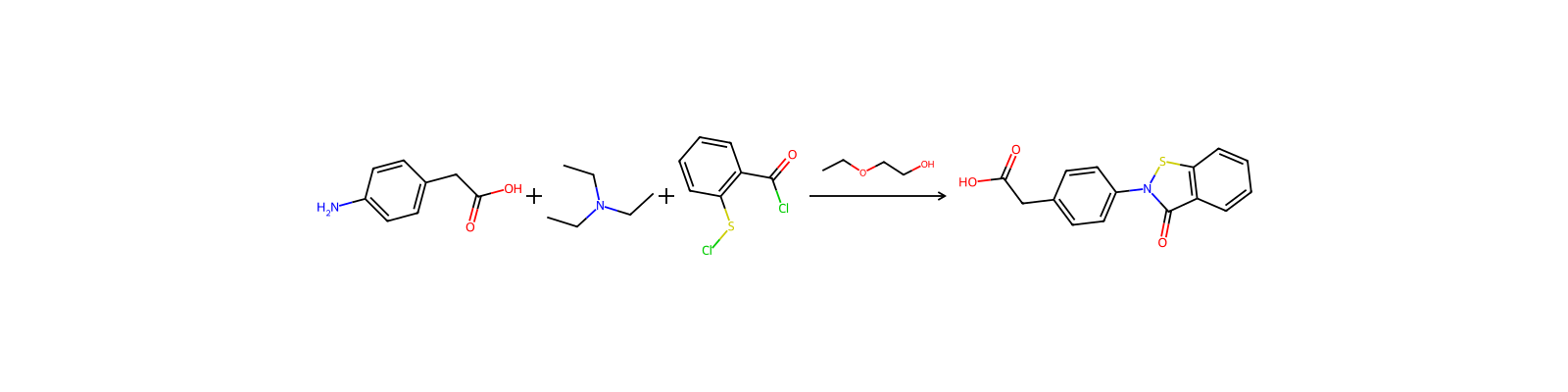
841




Verknüpfte Notizen
Wird geladen…