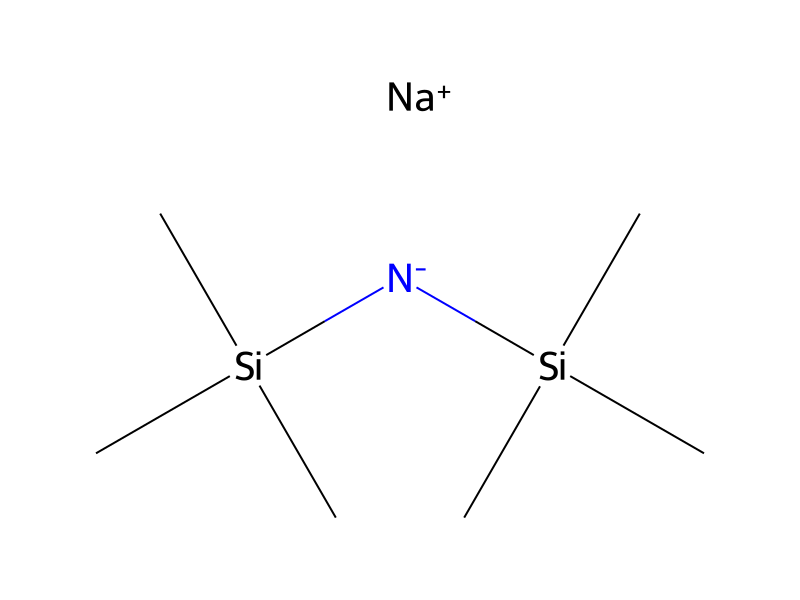
[Br:1][CH:2]1[CH2:8][CH:7]([CH:9]2[CH2:14][CH2:13][CH2:12][CH2:11][CH2:10]2)[C:6]2[CH:15]=[CH:16][C:17]([CH3:19])=[CH:18][C:5]=2[NH:4][C:3]1=[O:20].C[Si]([N-][Si](C)(C)C)(C)C.[Na+].C([CH:35](I)[C:36]([NH2:38])=[O:37])(C)(C)C.Cl>O1CCCC1.CS(C)=O>[C:6]([NH:38][C:36](=[O:37])[CH2:35][N:4]1[C:5]2[CH:18]=[C:17]([CH3:19])[CH:16]=[CH:15][C:6]=2[CH:7]([CH:9]2[CH2:10][CH2:11][CH2:12][CH2:13][CH2:14]2)[CH2:8][CH:2]([Br:1])[C:3]1=[O:20])([CH3:15])([CH3:7])[CH3:5]To a 125 mL round-bottomed flask equipped with nitrogen inlet were added 4.7 grams (13.97 mmol) 3-bromo-5-cyclohexyl-8-methyl-2,3,4,5-tetrahydro-1H-(1)benzazepin-2-one and 70 mL dry tetrahydrofuran. The solution was cooled to -78° C., and 16.8 mL (16.76 mmol) of a 1N solution of sodium bistrimethylsilylamide in tetrahydrofuran was added, followed by a solution of 4.04 grams (16.76 mmol) of t-butyl iodoacetamide in 35 mL dry tetrahydrofuran dropwise over 15 minutes. The reaction was stirred for 10 minutes, then warmed, 35 mL dry dimethylsulfoxide added, and the reaction stirred at room temperature for 14 hours. It was then poured into 1N hydrochloric acid, extracted into ethyl acetate, and the organic layer washed with water, saturated aqueous sodium bisulfite solution, brine, dried, and evaporated. The residue was chromatographed on silica gel with hexane/ethyl acetate to afford the two diastereomeric products, the less polar isomer, M.P. 183°-186° C., 2.16 g, 34% yield, and the more polar isomer, M.P. 206.5°-207.5° C., 3.16 g. 50% yield.