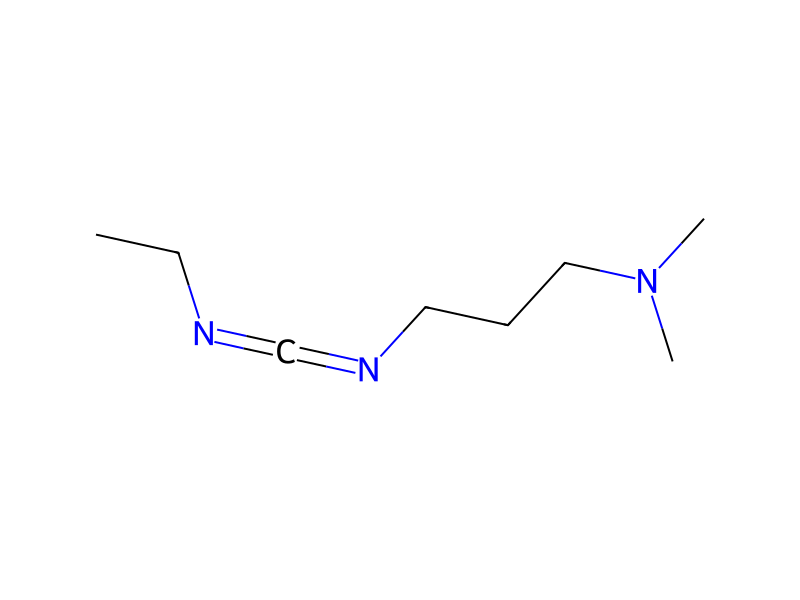
Cl.Cl.[C:3]([C:7]1[CH:12]=[CH:11][CH:10]=[CH:9][C:8]=1[N:13]1[CH2:18][CH2:17][NH:16][CH2:15][CH2:14]1)([CH3:6])([CH3:5])[CH3:4].[NH:19]1[C@@H:23]([C:24](O)=[O:25])[CH2:22][CH2:21][C:20]1=[O:27].C(N(CC)CC)C.CCN=C=NCCCN(C)C.C1C=CC2N(O)N=NC=2C=1>C(#N)C>[C:3]([C:7]1[CH:12]=[CH:11][CH:10]=[CH:9][C:8]=1[N:13]1[CH2:18][CH2:17][N:16]([C:24]([C@@H:23]2[NH:19][C:20](=[O:27])[CH2:21][CH2:22]2)=[O:25])[CH2:15][CH2:14]1)([CH3:6])([CH3:4])[CH3:5]A mixture of 1-(2-tert-butylphenyl)piperazine dihydrochloride obtained in Reference Example 1 (0.30 g, 1.03 mmol), (R)-(+)-2-pyrrolidone-5-carboxylic acid (0.15 g, 1.13 mmol), triethylamine (0.23 g, 2.26 mmol), EDCI (0.22 g, 1.13 mmol) and HOBt (0.17 g, 1.13 mmol) in acetonitrile (10 mL) was stirred at room temperature for 16 h. The reaction mixture was concentrated under reduced pressure and the resulting residue was partitioned between ethyl acetate and 10% sodium hydrogen carbonate solution. The organic layer was washed with brine, dried over anhydrous magnesium sulfate, filtered and concentrated under reduced pressure. The resulting light pink solid was triturated with hexane to afford the title compound (0.32 g, 94%) as a light pink solid.