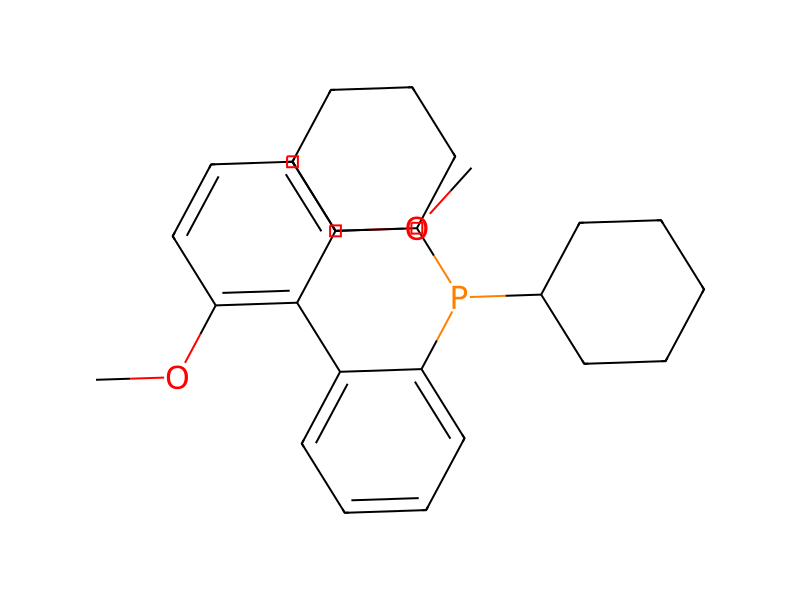
Br[C:2]1[C:8]([CH3:9])=[CH:7][C:5]([NH2:6])=[C:4]([CH3:10])[CH:3]=1.[N:11]1[CH:16]=[CH:15][CH:14]=[C:13](B(O)O)[CH:12]=1.C1(P(C2CCCCC2)C2C=CC=CC=2C2C(OC)=CC=CC=2OC)CCCCC1.C([O-])([O-])=O.[Na+].[Na+]>CCCCO.C1C=CC(/C=C/C(/C=C/C2C=CC=CC=2)=O)=CC=1.C1C=CC(/C=C/C(/C=C/C2C=CC=CC=2)=O)=CC=1.C1C=CC(/C=C/C(/C=C/C2C=CC=CC=2)=O)=CC=1.[Pd].[Pd]>[CH3:10][C:4]1[CH:3]=[C:2]([C:13]2[CH:12]=[N:11][CH:16]=[CH:15][CH:14]=2)[C:8]([CH3:9])=[CH:7][C:5]=1[NH2:6]A suspension of 4-bromo-2,5-dimethylaniline (4.00 g, 20 mmol), pyridin-3-ylboronic acid (2.70 g, 11 mmol), Pd2(dba)3 (0.55 g, 0.6 mmol), 2-dicyclohexylphosphino-2′,6′-dimethoxybiphenyl (0.98 g, 1.2 mmol) and Na2CO3 (10.6 g, 100 mmol) in n-BuOH (50 mL) was degassed by a stream of argon gas for 15 min. The reaction flask was sealed and placed in a pre-heated oil bath (115° C.). After stirring overnight, the reaction was cooled and filtered. The filter cake was washed with DCM and the filtrate was concentrated in vacuo. The resulting residue was dissolved in EtOAc (150 mL). EtOAC was sequentially washed with water (20 mL), brine (20 mL), dried over Na2SO4 and evaporated. The crude product was purified by silica chromatography (0-50% EtOAC in hexanes gradient) to give 2,5-dimethyl-4-(pyridin-3-yl)aniline as a yellow solid; ESMS m/z 199.1 (M+H+).