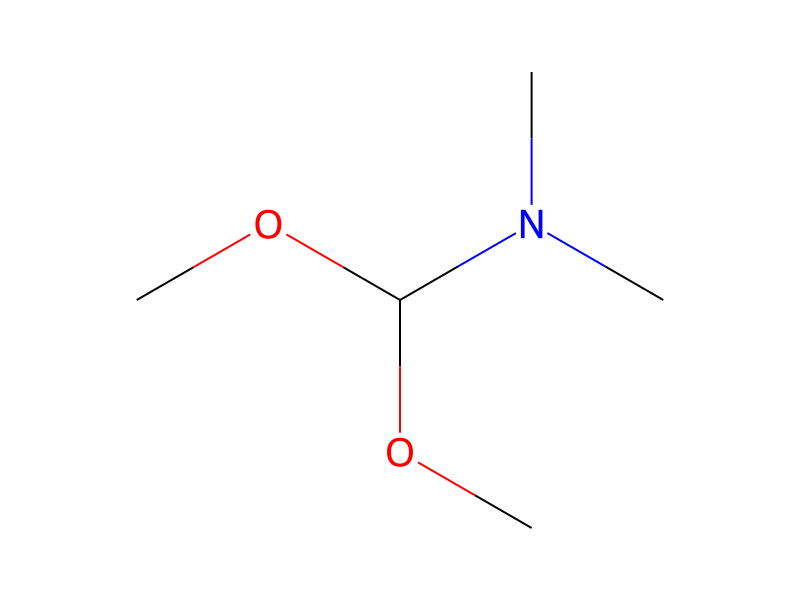
[C:1]([C:4]1[N:5]=[C:6]([C:16]2[C:21]([CH3:22])=[CH:20][N:19]=[C:18]([NH:23][C:24](=[O:26])[CH3:25])[CH:17]=2)[O:7][C:8]=1[C:9]1[CH:14]=[CH:13][CH:12]=[CH:11][C:10]=1[Cl:15])(=O)[CH3:2].C[N:28]([CH:30](OC)OC)C.O.[NH2:36]N>C1(C)C=CC=CC=1>[Cl:15][C:10]1[CH:11]=[CH:12][CH:13]=[CH:14][C:9]=1[C:8]1[O:7][C:6]([C:16]2[C:21]([CH3:22])=[CH:20][N:19]=[C:18]([NH:23][C:24](=[O:26])[CH3:25])[CH:17]=2)=[N:5][C:4]=1[C:1]1[CH:2]=[CH:30][NH:28][N:36]=1A solution of N-{4-[4-acetyl-5-(2-chlorophenyl)-1,3-oxazol-2-yl]-5-methylpyridin-2-yl}acetamide (0.12 g, 0.24 mmol) and DMF-DMA (0.84 mL, 0.63 mmol) in toluene (0.5 mL) was allowed to stir at 100° C. for 5 days, during which time several additional portions of DMF-DMA were added. The reaction mixture was concentrated and the residue was redissolved in AcOH (2 mL). Hydrazine hydrate (0.13 mL, 2.63 mmol) was added and the reaction mixture was allowed to stir at 100° C. for 4 days. The reaction mixture was concentrated and the residue was purified by column chromatography to give N-{4-[5-(2-chlorophenyl)-4-(1H-pyrazol-3-yl)-1,3-oxazol-2-yl]-5-methylpyridin-2-yl}acetamide (Compound I-30) (0.34 g, 35%). LCMS (FA): m/z=394 (M+H).